
A Historic Journey to the Moon and Back
British spelling.
On May 25, 1961, American President John F. Kennedy announced the ambitious goal of sending men safely to the moon and back. He said it would be achieved in less than ten years, but sadly, he was not there to see it happen within his estimated time scale.
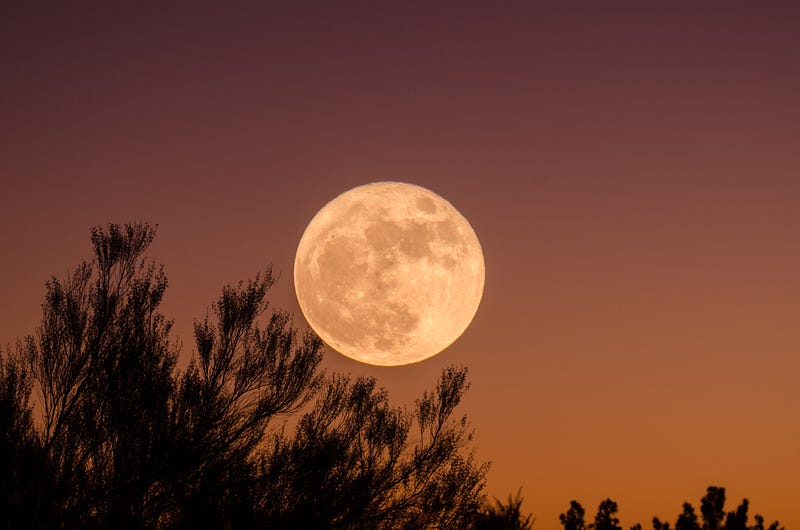
I remember driving home one evening in July 1969, parking my car, and looking up at the moon. It seemed so bright that night, I was amazed that two men had landed safely, left their spacecraft, and were walking on the moon’s surface.
I felt so proud of humanity and so privileged to have been born at the right time to witness and understand that great event.
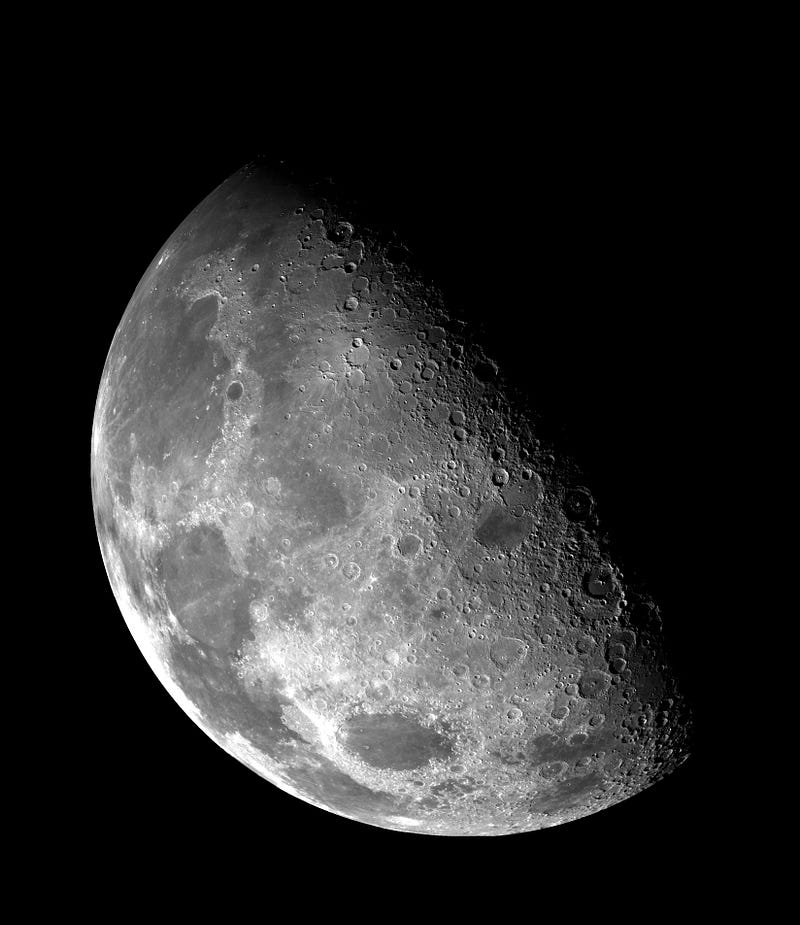
Apollo 11 was the first spacecraft to take men to the Moon; it arrived there on July 20, 1969.
Three men made that amazing journey. Michael Collins flew the command module Columbia; he stayed up there orbiting the moon while Neil Armstrong and Buzz Aldrin made their way to the surface in the lunar module Eagle.
It was a very long day for Michael; his biggest fear was the real possibility of going home alone.
A huge number of things could have gone wrong with the first moon landing, from the launch, the journey to the moon, landing on the moon, and the return to Earth.
In the event of a disaster with two men stranded on the moon, the American president at the time, Richard Nixon, had a speech prepared, but thankfully he never had to read it.
This is what he would have said.
“Fate has ordained that the men who went to the Moon to explore in peace will stay on the Moon to rest in peace. These brave men, Neil Armstrong and Edwin Aldrin, know that there is no hope for their recovery. But they also know that there is hope for mankind in their sacrifice. These two men are laying down their lives in mankind’s most noble goal: the search for truth and understanding.
They will be mourned by their family and friends; they will be mourned by their nation; they will be mourned by the people of the world; they will be mourned by a Mother Earth that dared send two of her sons into the unknown. In their exploration, they stirred the people of the world to feel as one; in their sacrifice, they bind more tightly the brotherhood of man.
In ancient days, men looked at the stars and saw their heroes in the constellations. In modern times, we do much the same, but our heroes are epic men of flesh and blood. Others will follow, and surely find their way home. Man’s search will not be denied. But these men were the first, and they will remain the foremost in our hearts.
For every human being that looks up at the moon in the nights to come will know that there is some corner of another world that is forever mankind”
The end
You may find some of my easy-to-understand stories about the universe and life interesting and educational. Enjoy


