
An Introduction To A Fictional Space Journey
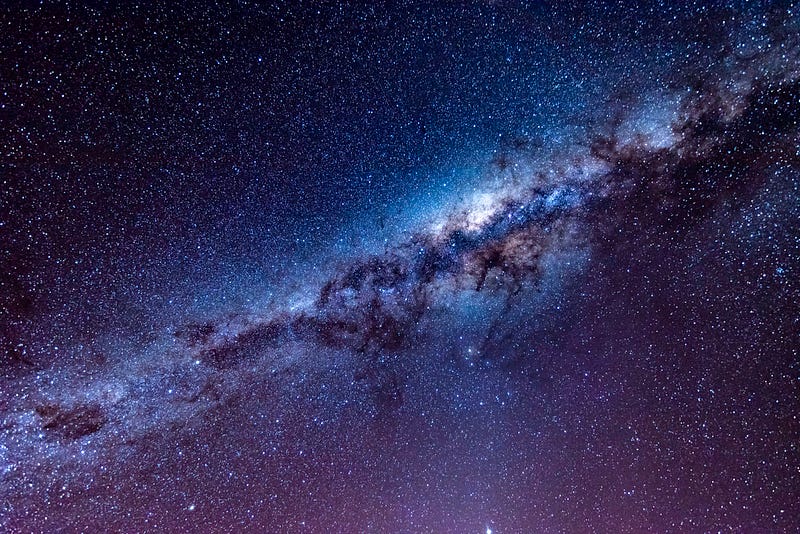
I have named my story “Our Cosmic Journey.” Please join me onboard the fictional spacecraft Celer, which will travel back to where the universe was created 13.8 billion years ago.
By the time we arrive at our final destination, you should have gained a far better understanding of what lies out there in that vast, mind-boggling area we call the universe.
I have read many books about the universe and life, but sometimes they can be too scientific in detail for many of us who are not familiar with astronomy or physics.
If your knowledge of astronomy is above average, then this story will probably not be suitable for you. For everyone else, this story should give you a quick understanding of how the universe has evolved from its birth right up to the present day.
The fictional journey back to where everything began has been used as a help in understanding how big and ancient the universe really is. On our long flight and between the different waypoints, I will describe many objects that have evolved over that vast time.
At certain periods on our journey, I will look back to the Earth and the Sun and try to imagine what could be happening back home. Some of this information will be what scientists are predicting will happen, and some will be speculative, but one thing is for sure: many important changes will take place in the passing of millions or billions of years into the future of the Earth, the Sun, and the Universe.
Anything that has mass could never reach the speed of light; the vast amount of energy needed would be impossible to achieve; and a human lifespan would restrict anyone going on a long journey through space.
Therefore, our epic journey to the far reaches of the universe can only be carried out in our imagination. I hope that you can put to the back of your mind the countless reasons why journeying to distant places in space would be impossible to achieve.
The information contained will be, to the best of my knowledge, factual. Even our next-door neighbour Mars has not been visited yet by man or woman, which shows you how difficult it will be for humans to travel for months or years to faraway places in space.
I doubt very much if the human race will ever be able to leave our local area in space.
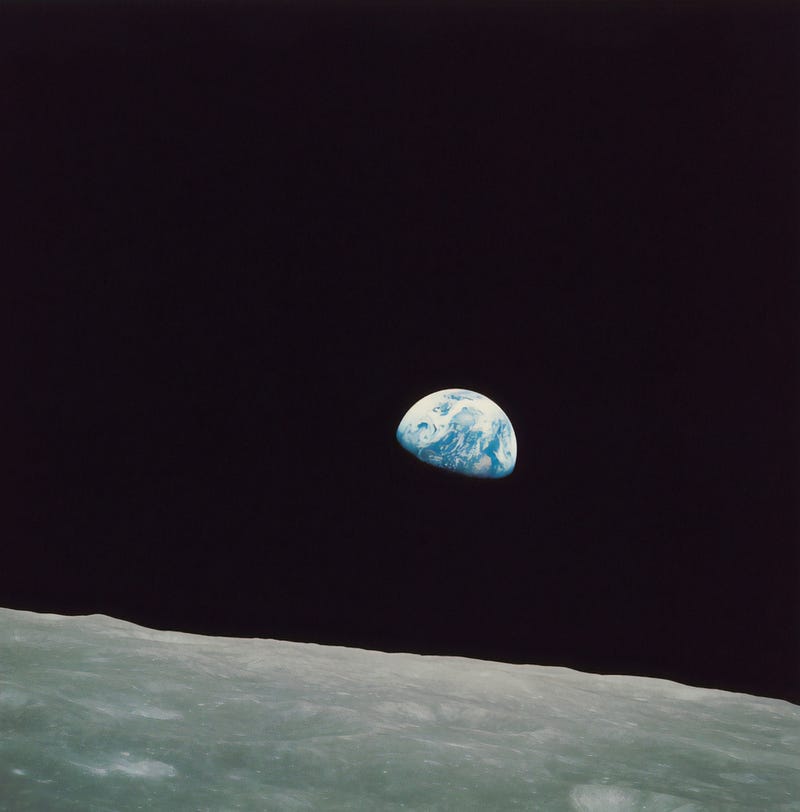
Rather than copying the name of a real spacecraft, I decided to name the fictional spacecraft Celer, Latin for fast.
For us to travel to the farthest reaches of the observable universe, the fictional spacecraft Celer will need to accelerate to the speed of light, which is the maximum speed possible in the universe. That speed is almost 300 thousand kilometres per second, 18 million kilometres per minute, and a staggering 1,080 million kilometres per hour, but even at that speed, it is going to take a very long time to get back to where the universe started.
At the beginning of our journey, kilometres will be used as a measure of distance, but as we travel further out into space, they will have little meaning.
If you think this story might be of interest to you, then please follow the link. My story is published on Medium and is in 16 short parts.


