avatarLee G. Hornbrook

Free AI web copilot to create summaries, insights and extended knowledge, download it at here

2184

Abstract

re</h1><p id="a92d">Many writers produce writing advice books: Stephen King’s <i>On Writing</i> and Anne Lamott’s <i>Bird by Bird</i>, books of that ilk, successful writers sharing how they do what they do.</p><p id="50d9">McCann takes things a step further. He borrows a writer’s philosophical tradition to inspire his readers, his students. He sets himself up as the master teacher providing mystical insight and inspiration to his pupils, all of us. Reading McCann is always a lesson in how to do great things with language.</p><p id="5f88"><i>Letters to a Young Writer</i> takes its form from the great poet Ranier Maria Rilke, whose own <i>Letters to a Young Poet</i>, 10 letters of advice to a budding writer, has become something of a philosophical classic in writing instruction. McCann’s book should be thought of in the same way, except for a more modern audience.</p><p id="74dd">In the form of short, lyrical advice letters, McCann’s book offers inspiring introspection into the writer’s life. So many young writers want to be told what to do, but that’s just no way to learn writing.</p><p id="3568">With chapter titles like “There Are No Rules” and “”Don’t Write What You Know,” McCann’s book flouts the conventions of most advice-giving books. That’s its strength and its charm. You won’t find easy answers here.</p><p id="e0b3">Other chapters include “How Old Is The Young Writer?” (the answer — it doesn’t matter) and “Don’t Be A Dick.” How can you not like writing advice from a National Book Award winner like that?</p><p id="cd04">He writes about reading, about agents, about editors, about all the things that young writers worry about when they haven’t even put pen to paper for the first time, the things I call the mythic dream about writing.</p><p id="a424">The book is small, just slightly larger than a mass market paperback, and the chapters are short, 2 to 3 pages of easy reading, loose text. The pages number 163, but you can definitely read this book in a couple of hours or less. As you are thinking of that next chapter, that next paragraph, that next sentence to write, rather than stare at the ceiling or reach for your cell phone, you can slip ins

Options

ide and read a few chapters at a time to keep yourself inspired.</p><p id="3b63">If you are looking for inspiration to keep you writing, Colum McCann’s <i>Letters to a Young Writer</i> is your ticket to standing at the top of a mountain and taking in the enormity of beauty in our world. From that vantage point, you can create your own worlds.</p><p id="2848"><b>Lee G. Hornbrook</b> taught college English for 25 years and is the editor of <a href="https://medium.com/thewritingprof"><i>The Writing Prof</i></a><i> </i>and has finished his memoir. <a href="https://leehornbrook.ck.page/ca214448a3">Sign up for his free 5-day course on The Writing Process</a>.</p><p id="f6c6">If you would like to support my work, you can buy me a cup of coffee or contribute to me monthly at <a href="https://ko-fi.com/leehornbrookwriter">my Ko-fi page</a>.</p><div id="47aa" class="link-block"> <a href="https://leehornbrook.medium.com/subscribe"> <div> <div> <h2>Get an email whenever Lee G. Hornbrook publishes.</h2> <div><h3>Get an email whenever Lee G. Hornbrook publishes. By signing up, you will create a Medium account if you don't already…</h3></div> <div><p>leehornbrook.medium.com</p></div> </div> <div> <div style="background-image: url(https://miro.readmedium.com/v2/resize:fit:320/0*2EmdJZk0W0W-_i9S)"></div> </div> </div> </a> </div><div id="e4bd" class="link-block"> <a href="https://leehornbrook.medium.com/membership"> <div> <div> <h2>Join Medium with my referral link - Lee G. Hornbrook</h2> <div><h3>As a Medium member, a portion of your membership fee goes to writers you read, and you get full access to every story…</h3></div> <div><p>leehornbrook.medium.com</p></div> </div> <div> <div style="background-image: url(https://miro.readmedium.com/v2/resize:fit:320/0*hzE-4VFUuRkszekN)"></div> </div> </div> </a> </div></article></body>

An Inspiring Book About Writing: Letters to a Young Writer

Inspirational Gems by Colum McCann, National Book Award Winner
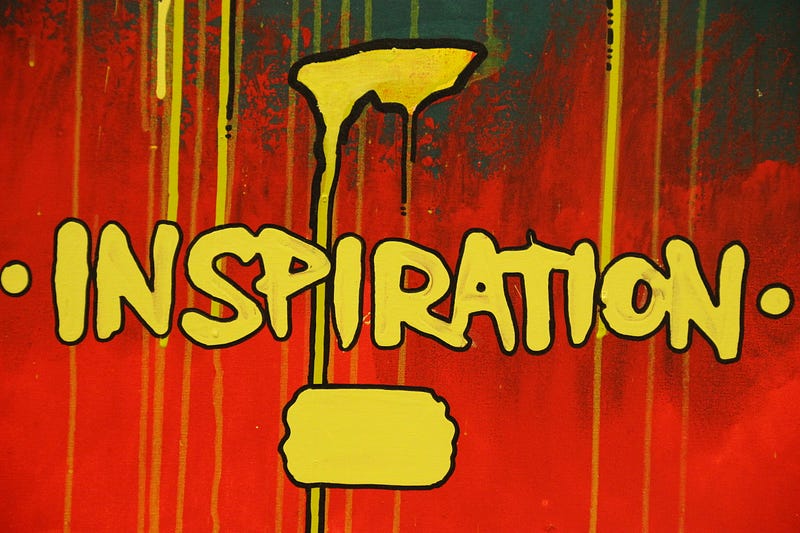
Photo by Rainer Bleek on Unsplash

What inspires you? What touches the passion inside you? What brings out your creative side? What makes you want to create art?

For me, it’s good art, good writing, good movies, good photography. Generosity. Selflessness, Giving. Hope.

It’s a splash of color in a black and white world. It’s the mist shroud on a morning mountain sunrise. It’s the stillness of the ocean in the doldrums, the water smooth as glass. It’s a beautiful melody with a minor note of sadness in it.

A Small Book with Big Ideas for the Would-Be Writer

For me, Letters to a Young Writer is a small book with big ideas. If you want to be a writer, if you fancy yourself a writer, this is a must-have book.

Of the many excellent writing books in the world, McCann’s is often overlooked. It should be within easy reach on any writer’s bookshelf.

Colum McCann won the National Book Award for Let the Great World Spin, an extraordinary book, interweaving tales of several characters in New York, all of whom looked up one day and saw a tightrope walker on a wire between the World Trade Center towers. The book concludes after 9/11, when the towers are gone, and what happens to each of those characters. It’s the first truly great post-9/11 novel.

He’s a great writer and teacher. He teaches creative writing in the Hunter College MFA program in New York City. In his introduction, he says that the advice he gives his MFA students on the first day of class is “I can teach you nothing. Now that you know this, go learn.”

The Writer’s Advice Book Genre

Many writers produce writing advice books: Stephen King’s On Writing and Anne Lamott’s Bird by Bird, books of that ilk, successful writers sharing how they do what they do.

McCann takes things a step further. He borrows a writer’s philosophical tradition to inspire his readers, his students. He sets himself up as the master teacher providing mystical insight and inspiration to his pupils, all of us. Reading McCann is always a lesson in how to do great things with language.

Letters to a Young Writer takes its form from the great poet Ranier Maria Rilke, whose own Letters to a Young Poet, 10 letters of advice to a budding writer, has become something of a philosophical classic in writing instruction. McCann’s book should be thought of in the same way, except for a more modern audience.

In the form of short, lyrical advice letters, McCann’s book offers inspiring introspection into the writer’s life. So many young writers want to be told what to do, but that’s just no way to learn writing.

With chapter titles like “There Are No Rules” and “”Don’t Write What You Know,” McCann’s book flouts the conventions of most advice-giving books. That’s its strength and its charm. You won’t find easy answers here.

Other chapters include “How Old Is The Young Writer?” (the answer — it doesn’t matter) and “Don’t Be A Dick.” How can you not like writing advice from a National Book Award winner like that?

He writes about reading, about agents, about editors, about all the things that young writers worry about when they haven’t even put pen to paper for the first time, the things I call the mythic dream about writing.

The book is small, just slightly larger than a mass market paperback, and the chapters are short, 2 to 3 pages of easy reading, loose text. The pages number 163, but you can definitely read this book in a couple of hours or less. As you are thinking of that next chapter, that next paragraph, that next sentence to write, rather than stare at the ceiling or reach for your cell phone, you can slip inside and read a few chapters at a time to keep yourself inspired.

If you are looking for inspiration to keep you writing, Colum McCann’s Letters to a Young Writer is your ticket to standing at the top of a mountain and taking in the enormity of beauty in our world. From that vantage point, you can create your own worlds.

Lee G. Hornbrook taught college English for 25 years and is the editor of The Writing Prof and has finished his memoir. Sign up for his free 5-day course on The Writing Process.

If you would like to support my work, you can buy me a cup of coffee or contribute to me monthly at my Ko-fi page.

Writing
Writing Tips
Writing Advice
Books
Creativity
Recommended from ReadMedium