avatarKristine Harper

Free AI web copilot to create summaries, insights and extended knowledge, download it at here

2352

Abstract

rtunately, though, the weaving community in Tanglad is still thriving. It is definitely a lot smaller than 10 years ago, but it is still there. Most of the weavers however are women above 50 years old (with a few exceptions, for example, a lovely 20-year-old woman named Dewi), which means that unless young women start getting engaged, the weaving tradition will eventually die out.</p><p id="22b3">I asked Ibu Luh what that would take to save the weaving community. And she said that if the demand for slow-, handmade textiles starts to rise the status of being a craftswoman will change too, and that might alter things and encourage young women to stay in the village and keep the tradition alive. Right now, her daughter would rather work in a laundry in Bali than be a weaver.</p><figure id="0c96"><img src="https://cdn-images-1.readmedium.com/v2/resize:fit:800/1*8y_Nrg1h4ndfSpmNsCuoXQ.jpeg"><figcaption>The complex Rangrang pattern is traditional to Nusa Penida. Photo by author.</figcaption></figure><p id="968b">Nusa Penida is home to quite a few indigenous weaving techniques and patterns that are unique to the island. The Rangrang pattern is one of them (photo above), which with its characteristic zigzag look creates an intriguing nearly three-dimensional sensation.</p><p id="3c86">Cepuk is another one (photo below): a sacred cloth used for ceremonial needs. Its main function is to protect the wearer from elements or evil influences. Cepuk is also believed to be a magical cloth for treatment.</p><figure id="d387"><img src="https://cdn-images-1.readmedium.com/v2/resize:fit:800/1*-ld8dvHVrOLa8obeU-kang.jpeg"><figcaption>Cepuk weaving (synthetic dye). Photo by author.</figcaption></figure><p id="2424">The usage of natural dye is something my colleagues and I discussed a lot with the weavers in Tanglad. They all prefer working with natural dye — that they create from the plants that grow wildly around the village (mahagony, teak, coconut, turmeric, redwood), but they experience an increased demand for textiles dyed with more vivid synthetic dyes. Maybe due to fashion, maybe due to the fact that these textiles are generally cheaper as they are not as time-consuming to make.</p><p id="3318">Another issue is water. Nusa Penida is very dry, and especially during the dry season (as it is at the moment), the water shortage is

Options

noticeable. And creating natural dye is very water-demanding.</p><p id="e5b4">However, the weavers prefer working with natural dyes. They have all experienced uncomfortable rashes from the synthetic dyes, and furthermore, traditionally cloth dyes from plants are sacred, due to their innate connection to the earth.</p><figure id="ed35"><img src="https://cdn-images-1.readmedium.com/v2/resize:fit:800/1*a-MPh_lakqy0w6j7PM83ug.jpeg"><figcaption>Traditional backstrap weaving. This technique is called saudan and the thread is dyed with wild plants. Photo by author.</figcaption></figure><p id="01c0">After spending two days with the incredible weavers, we felt the need to immerse ourselves in the intensely beautiful, dramatic nature of the island.</p><p id="522d">We stayed for two nights in a humble bungalow at Crystal Bay, which is a small bay with a beautiful sand beach; great for swimming and snorkeling. At night the sun sets here, and the local fishermen serve their daily catch grilled on wood fire barbeques.</p><figure id="30d4"><img src="https://cdn-images-1.readmedium.com/v2/resize:fit:800/1*VXjshEtoAmGQzzbFpdBKhA.jpeg"><figcaption>Sunset at Crystal Bay. Photo by author.</figcaption></figure><p id="f4f7">We also explored a few of the dramatic beaches that the island is known for, the most stunning being the iconic Kelingking Beach (see photo at the top of the article and below).</p><p id="3ff8">These incredible vistas come pretty close to what I would describe as a <a href="https://readmedium.com/the-sublime-the-soul-trembling-beauty-experience-6ac064501b58">sublime aesthetic experience</a>!</p><p id="0403">You can hike all the way down to the white sand beach at Kelingking, but be warned; it is a steep, hot hike, and the way back up is even more demanding.</p><figure id="af62"><img src="https://cdn-images-1.readmedium.com/v2/resize:fit:800/1*JHZLRAwuf5wnfJD08DCFQw.jpeg"><figcaption>Kelingking Beach. Photo by author.</figcaption></figure><p id="4e69">All in all, Nusa Penida is definitely worth a visit! And, I can only recommend combining the trip there with the even smaller island Nusa Lembongan, which we didn’t have time to do this time around.</p><p id="253f">Read more about my crafts-project at <a href="https://www.instagram.com/southeast_saga/">https://www.instagram.com/southeast_saga/</a></p></article></body>

An insider guide to Nusa Penida

Bali’s breathtaking little sister
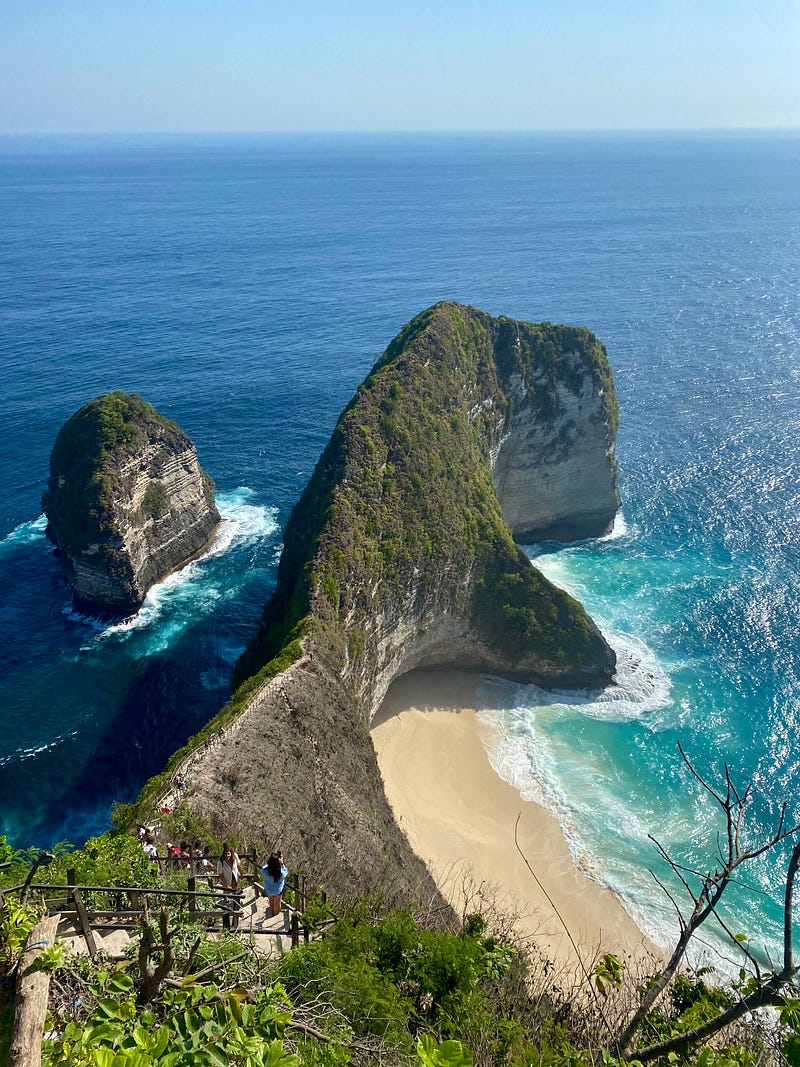
The iconic t-rex cliff at Kelingking Beach. Photo by author.

I have just returned from a short trip to Nusa Penida. I primarily went to the island to do research for a book chapter I am writing together with two colleagues on women entrepreneurs and endangered crafts traditions.

But you cannot visit this lush, mountainous island without exploring some of the iconic beaches and enjoying the sublime sunsets.

You can reach Nusa Penida by fast boat from Bali (Sanur harbour) in 45 minutes. When you arrive, you will immediately feel the slow pace of the island (despite it being a popular tourist destination). My colleagues and I had to take a coffee break on our way to the weaver village we were visiting — a break that turned into a detour because a Hindu god was traveling from one temple to another (in the shape of a statue) and the road was closed off for a couple of hours.

Nothing can be planned, and that is part of the beauty of the tiny island.
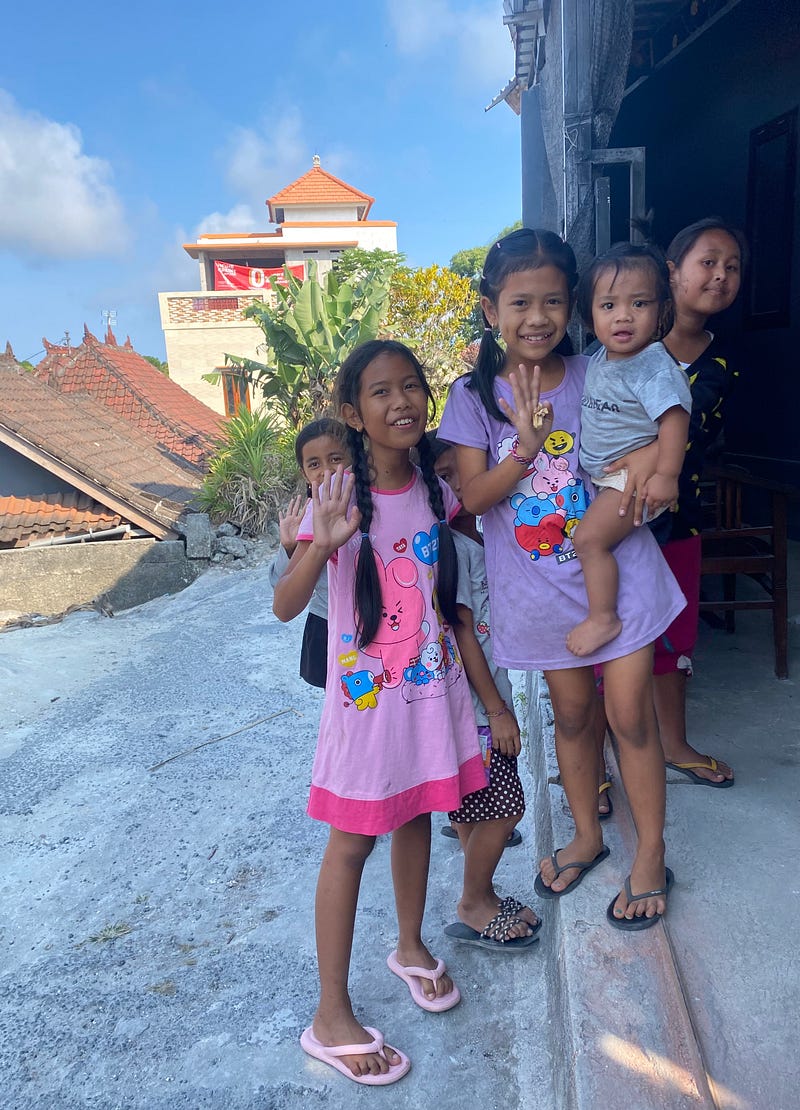
Sweet girls greeting us when we arrived at Tanglad village. Photo by author.

Our primary destination was Tanglad village in the remote mountains of the eastern part of the island. Winding roads led us there, with breathtaking views of valleys covered in teak trees and coconut palms.

When we arrived we were welcomed by the head of the village weavers, Ibu Luh, who served us a spicy local dish and a very sweet cup of coffee.

The village is known for its weavers, who are masters at creating the traditional incredibly complex patterns that are unique to Nusa Penida. But, as in so many other craft regions of the world, traditional crafts are dying out here. As Ibu Luh explained:

“Young people would rather work in the tourist industry or in factories. The slowness of the weaving process doesn’t appeal to them.”

Fortunately, though, the weaving community in Tanglad is still thriving. It is definitely a lot smaller than 10 years ago, but it is still there. Most of the weavers however are women above 50 years old (with a few exceptions, for example, a lovely 20-year-old woman named Dewi), which means that unless young women start getting engaged, the weaving tradition will eventually die out.

I asked Ibu Luh what that would take to save the weaving community. And she said that if the demand for slow-, handmade textiles starts to rise the status of being a craftswoman will change too, and that might alter things and encourage young women to stay in the village and keep the tradition alive. Right now, her daughter would rather work in a laundry in Bali than be a weaver.
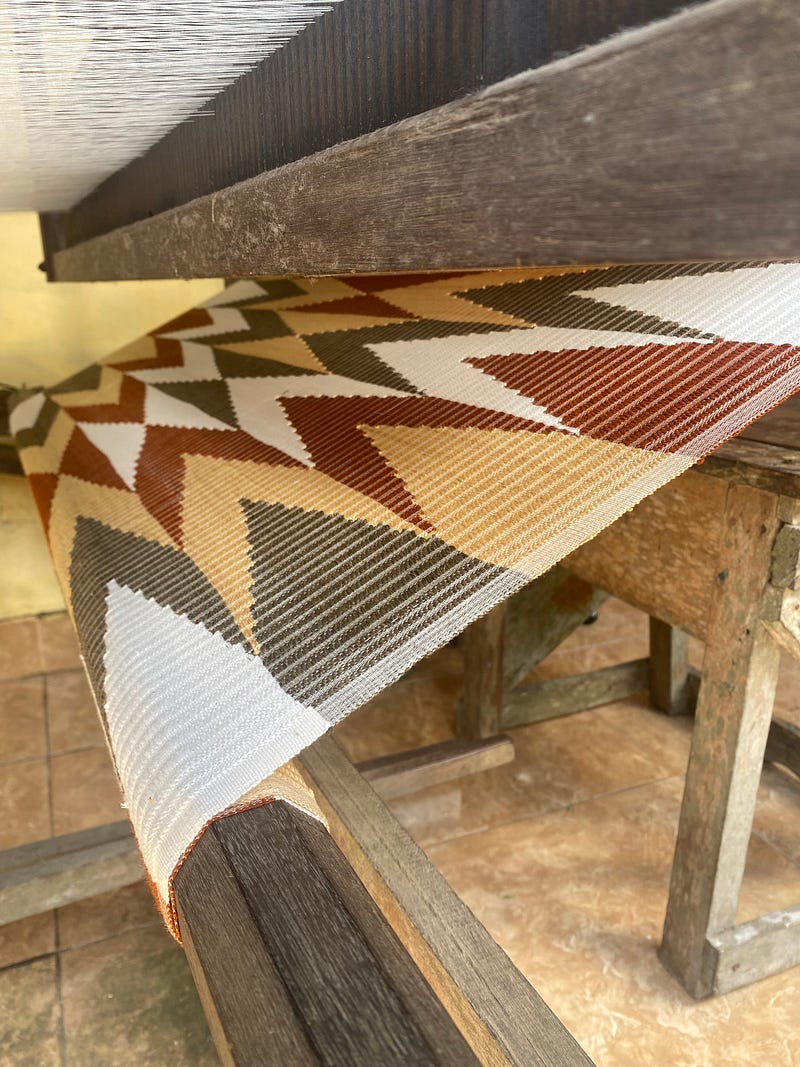
The complex Rangrang pattern is traditional to Nusa Penida. Photo by author.

Nusa Penida is home to quite a few indigenous weaving techniques and patterns that are unique to the island. The Rangrang pattern is one of them (photo above), which with its characteristic zigzag look creates an intriguing nearly three-dimensional sensation.

Cepuk is another one (photo below): a sacred cloth used for ceremonial needs. Its main function is to protect the wearer from elements or evil influences. Cepuk is also believed to be a magical cloth for treatment.
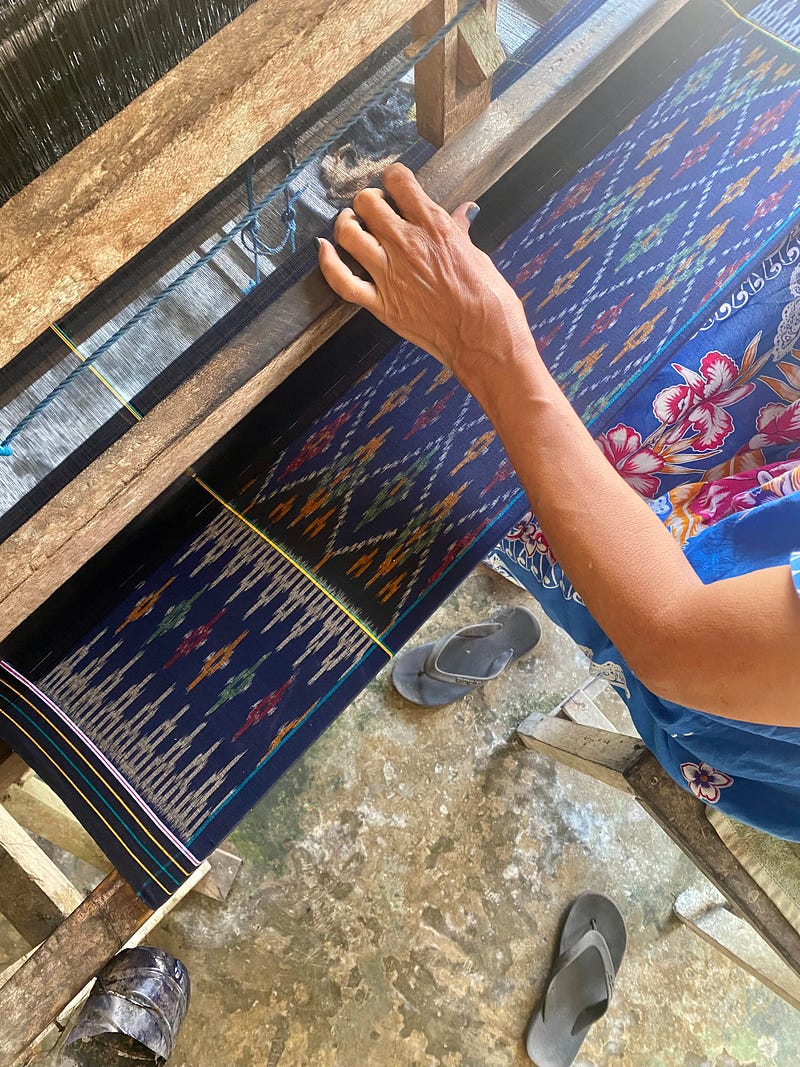
Cepuk weaving (synthetic dye). Photo by author.

The usage of natural dye is something my colleagues and I discussed a lot with the weavers in Tanglad. They all prefer working with natural dye — that they create from the plants that grow wildly around the village (mahagony, teak, coconut, turmeric, redwood), but they experience an increased demand for textiles dyed with more vivid synthetic dyes. Maybe due to fashion, maybe due to the fact that these textiles are generally cheaper as they are not as time-consuming to make.

Another issue is water. Nusa Penida is very dry, and especially during the dry season (as it is at the moment), the water shortage is noticeable. And creating natural dye is very water-demanding.

However, the weavers prefer working with natural dyes. They have all experienced uncomfortable rashes from the synthetic dyes, and furthermore, traditionally cloth dyes from plants are sacred, due to their innate connection to the earth.
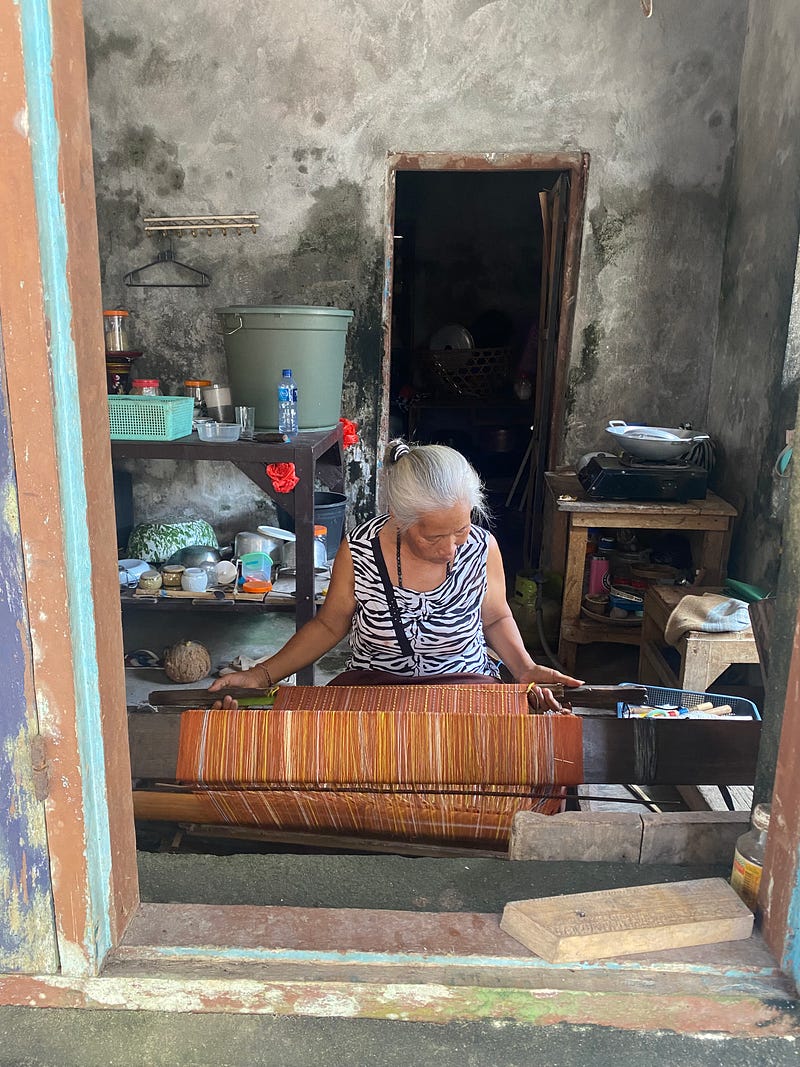
Traditional backstrap weaving. This technique is called saudan and the thread is dyed with wild plants. Photo by author.

After spending two days with the incredible weavers, we felt the need to immerse ourselves in the intensely beautiful, dramatic nature of the island.

We stayed for two nights in a humble bungalow at Crystal Bay, which is a small bay with a beautiful sand beach; great for swimming and snorkeling. At night the sun sets here, and the local fishermen serve their daily catch grilled on wood fire barbeques.
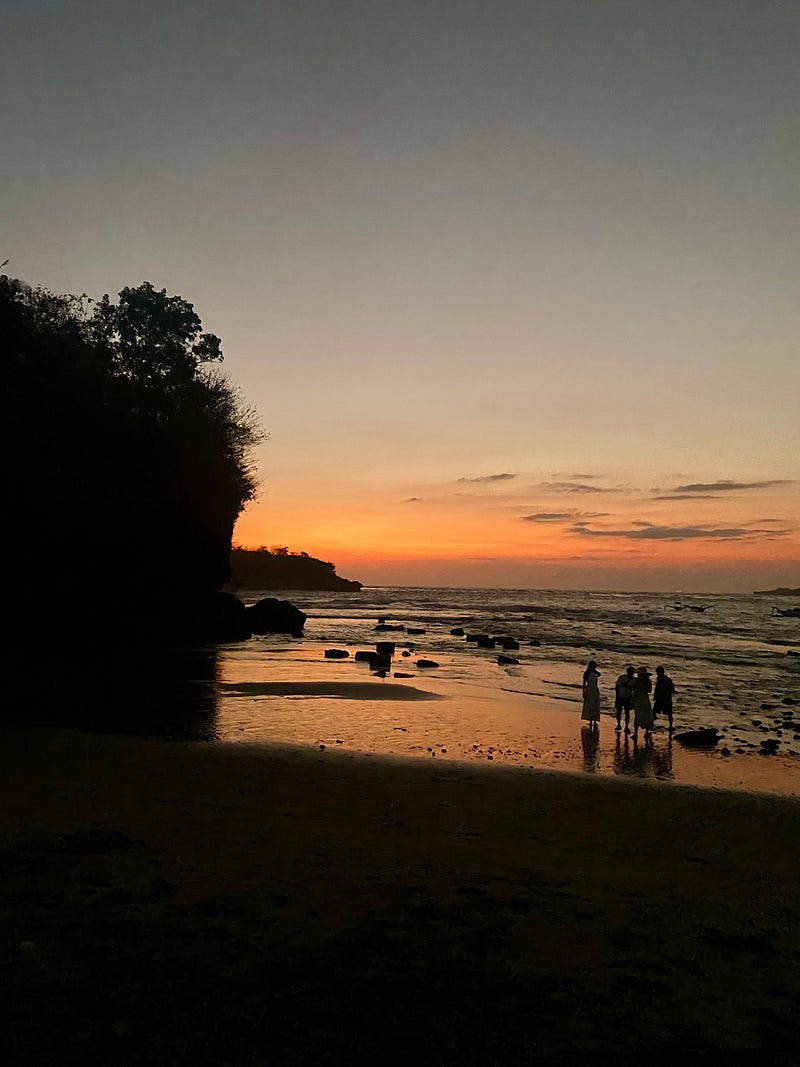
Sunset at Crystal Bay. Photo by author.

We also explored a few of the dramatic beaches that the island is known for, the most stunning being the iconic Kelingking Beach (see photo at the top of the article and below).

These incredible vistas come pretty close to what I would describe as a sublime aesthetic experience!

You can hike all the way down to the white sand beach at Kelingking, but be warned; it is a steep, hot hike, and the way back up is even more demanding.
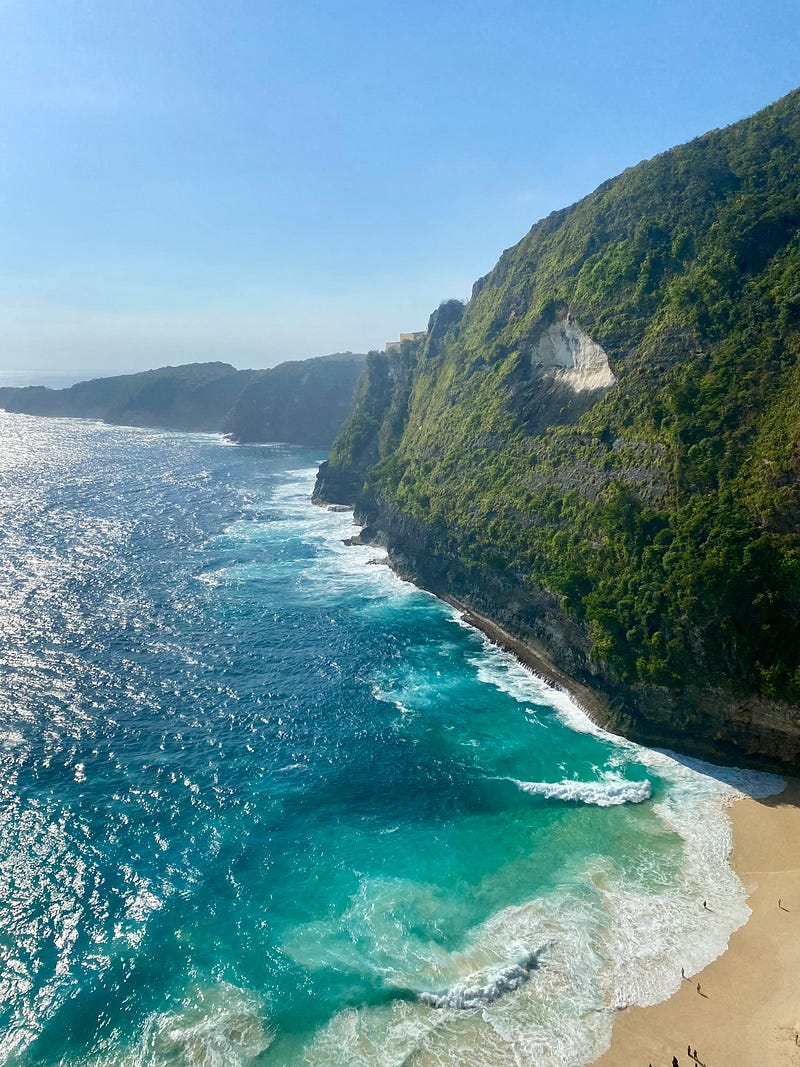
Kelingking Beach. Photo by author.

All in all, Nusa Penida is definitely worth a visit! And, I can only recommend combining the trip there with the even smaller island Nusa Lembongan, which we didn’t have time to do this time around.

Read more about my crafts-project at https://www.instagram.com/southeast_saga/

Travel
Travel Guide
Island
Photography
Craftsmanship
Recommended from ReadMedium