
An Exploration of Lo-fi Hip-hop, Pt II: Garage Rock, Boom Bap and Toonami
More than sound quality and genre, lo-fi hip-hop is a (nostalgic) mood
There’s another “origin” of lo-fi music. Because lo-fi is technically a measure of sound quality, lo-fi can arguably be traced back to the ’60s. In the ’60s, garage rock and punk rock were emerging. These scenes would evolve into ’90s grunge. They’re also considered predecessors of today’s lo-fi sound. The Beach Boys’ albums recorded in the Beach Boys Studio are considered early versions of lo-fi. Located in Brian Wilson’s home, the Beach Boys Studio was originally a private, makeshift studio the band used because it was more convenient than having to book studio time.
These home-recorded albums coincide with the DIY mentality and burgeoning indie scene of the time. This mentality was also shared by garage and punk rock, as producing music became accessible. The ability to record music at home meant artists didn’t need to land record deals or book studio time anymore. Of course, these recordings also had lower-fidelity than those produced in professional studios. But a lack of resources or knowledge should not lump music with low fidelity into the lo-fi genre of today — doing so would be too reductive and simple.
So let’s go back to chillwave being “low-budget” music by “solo acts” with “laptops.” Now, laptops are pretty common. Most students own or have access to one. In the ’70s, home-recording made music production accessible. Today, technology makes music production more accessible.
Platforms like Soundcloud or Bandcamp allow musicians to bypass record labels and directly release their own music. But if a Soundcloud track has low-fidelity due to poor production quality, the song is not necessarily lo-fi hip-hop.
There needs to be an understanding of intent and standard when identifying (lo-fi) music and its origin. Garage and punk rock of the past could arguably qualify as lo-fi, but it depends on why — recognizing lo-fi as a genre versus lo-fi as a sound.
Lo-fi hip-hop blends select qualities of the lo-fi genre and hip-hop genre. That much is obvious. Particularly, many fans of lo-fi hip-hop identify the genre by elements of boom bap. Boom bap refers to the bass and snare drums used to make drum loops. This production of hip-hop was prominent in the ’90s, particularly in East Coast hip-hop. Notable boom bap artists include Nas, Wu-Tang Clan, A Tribe Called Quest, and J Dilla. Some even consider lo-fi hip-hop to be the modernized versions of ’80s and ’90s (boom bap) hip-hop.
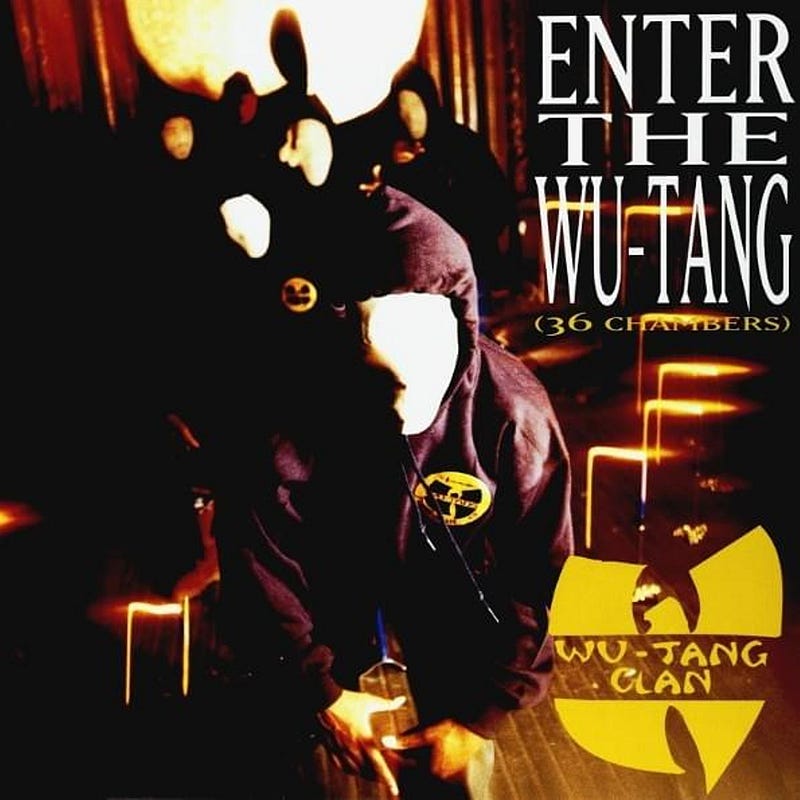
A direct hip-hop link, Wu-Tang Clan’s 1993 debut album, “Enter the Wu-Tang (36 Chambers),” embodies many elements incorporated in lo-fi hip-hop today. RZA’s production style has been variously described as dusty, dirty, grimy, and gritty. These descriptions capture the heavy, raw and lo-fi production of the album.
While it’s no secret the album was produced on a limited budget, lending to some of its “dirty” aesthetic, the lo-fi sound intentionally reflected the group’s gritty and urban reality. On top of that, Wu-Tang Clan’s name was inspired by the 1983 Hong Kong martial arts film, Shaolin and Wu Tang. The group sampled audio clips from the film’s English dub in their debut album. They also sampled Executioners from Shaolin (1976), Five Deadly Venoms (1978), and Ten Tigers from Kwangtung (1981) — on top of clips from their own radio interviews, old soul and funk music.
It’s important to acknowledge that these aspects of hip-hop were already in play decades before YouTube launched live-streaming lo-fi hip-hop channels. Wu-Tang Clan was unprecedented in how they used samples and audio clips. They tremendously influenced hip-hop and arguably helped pave the way for lo-fi hip-hop today.
Like hip-hop, lo-fi hip-hop is built around sampling and repurposing sounds to create new songs.
Most samples comprise of audio clips from old TV shows, movies and, maybe most notably, anime. These samples are then cut and looped throughout the track. Lo-fi hip-hop artists do not usually feature original lyrics over the instrumental. But some do — just check out artists like Lord Apex or Atlas.
Lo-fi is such an umbrella category. There are no clear rules defining the genre. This could be due to its age or how accessible and oversaturated the space for the genre is. With YouTube pushing livestreaming lo-fi hip-hop channels since 2017, lo-fi hip-hop’s popularity has grown and been associated with background beats. This newfound interest in the genre has simultaneously undervalued and pigeon-holed it. Some believe this has ruined it. Some believe it was never a genre. And some believe this has ushered in a new age and audience for lo-fi.
But no matter what lo-fi hip-hop may or may not be, there is a clear consensus that lo-fi hip-hop is a mood. The feelings and emotions invoked by the music are more telling than individual elements. Most commonly, lo-fi hip-hop is associated with nostalgia. While lilting melodies and drifting beats can easily induce feelings of melancholy, nostalgia is a specific sentiment — particularly a sentimentality for the past.
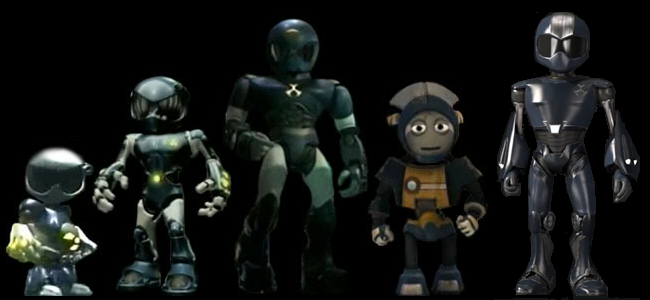
While vaporwave transports listeners to ghostly malls of the ’80s and ’90s, lo-fi hip-hop recalls a more recent past. When the fuzz of lo-fi hip-hop fades, you may recall TOM, the Toonami Operations Module. He hosted the Toonami block on Cartoon Network (currently on Adult Swim).
The theory is that many current lo-fi hip-hop producers and listeners grew up watching Toonami.
Toonami began in 1997 and aired both Western cartoons and anime. It’s even credited with bringing anime to the U.S. mainstream. By sampling clips from anime — whether it be Pikachu’s signature “pika,” a recognizable dub, or a Japanese monologue — lo-fi hip-hop invokes childhood nostalgia, returning listeners to late nights when they lounged around watching anime on CRT television sets.
On the other hand, the overall impression of Toonami was kind of trippy. You’re supposed to be drifting through outer-space in a ship captained by a robot. Atmospheric sounds, sprawling melodies and lo-fi elements were apart of the setting. TOM’s scratchy voice came through his helmet, perfect for lo-fi hip-hop as though altered with equalizer effects and distortion. (Think air traffic control or pilots or astronauts.) Even without anime, Toonami itself encompasses a ’90s vibe and features of lo-fi music.
What really cinches this together is Samurai Champloo (2004), the critically acclaimed anime that aired on Toonami. It neatly ties together key elements of the genre that are otherwise seemingly disparate: anime, hip-hop, jazz, Japanese aesthetics and elements, atmospheric sounds, samplings, nostalgia, downtempo, trip-hop, electronica. Plus, the soundtrack was produced by the legendary godfather of lo-fi, Nujabes.
Samurai Champloo essentially offers a culmination of lo-fi hip-hop aesthetics and associations. Dreamy vocals are paired with hip-hop, jazz and electronica beats, shuffling along with lo-fi production — all as they accompany a melancholic and gritty anime.

We know Wu-Tang was already sampling karate chops in their music — RZA even produced the soundtrack for Afro Samurai. And Biggie was rapping about Street Fighter II and Sega in “Let’s Get It On (Dirty Harry Blend),” while MF Doom was referencing anime in his lyrics. So Samurai Champloo blending anime or Japanese elements with hip-hop was not exactly groundbreaking.
However, it did put a solid face to the name — especially in terms of childhood nostalgia. College students today were generally born between 1997 and 2001, with high schoolers having been born even later. So those listening to lo-fi hip-hop as “study beats” are more likely to associate nostalgia with Toonami and Samurai Champloo than hip-hop of the early ‘90s.
NEXT Part III: From Nujabes and J Dilla to YouTube Livestreams PREVIOUS Part I: From Shoegaze and Dreampop to Vaporwave
EDIT: This piece has been broken into three parts for better readability.


