
Philosophy
An Existential Humanist View of War and Hope
War is a phenomenon that challenges the very existence and dignity of human beings.
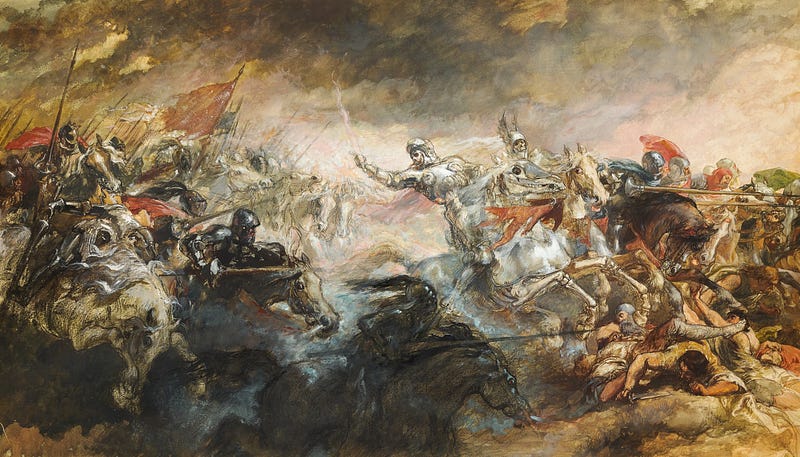
The narrative of human history is fraught with paradoxes, with war and conflict being central elements. Existential humanist philosophy, particularly post-Second World War, grapples with these aspects, seeking to understand and transcend them.
War, a manifestation of human conflict, poses a profound moral and existential crisis. It represents the darker aspects of human freedom—the choice to inflict harm and destruction. From an existential humanist perspective, war is a negation of freedom, not just for those who wage it but more tragically for its victims. It is an extreme exercise of freedom that paradoxically leads to the denial of freedom for many.
In the face of such realities, existential humanism asks: Should we succumb to pessimism? Is the cold floor a symbol of a world that is inherently negative and hostile? The existential response is nuanced.
War exposes the absurdity and meaninglessness of life in a world that is often hostile and indifferent to human values.
How can we cope with such a reality and still find hope and purpose in our lives?
In this essay, I will argue that existential humanism, a philosophical perspective that emphasizes human freedom, responsibility, and creativity, can offer a critical and hopeful outlook on war and its impact on humanity. Existential humanism does not deny the suffering and uncertainty that war brings, but rather recognizes the potential for human growth, compassion, and self-transcendence in the face of adversity.
War and conflict are paradoxical forces that shape human history. The existential humanist philosophy, which developed after the Second World War, tries to comprehend and overcome these forces. This philosophy arose in a world that was healing from the atrocities of war, searching for meaning in a landscape marked by violence and ruin.
According to existential humanism, people have free will and are accountable for their choices and the meaning they create in life. This philosophical view, promoted by Jean-Paul Sartre and Albert Camus, implies that even if life seems absurd, individuals can and should strive to live genuinely, accepting freedom and responsibility.
The philosophy also underscores the importance of love and community. In a world where wars and conflicts rage, the bonds of love and human connection stand as powerful antidotes. They are affirmations of life and freedom, acting as bulwarks against despair. When existential humanists advocate telling loved ones that they are cherished, it’s an act of affirming life and human connection amidst the chaos.
War, the outcome of human disagreement, creates a deep ethical and existential dilemma. It reveals the worst aspects of human autonomy—the decision to cause harm and devastation. From an existential humanist viewpoint, war is a rejection of freedom, not only for those who initiate it, but more sadly for its sufferers. It is an extreme use of freedom that ironically results in the loss of freedom for many.
Existential humanism does not give in to pessimism, even when faced with harsh realities. It recognizes that human existence is fraught with war and suffering, but it also highlights the human potential for positive action and change. It urges us to not be passive and depressed, but to actively create a world that reflects our values.
This philosophy emphasizes the value of love and community. They are the sources of hope and joy in a world plagued by wars and conflicts. They also celebrate life and freedom, and resist despair. Existential humanists urge people to express their love to those who matter to them, as a way of embracing life and human connection in the midst of chaos.
The Morality of War: An Existential Crisis
War, the outcome of human disagreement, creates a deep ethical and existential dilemma. It reveals the worst aspects of human autonomy—the decision to cause harm and devastation. From an existential humanist viewpoint, war is a rejection of freedom, not only for those who initiate it but, more sadly, for its sufferers. It is an extreme use of freedom that ironically results in the loss of freedom for many. Pessimism vs. Optimism: The Human Choice
Existential humanism does not give in to pessimism, even when faced with harsh realities. It recognizes that human existence is fraught with war and suffering, but it also highlights the human potential for positive action and change. It urges us to not be passive and depressed but to actively create a world that reflects our values.
This philosophy emphasizes the value of love and community. They are the sources of hope and joy in a world plagued by wars and conflicts. They also celebrate life and freedom and resist despair. Existential humanists urge people to express their love to those who matter to them as a way of embracing life and human connection in the midst of chaos.
Existential humanism encourages us to look beyond the wars and conflicts that paint a bleak picture of humanity. History reveals a pattern of not only struggles and destruction but also recovery and advancement. The belief that “everything will be alright in the end” is not a passive hope but an active faith in human resilience and the continuous pursuit of meaning and improvement.
The normalization of war through established rules of warfare
The global community has normalized wars to the extent that there are rules of warfare that define what is ‘acceptable’ in war. This may lead some parties to think that war itself is normalized, even when it affects the civilian population. Although this is supposed to be based on humanitarian principles, the reality is that this is still a normalized aspect of warfare.
This is a complex and important subject. Let’s explore how the normalization of war through established rules of warfare can be viewed in the light of existential humanism. Existential humanism, with its emphasis on the unique value and freedom of the individual, provides a critical lens for assessing the normalization of war. The laws of war, intended to protect civilians and regulate the brutality of conflict, can paradoxically contribute to legitimizing the violence and destructiveness inherent in war. This creates a paradox where the attempt to humanize warfare might lead to an acceptance of war itself as an inevitable or even normal phenomenon.
From an existential humanist perspective, this can be interpreted as an attempt to impart meaning to what is fundamentally senseless violence. By introducing rules and conventions, society tries to frame war within an ethical language, which might help to mask the fundamental inhumanity of war.
This conflicts with existential humanism’s emphasis on authenticity and confronting the absurd without illusions. At the same time, existential humanism can recognize the need for rules in war as a lesser evil. In a world where war unfortunately occurs, such rules may be necessary to limit suffering. But this recognition should not be mistaken for an acceptance of war as a normal part of human existence. Rather, it should serve as a starting point for challenging and critically reflecting on the role of war in society.
Furthermore, existential humanism leads to questions about the individual’s role and responsibility in times of war. If war is normalized through rules and conventions, how does this affect an individual’s ability to make ethical choices? In this context, it can be argued that it is necessary to maintain a critical stance and resistance to the normalization of war, even within the framework of the laws of war. In conclusion, existential humanism not only challenges the normalization of war but also invites deeper reflection on human nature and the structures of society. It demands that we look beyond the letter of the law to its spirit, always remembering the fundamental humanist principle of the infinite value of each person.
Existential humanism emerged from the horrors of war as a philosophical approach that balances the acknowledgment of life’s absurdities and sufferings with the affirmation of freedom, responsibility, and the power of human agency. It urges us to adopt optimism, not as a naive denial of the difficulties of existence but as a deliberate choice to pursue and create meaning, to value love and community, and to actively contribute to the ongoing narrative of humanity.
This philosophy encourages us to rise, smile, and confidently face the future, armed with the conviction that our collective actions can and will make a difference in the grand tapestry of human existence.