avatarSynthia Stark

Free AI web copilot to create summaries, insights and extended knowledge, download it at here

3121

Abstract

eboard to compete with others in mad race against time. </b>If you’re really hardcore, you can spend hours on this app if you wanted to.</li><li><b>You get some virtual gems that you can use to spend on items within the app. </b>For example, you can get extra lifelines if you’re playing from the mobile app directly.</li></ol><p id="006d">It feels like an educational game — because that’s what it is. As a prior graduate student researcher who studied extensively on gamification in school-based and corporate contexts, gamification especially works to bridge barriers in various types of learners, including those who need a bit of extra time.</p><p id="2b7f"><b>For example, in some schools,</b> some children have special needs. They may benefit from gamification to bridge barriers between them and the next person. <b>For young adults in the workforce</b>, gamification can make learning fun while also promoting productivity and goal-orientation.</p><figure id="013d"><img src="https://cdn-images-1.readmedium.com/v2/resize:fit:800/0*wO54--flYoxy7GQe"><figcaption>Photo by <a href="https://unsplash.com/@introspectivedsgn?utm_source=medium&amp;utm_medium=referral">Erik Mclean</a> on <a href="https://unsplash.com?utm_source=medium&amp;utm_medium=referral">Unsplash</a> — After a while, playing Duolingo games is enlightening and makes you sound cultured.</figcaption></figure><h2 id="0684">Other examples of gamification-based apps include:</h2><ol><li><a href="https://kahoot.com/">Kahoot</a> — A timed online quiz-style game that students can use to wrack points against each other.</li><li><a href="https://mindsnacks.com/">MindSnacks</a> — Another language app. I have not personally tried this so I can’t speak on it’s efficacy.</li><li><a href="https://www.clozemaster.com/?tap_a=19009-244996&amp;tap_s=190425-dd5e93&amp;tm_src=blogpost">ClozeMaster</a> — Contextual language app.</li><li><a href="https://www.superbetter.com/">SuperBetter App</a> — A self-care app that monitors and tracks your progress across multiple modalities. (This source has been vetted by my friends at Kids Help Phone, a Canadian crisis prevention line.)</li><li><a href="https://habitica.com/static/home">Habitica</a> — A goal-orientation app.</li><li><a href="https://www.fitocracy.com/">Fitocracy</a> — A physical health/personal trainer app.</li></ol><figure id="32dd"><img src="https://cdn-images-1.readmedium.com/v2/resize:fit:800/0*3NHrqMjMj20Vzec-"><figcaption>Photo by <a href="https://unsplash.com/@neilsoniphotography?utm_source=medium&amp;utm_medium=referral">Neil Soni</a> on <a href="https://unsplash.com?utm_source=medium&amp;utm_medium=referral">Unsplash</a> — Behold: The power of apps.</figcaption></figure><h2 id="1fb1">What’s so good about gamification?</h2><p id="c014">I find gamification to be <a href="https://www.growthengineering.co.uk/the-neuroscience-of-gamification-in-online-learning/">largely good for our brains</a>. It’s easier to recall things when there is a <a href="https://www.researchgate.net/publication/272480816_Game_elements_improve_performance_in_a_working_memory_training_task">pleasu

Options

rable reward associated to them</a>. Allocating points for learning a word helps monitor your progress and attaches rewards to what you’re doing. <b>It incentivizes what you are learning and optimizes your hippocampus to process new information. </b>Plus, <a href="https://www.researchgate.net/publication/272480816_Game_elements_improve_performance_in_a_working_memory_training_task">studies</a> show that remembering things becomes much easier when you’re playing a game compared to rote memorization.</p><figure id="4c71"><img src="https://cdn-images-1.readmedium.com/v2/resize:fit:800/0*y-febnqOaI7_3slC"><figcaption>Photo by <a href="https://unsplash.com/@bretkavanaugh?utm_source=medium&amp;utm_medium=referral">Bret Kavanaugh</a> on <a href="https://unsplash.com?utm_source=medium&amp;utm_medium=referral">Unsplash</a> — Learning languages helps our brains grow.</figcaption></figure><h2 id="10b2">Does Duolingo work as a Gamification Tool?</h2><p id="8b64">Personally, I settled on the French language. I chose French because I harboured some prior competence in the language back when I was in highschool some years ago. I figured that with the number of Ontario-based job applications asking for bilingual candidates, I figured that I take it a step further and enhance my basic competence in the language.</p><h2 id="0a2b">So far, the Duolingo interface has allowed me to:</h2><ol><li>Learn new words in French (comes with visuals sometimes).</li><li>Speak those French words out loud (you can disable this feature if you’re not interested).</li><li>Formulate English sentences into French sentences (initially, I have a word bank and later on I have to work without one).</li><li>Translate French sentences into English (same as point 3).</li></ol><p id="0f71">I’ve found myself understanding more and more complicated sentences in French while perusing LinkedIn and reading random news articles. In fact, I can speak a little bit better as well, but I’m a bit hesitant to test out my skills in large crowds.</p><p id="eadf">Maybe when I feel ready, I will go to one of those sanctioned-<a href="https://events.duolingo.com/?language=French">Duolingo meet and greets</a>.</p><figure id="33cd"><img src="https://cdn-images-1.readmedium.com/v2/resize:fit:800/0*VzvO0nflLabKJ2Ff"><figcaption>Photo by <a href="https://unsplash.com/@rozetsky?utm_source=medium&amp;utm_medium=referral">Ant Rozetsky</a> on <a href="https://unsplash.com?utm_source=medium&amp;utm_medium=referral">Unsplash</a> — Maybe this is me in the future.</figcaption></figure><h2 id="93d6">Final Thoughts</h2><ol><li>It’s great for quickly learning contextual words and cues quickly, as I’ve started to notice with myself.</li><li>It’s also great for learning on the subway ride or on a long drive between places, as I’ve done in the past. Helpful during general downtime as well.</li><li>While it’s not a complete replacement for learning a new language, it is greatly helpful in accelerating and pushing for that process.</li><li>I think pairing Duolingo with YouTube videos and in-person sessions would be helpful.</li></ol></article></body>

Examining Duolingo’s Gamification Model
Photo by Duolingo on Facebook

I’ve always been a big fan of learning new languages. From a young age, I would constantly watch thriller movies and be amazed when a person spoke in a dozen languages with ease. It sounded epic. It made the character sound cultured and sophisticated. Recently, I learned that there’s a special word for these talented multi-language speakers: a polyglot.

However, as time went on, I wondered: what is the best way to learn a new language? I’m already sprouting multiple degrees. I didn’t want to go back to school to study a language exclusively, and write academic essays on a topic with little to no practical utility. I wanted to learn a new language in a conversationalist way and I wanted to learn quickly. Something that I could fit in between my commutes from home to work to school.
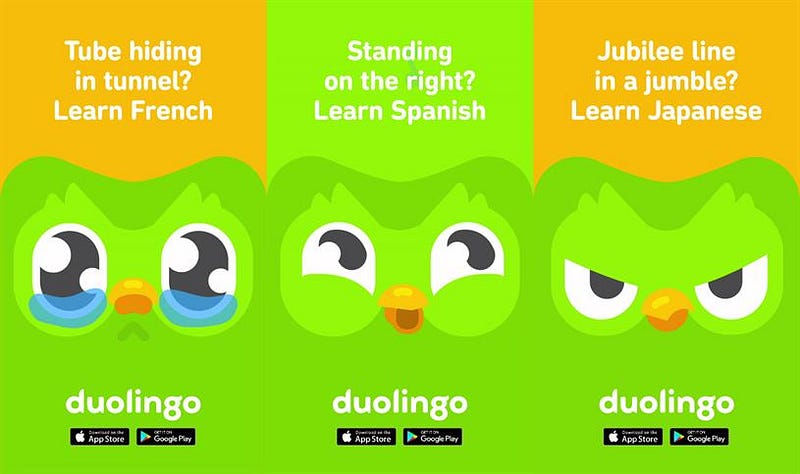
How would I go about:

  1. Finding others who are new to a specific language?
  2. Where would I find a native speaker of French in my neighborhood?
  3. What about the risks of stranger danger if I did find that someone?
  4. …and most importantly, which language would I choose to learn?

These questions floated my mind when I stumbled upon Duolingo.

Duolingo, is an online gamification interface that allows a person to learn or enhance their understanding of a language. Boasting well over 94 different languages and 300 million users worldwide, I was quite amazed to join this train. In other words, Duolingo is very much akin to playing a game while learning at the same time. It’s pretty simple to use. The interface is clean and it’s free.

Photo by Riho Kroll on Unsplash — Did someone say a clean game?

Examples of Duolingo’s gamification model:

  1. You get points for learning new words. Seriously. You can level up and accrue points for it. Good for maintaining positive reinforcement and motivation.
  2. Each unit is made up of smaller but manageable sub-tasks that are easy to do in 5–10 minutes. Even if you work or study full-time, you can set aside some time to play on this app a little bit each day.
  3. You get a daily scoreboard to compete with others in mad race against time. If you’re really hardcore, you can spend hours on this app if you wanted to.
  4. You get some virtual gems that you can use to spend on items within the app. For example, you can get extra lifelines if you’re playing from the mobile app directly.

It feels like an educational game — because that’s what it is. As a prior graduate student researcher who studied extensively on gamification in school-based and corporate contexts, gamification especially works to bridge barriers in various types of learners, including those who need a bit of extra time.

For example, in some schools, some children have special needs. They may benefit from gamification to bridge barriers between them and the next person. For young adults in the workforce, gamification can make learning fun while also promoting productivity and goal-orientation.

Photo by Erik Mclean on Unsplash — After a while, playing Duolingo games is enlightening and makes you sound cultured.

Other examples of gamification-based apps include:

  1. Kahoot — A timed online quiz-style game that students can use to wrack points against each other.
  2. MindSnacks — Another language app. I have not personally tried this so I can’t speak on it’s efficacy.
  3. ClozeMaster — Contextual language app.
  4. SuperBetter App — A self-care app that monitors and tracks your progress across multiple modalities. (This source has been vetted by my friends at Kids Help Phone, a Canadian crisis prevention line.)
  5. Habitica — A goal-orientation app.
  6. Fitocracy — A physical health/personal trainer app.
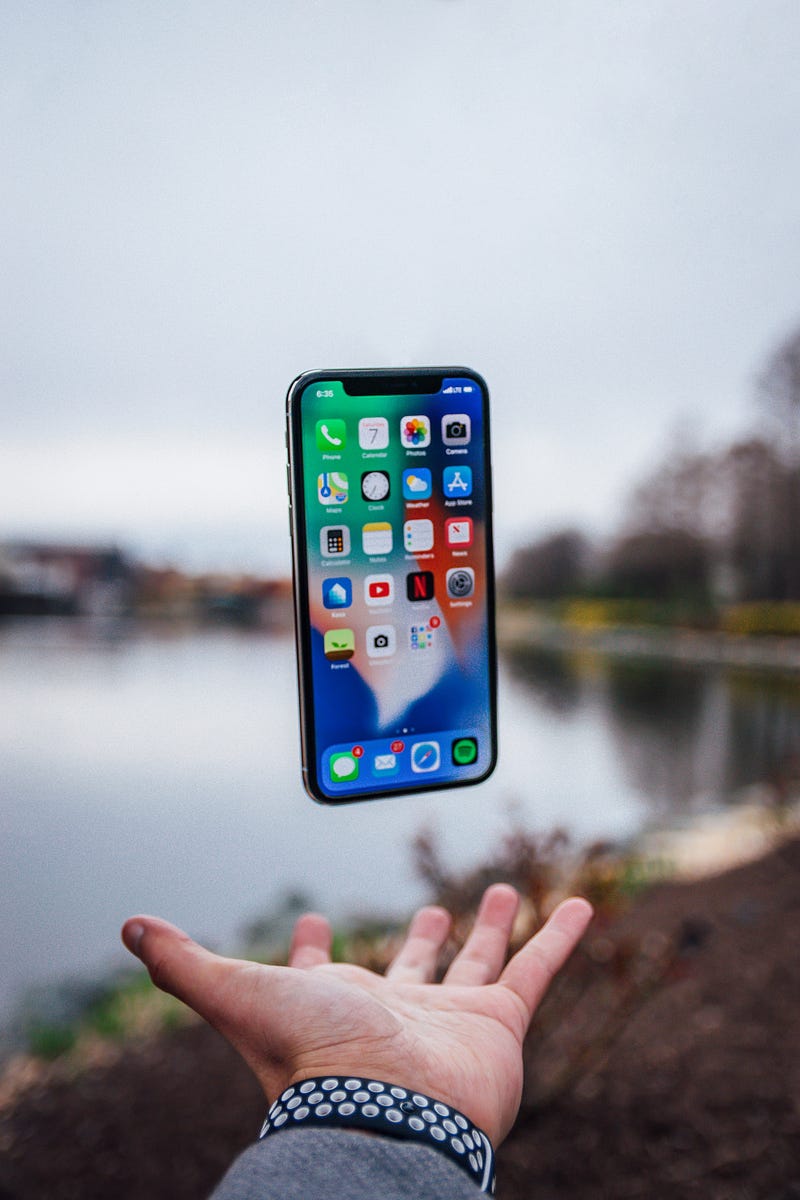
Photo by Neil Soni on Unsplash — Behold: The power of apps.

What’s so good about gamification?

I find gamification to be largely good for our brains. It’s easier to recall things when there is a pleasurable reward associated to them. Allocating points for learning a word helps monitor your progress and attaches rewards to what you’re doing. It incentivizes what you are learning and optimizes your hippocampus to process new information. Plus, studies show that remembering things becomes much easier when you’re playing a game compared to rote memorization.

Photo by Bret Kavanaugh on Unsplash — Learning languages helps our brains grow.

Does Duolingo work as a Gamification Tool?

Personally, I settled on the French language. I chose French because I harboured some prior competence in the language back when I was in highschool some years ago. I figured that with the number of Ontario-based job applications asking for bilingual candidates, I figured that I take it a step further and enhance my basic competence in the language.

So far, the Duolingo interface has allowed me to:

  1. Learn new words in French (comes with visuals sometimes).
  2. Speak those French words out loud (you can disable this feature if you’re not interested).
  3. Formulate English sentences into French sentences (initially, I have a word bank and later on I have to work without one).
  4. Translate French sentences into English (same as point 3).

I’ve found myself understanding more and more complicated sentences in French while perusing LinkedIn and reading random news articles. In fact, I can speak a little bit better as well, but I’m a bit hesitant to test out my skills in large crowds.

Maybe when I feel ready, I will go to one of those sanctioned-Duolingo meet and greets.

Photo by Ant Rozetsky on Unsplash — Maybe this is me in the future.

Final Thoughts

  1. It’s great for quickly learning contextual words and cues quickly, as I’ve started to notice with myself.
  2. It’s also great for learning on the subway ride or on a long drive between places, as I’ve done in the past. Helpful during general downtime as well.
  3. While it’s not a complete replacement for learning a new language, it is greatly helpful in accelerating and pushing for that process.
  4. I think pairing Duolingo with YouTube videos and in-person sessions would be helpful.
Language Learning
Gamification
Language Gamification
Duolingo
Languages
Recommended from ReadMedium