
An Arbitrary Alliance with Geography
Embracing inherent arbitrariness in the objective truths of geography.
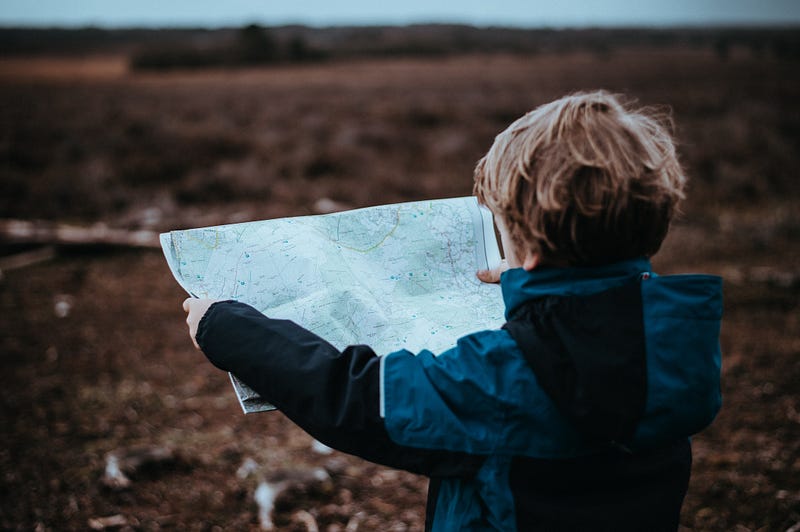
If science asserts itself as an objective discipline, then why is it that geography is riddled with subjective thoughts?
Is it because of varying cultural perspectives?
Economic considerations?
Political influences?
Or is it all a whim away when we classify key geographical concepts?
In foresight, geography is a complex and dynamic field that presents many growing concepts with an array of arbitrary ideas to the world. This begs the question:
How much of geography is geographical?
Justifying science with random choices
The term arbitrary in the context of geography doesn’t necessarily mean that the discipline lacks logic or structure.
Instead, it implies that certain aspects of geography involve subjective decisions of the human mind rather than being strictly determined by the objective criteria of nature.
These subjective aspects largely include political, economic, and cultural considerations that impact how we view certain geographical concepts.
Political
Concerning the agendas of different leading political powers, concepts like borders, territory, or nation-building are often not based on natural geography but rather on political legacies.
Economic
Likewise, government interests in the economy drive decisions on how we distribute resources like by using trade routes or special economic zones that override how the world, including nature, functions amongst the human condition.
Cultural
Cultural backgrounds often transcend natural geography due to their influence of migration, heritage, language, religion, and history that define the land people reside on beyond its natural formations.

Though these subjective aspects are the most rampant, historical narratives and technological advancements also contribute to the arbitrariness of geography.
This is because humanity’s past actions and events inflicted on the world, including rapid industrial development, have shaped the way key geographical concepts are defined.
In summary, geography involves a complex interplay between natural features and human activities.
While some aspects of geography are objective and based on physical characteristics, others are influenced by political decisions, economic considerations, cultural perspectives, and historical contingencies.
This begets a series on the arbitrary side of geography from classifying certain geographical concepts, like continents and defining borders, or naming cities and installing time zones, with a subjective perspective in mind.
These examples will feature a few case studies that illustrate the multifaceted nature of geography, where the interaction between humanity and nature influences this coveted scientific field.