
An Accidental Breakthrough: A Drug Designed to Treat Diabetes Appears to Slow Aging and Forestall Death
By mimicking the effects of fasting, SGLT inhibitors seem to broadly counteract age-related diseases and decline.
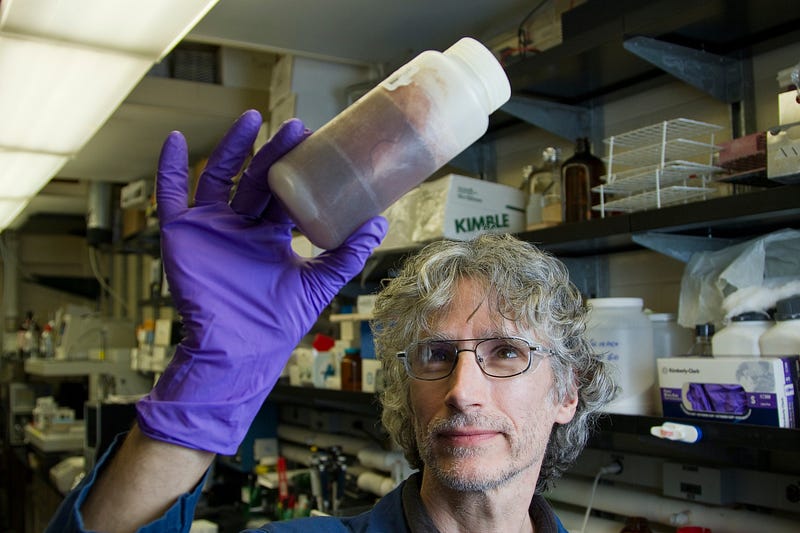
Dr. James O’Keefe is no pill-pusher.
As director of preventive cardiology at Saint Luke’s Mid America Heart Institute, O’Keefe has spent much of his career studying how a proper diet, exercise, and other tried-and-true health behaviors protect against the perils of aging.
During our past conversations, O’Keefe, who is also a professor of medicine at the University of Missouri-Kansas City, has bemoaned the sorry state of American healthcare, which he says is structured to treat illness rather than prevent people from getting ill in the first place. “The sicker the population, the better that is for hospitals, drugmakers — the whole system,” he says.
‘I’ve been a physician for 40 years, and I’ve never been so excited about a medication for human health and longevity.’
O’Keefe is an unlikely evangelist for a novel pill-based solution to the problem of age-related disease and infirmity. But he says that his personal experience treating patients with SGLT inhibitors — coupled with his own just-published research into the effects of these medications — has convinced him that they “are truly revolutionary.”
“If you look at how the survival curves separate for people on these drugs versus people on placebo — I have never seen anything like this in my career. Not even close,” he said of the once-daily pill’s apparent ability to extend life and prevent a range of age-related diseases.
“I have no doubt this therapy is going to change the landscape of aging and age-related disease,” he added.
What Do We Know About These Drugs?
Sodium-glucose cotransporter (SGLT) inhibitors are a class of drug originally intended to reduce blood glucose (blood sugar) in people with Type 2 diabetes. They do this in part by blocking a channel that allows glucose to be reabsorbed into the kidneys.
The first SGLT inhibitor received FDA approval for the treatment of diabetes in 2013. Back then, O’Keefe says he was hesitant to prescribe the drug to his own patients because he feared they might pose a threat to kidney health.
“When these first came out, I told some of my colleagues they seemed like a really dumb idea,” he says. Cautious, he chose to wait until follow-up research had demonstrated that the drugs were safe for people with both Type 2 diabetes and cardiovascular disease.
“Then in 2015, the first study of SGLT-2 inhibitors in patients with heart disease showed a 38% reduction in cardiovascular death compared to placebo,” he says. That study, published in the New England Journal of Medicine, also found that the drug led to steep decreases in heart failure and “death from any cause.”
“We were astounded,” he says of his and his colleagues’ reaction to those results.
‘If you’re a drug company that makes money from sick care, not prevention, these drugs pose a threat.’
Reassured that the drugs were not only safe for his patients, but maybe also protective against heart disease-related mortality, O’Keefe started prescribing SGLT inhibitors himself. “Over time, we noticed that it didn’t matter how a person’s blood sugar changed — whether it went way down or stayed the same — people still got these mortality benefits,” he says. “Then trials were performed on non-diabetics, and we saw the same benefits.”
Since then, other research groups have looked at the effects of SGLT inhibitors in a range of patient populations — from people with cancer or liver disease to healthy adults. Many of these trials have found that people who take these drugs enjoy reduced disease risks, and live longer and healthier lives, than their counterparts taking placebos.
One of these drugs — the SGLT inhibitor sotagliflozin (brand name Inpefa), which has FDA approval for the reduction of heart failure and death in patients with diabetes, chronic kidney disease, and other cardiovascular risk factors — may turn out to be the most effective of the class for slowing aging. Like other SGLT inhibitors, sotagliflozin blocks reabsorption of sugar in the kidney, but it also reduces glucose absorption in the small intestine, O’Keefe explains.
By triggering autophagy, SGLT inhibitors “rejuvenate all the organs at a cellular basis.”
How could a drug that targets blood glucose provide such an apparently diverse array of benefits?
“It was a mystery, but then we backed up and looked at what happens with these drugs at a cellular level,” O’Keefe says. “It turns out that the sodium-glucose cotransporter is also a key nutrient sensor for all cells in the body, and when it’s blocked, the cells think the body is in starvation mode.”
While that may sound like a bad thing, it’s not.
O’Keefe explains that when the cells believe they are nutrient-deprived — something that also happens during periods of fasting or intense physical exercise — this triggers a sort of internal housekeeping function known as autophagy.
Anyone who has read about fasting’s apparent health benefits will be familiar with this term. “Autophagy is a form of cellular housekeeping where, in order to make the whole organism hardier and more resilient, older organelles — structures like the mitochondria and endoplasmic reticula — are repaired, or recycled and replaced,” O’Keefe explains.
He says that, as people grow old and sick, their cellular health degrades. “It’s almost like rusting from the inside out,” he says. This internal rusting happens everywhere — in the heart and brain, the lungs and liver — and contributes to the emergence and progression of age-related diseases. In part by triggering autophagy, SGLT inhibitors “rejuvenate all the organs at a cellular basis,” he says.
“So SGLT inhibitors slow the aging process at a cellular level,” he adds, “and since aging is by far the most potent risk factor for death and disease, these drugs prevent many of the most common and nefarious of these age-related diseases and improve life expectancy.”
A Future Where Even Healthy Adults Take These Drugs
Such effusive praise raises an obvious question: If these drugs are so remarkable, why aren’t they a bigger story?
“Our new paper is the first to collect all the evidence and propose SGLT inhibitors as a therapy to slow aging and extend lifespan in healthy people, so I think a lot of doctors just haven’t caught on that this is more than just another diabetes drug,” O’Keefe says.
Furthermore, he says that he and his research associates have been scrutinizing and using these drugs longer than most, and so they have a better sense of the scope of their effects. (Due to his research, O’Keefe has been a paid speaker for Boehringer Ingelheim, a drug company that makes one of these medications. But he says he makes no money from the sale of these drugs. “I have no financial interest in promoting SGLT inhibitors,” he says.)
Without question, he says plenty of follow-up work needs to be done to confirm that these drugs are as safe and effective as they appear to be. “I think it’s still too early to know how it’s all going to play out,” he says.
He also worries that funding for this kind of research may dry up. These drugs are poised to go generic in the next year, which typically decimates profits. This may discourage drugmakers from funding expensive anti-aging trials. “If you’re a drug company that makes money from sick care, not prevention, these drugs pose a threat,” he says.
But despite these hurdles, he envisions a future where even healthy middle-aged people will take one of these drugs to forestall the onset of age-related decline, and to lengthen both lifespan and healthspan.
“I’ve been a physician for 40 years, and I’ve never been so excited about a medication for human health and longevity,” he said. “I really believe they’re going to be game-changing.”