
Essay
American Hypochondriacs
In another league
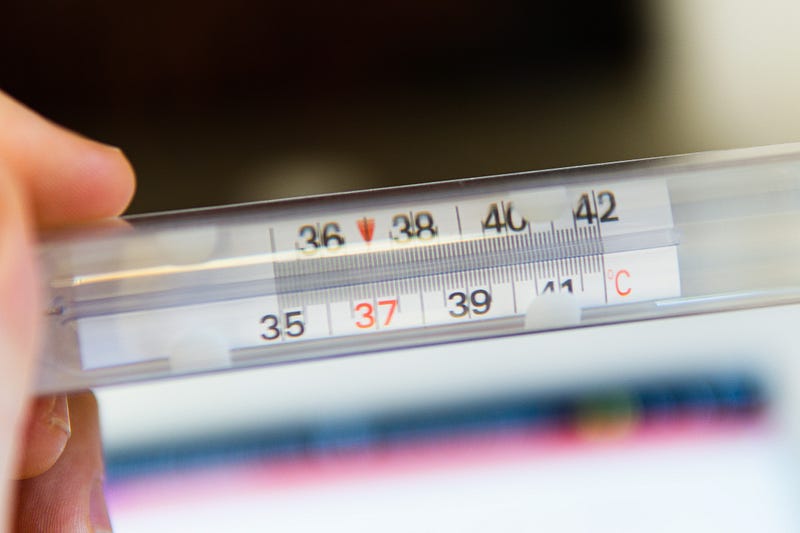
Recently a good friend of mine on Medium, a voice I admire and follow and generally concur with, made a statement that was shocking and profoundly untrue. This person, this writer, claimed he (it’s always a he) was ‘The world’s greatest hypochondriac.’
Knowing this to be an out-and-out lie, I highlighted the egregious claim. ‘I won’t have it,’ I said. ‘My husband is the world’s greatest hypochondriac.’
You might say, so what? It’s only my word against my friend’s. But here’s the thing, the clincher: my friend is British; my husband is American. And as in so many things between the two nations, the American hypochondriac is bigger, better and stronger.
Only consider: the American hypochondriac is reared on big Pharma, private healthcare and infomercials. The British hypochondriac cannot compete, for unlike the US, it is illegal in the UK to advertise prescription drugs, so the British hypochondriac is raised on a diet of namby-pamby over-the-counter medicines; hardly conducive to hypochondriacal excellence.
Moreover, having a national health service that exists for the health of its citizens rather than the pursuit of profit, there is far less incentive in the UK to promote illness and drugs.
And how we Brits lag without infomercials! Those television programmes where a man in a white coat with letters after his name points to a pie chart. He assures you that you suffer from an illness, dastardly in its daily devastation. But he has just the drug to quash the ailment. Without his drug, you are destined for imminent death or a life of misery. How can we Brits compete with that sort of inculcation? Next to our American counterparts, we are pale, sickly, pun-like specimens.
Only last month, my husband informed me that the blemish on his shoulder was a cancerous mole. As usual, I laughed at him.
‘You’re cold, callous, and uncaring,’ he said. ‘I could be dead next week. Then you’ll be sorry.’ Two weeks later, as he was tucking into a pile of pancakes, I said, ‘How’s your cancerous mole?’ He looked sheepish. He hesitated. ‘It came off in the shower.’
He hails from a long line of hypochondriacs. Indeed, whenever my American in-laws visit England, they always bring an illness. This ensures them at least one visit to a GP and, if they are lucky, a stint in Accident and Emergency, known as ER in the US. One time my mother-in-law fell over and ended up in Accident and Emergency. A lovely young doctor patched her up and checked her vitals, and two hours later, when she was pronounced fit to leave, my father-in-law reached for his credit card.
‘Put that away,’ I said. ‘You’re in England. We don’t charge.’
Father-in-law thought I was talking gaga. ‘What? You mean I won’t have a big fat invoice to settle? No threat of my house, my car, the skin off my back being taken?’
They had to fetch the oxygen tank and give him a few puffs of the happy gas, he was so agitated by the concept of not paying. For days after, he walked around in a stupor, shaking his head and muttering.
The following summer, my sister-in-law visited with a gastric problem. ‘My gastroenterologist says I must only have white bread, white rice, plain chicken. I can’t have dairy or mayonnaise or vegetables. My neurologist advises me to stay away from fruit.’
That’s another thing about your American hypochondriac. They have all manner of specialists on tap: obstetrician, paediatrician, gynaecologist, anaesthetist, neurologist. Of course, the reality is one half of the population has access to specialists while the other half gets access to none.
A nation’s healthcare is like a box of chocolates in the family larder. It is finite; it is precious; it is expensive and there’s only so much to go around. In a functioning family, a scarce resource like chocolates are shared; all the members get a few, everyone gets some, and no one gets more than another. In the US family, they heap the chocolates on one or two members while the rest of the family sit in want. An exceedingly dysfunctional family that, in fact, no resemblance to any family you would want to be part of.
In one tea shop, Sister-in-law rested her walking stick against the table (when in public she always uses a stick), scrutinised the menu and quizzed the servers. What sort of bread did they serve? How much salt did they use in sandwich preparation? Did they use butter or spread? Just how much mayonnaise was in the coleslaw? Was the chicken fresh, or processed (too many nitrates)? Could she get ketchup and two percent fat milk on the side? (Why not three percent? Or four and a half percent?) She settled for a slab of Victoria sponge.
Later that afternoon, wild with hunger, Sister-in-law ditched her stick and dashed to the supermarket. They were low on sandwiches, but she found one and exited with an egg mayonnaise crammed in her mouth.
That’s the thing about hypochondria; it’s an affectation. And Americans being pragmatic, when hunger calls hypochondria is forgotten. But not for long. The next day, Sister-in-law pronounced she had a partially collapsed lung.
So let’s have no more spurious claims, no more ridiculous declarations, no more clap trap from wannabe Brits. There is no hypochondriac like an American hypochondriac, and with a family like his, my husband reigns supreme.
Americans, the title of World’s Greatest Hypochondriac is safe in the hands of your compatriot, my husband.
In case you’re wondering who made the outrageous claim about hypochondria, it was Adebayo Adeniran in this article.