
Amazon, Target, and Kroger rev up Private Brands
How the pandemic shifted shoppers’ grocery preferences
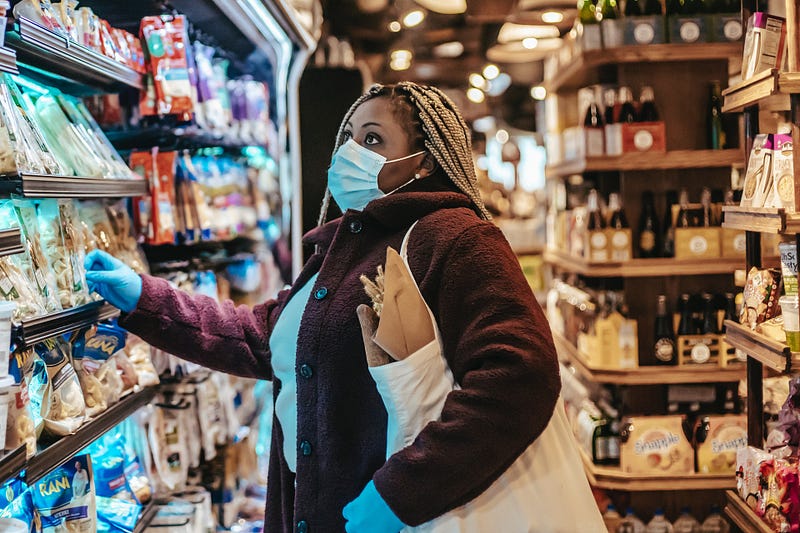
Once considered second-tier options, private-label food brands are coming on strong.
Shortages and cost concerns prompted many buyers to give store brands a try during the pandemic. Pleased with their purchases, many added private-label products to their shopping lists.
Now, retailers are ramping up production and expanding their private-label portfolios to solidify new buying habits.
Amazon, for example, just launched Aplenty.
Aplenty’s offerings include pita chips, potato chips, cookies, and honey Dijon mustard, Supermarket News reported. Hundreds of additional items are expected over the next year, including candy, crackers, frozen food, condiments, and baking mixes. Amazon says all will be free from artificial flavors, synthetic colors, and high-fructose corn syrup.
The new brand extends Amazon’s portfolio of private-label items, Grocery Dive reported. Milk and frozen vegetables, for example, are sold under its Happy Belly brand, and heat-and-eat meals under the Amazon Kitchen brand.
Aplenty arrived just weeks after Target debuted Favorite Day, which will include over 700 items, including bakery products, snacks, candy, ice cream, beverage mixers, and mocktails.
“Right now, more than ever, people need that bit of reward, a little of indulgence, a bit of joy in their every day,” Rick Gomez, Target’s chief food and beverage officer, told CNBC.
In 2019, Target launched grocery brand Good & Gather, saying it would phase out two other private labels, Archer Farms and Simply Balanced. Good & Gather generated about $2 billion in sales last year, per CNBC.
Grocery stores like Kroger, the country’s largest supermarket company, have stepped up their efforts, too.
Kroger Chairman and CEO Rodney McMullen said 2020 was “the best year ever” for the company’s private-label brands, which he said exceeded $26.2 billion in sales.
One standout was Kroger’s Simple Truth line, which surpassed $3 billion in sales, Store Brands reported. Simple Truth’s plant-based line added 53 new items in 2020, including oat milk ice cream, almond milk yogurt, and dairy-free cheese shreds and slices.
This year, Kroger plans to add 660 items to its private-label selections.
The pandemic’s impact on private-label brands
Trader Joe’s, Aldi, and big-box retailers like Costco have sold private-label brands for years, Progressive Grocer noted, adding that shoppers are comfortable buying the products from retailers that specialize in them.
But the pandemic pushed even more consumers to try private-label products.
During the early days of COVID-19, many major brand-name goods sold out because of “panic buying and pantry loading,” according to a McKinsey & Co. analysis.
That’s when shoppers turned to private-label brands, which often are cheaper for customers and more profitable for retailers, per McKinsey.
According to the Private Label Manufacturers Association, private-label sales generated $158.8 billion in 2020, up from $142.3 billion in 2019.
A poll by marketing and branding agency Ketchum Inc. showed that 63 percent of shoppers plan to purchase more private-label goods after the lack of availability of their usual brands forced them to try alternatives, wrote James Brumley for the Motley Fool.
Quality and credibility count
“In uncertain times, many consumers trust the retailer to not simply put a product on shelves but to pick the best product and put their name on it,” Louis Biscotti, partner and practice leader in Marcum LLP’s food and beverage sector, wrote in Forbes.
“The days where private label meant good price, but not good quality, are gone,” he wrote.
Pointing to data from Daymon Worldwide Inc., Packaging Strategies reported that 89 percent of shoppers say they trust private brands as much as national brands, and 86 percent believe private-brand quality is equal to, or better, national brands.
Daymon’s data showed that among those who increased purchases of private brands during the pandemic, 53 percent said the reason was for better prices, per Packaging Strategies.
Price will continue to be a factor
A recent Pew Research Center survey shows many Americans are still worried about stretching their dollars as far as possible.
About 30 percent of U.S. adults say they worry every day or almost every day about the amount of debt they have and their ability to save for retirement, according to the January survey of 10,334 adults.
Twenty-seven percent said they frequently worry about paying for bills and healthcare costs for them and their family. Approximately one in five said they are very concerned about paying their rent or mortgage or being able to buy enough food, per Pew.
According to an Instacart online survey of 2,038 U.S. adults conducted by The Harris Poll, 36 percent said “how to save money on groceries” is among the food lessons they’ve learned in the past year.
FMI, The Food Industry Association, reported that one-third of consumers surveyed last year for its U.S. Grocery Shopper Trends COVID-19 Tracker said they expect to purchase more private brands, with 13 percent expecting to purchase much more than before the pandemic.
Pointing to data from FMI, Grocery Dive reported that about a third of retailers plan to “significantly increase” their investment in private brands and that just over half plan moderate increases.
What shoppers want now
Brad Studer, senior director of Our Brands for Kroger, told Store Brands that shoppers are increasingly interested in the environmental impact of their lifestyle choices.
“A growing number of consumers are also embracing flexitarian living and reducing their intake of meat and dairy products,” he added.
Better-for-you snacking options are also a draw.
“Signs point to the desire for consumers to adopt better habits once the threat of the pandemic wanes,” Beth Bloom, associate director, U.S. Food and Drink Reports at market research company Mintel, told Progressive Grocer.
“Health-focused snacks have been driving much of the growth in the salty snack space, with strong increases seen in high-protein snacks, low-carb cheese snacks, veggie-based snacks, bean snacks, and snacks using alternative grains,” she said.
Generational preferences play a role, too.
In 2020, 52 percent of Millennial and 49 percent of Gen Z shoppers bought store brands to save money, according to Statista. That compares with just 14 percent of Baby Boomers.
“Millennials seem to be less brand loyal,” said Jennifer Bartashus, senior analyst for Bloomberg Intelligence, told The Food Institute.
Younger shoppers will try new products, she said, and are open to retailers' private-label brands.
“This plays into an interest in value, whether it be on price, on perceived quality, or extra benefits such as sustainability or fair-trade attributes,” she said.
There’s no doubt smart retailers will continue to experiment with private-label products. Savvy shoppers will too.