
Am I Ready To Change?
There are multiple phases of readiness before we’re ready for actual change, and we can’t rush them.
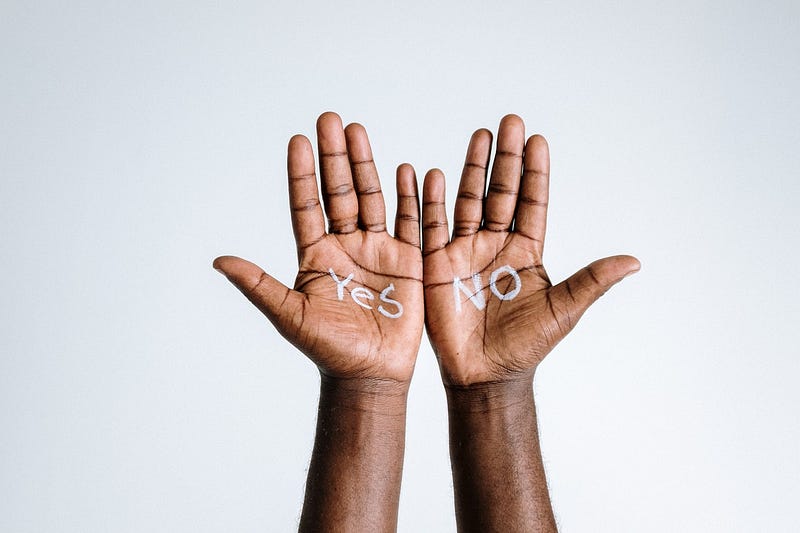
Life doesn’t always feel comfortable. There are things we wish were different. Sometimes we imagine how life could be if we could make some changes, but we never seem to “get over the hump”.
Why does this happen and is it healthy?
Yes, this is totally normal, and healthy. There are multiple factors that affect our readiness to change. It isn’t simple…until you’re truly ready.
When you see others make behavior change in their lives and it seems like it’s no effort for them, that’s because they’ve probably spent years navigating the process of self-change and it’s become a way of life for them. OR they have an undeniable motivation like serious health issues or the threat of losing a relationship or a job.
The truth is, we need a very personal REASON to change. We have to want to change for ourselves, not for others.
There are two phases in the Readiness To Change Spectrum in particular that I want to briefly go over here, called Pre-contemplation and Contemplation.
In Pre-contemplation, we are fairly fulfilled with the way things are. Others may point out that we need to change, but we don’t think it’s necessary. Our doctor, partner, family, or friends may be pointing out a problem or concern related to our health or behavior. We might start looking into options or loosely thinking about what’s out there, but we’re doing it to make them happy. We have no intention of actually doing anything different any time soon.
Contemplation is the stage when we are actively considering implementing change within the next 6 months. We’re more open to listening to others’ opinions about the change. We’re weighing the pros and cons. We’re aware of the benefit of the change we’re considering, but we’re not ready to make a move yet. In this phase, we have a lot of thoughts come up that keep us from actively changing. “It will be hard” is one of them. Another example is “I don’t know if I’m the kind of person who can do this”. These thoughts are totally normal. We’re feeling the change out. Subconsciously, we’re considering who we are as a person, and who we want to be. “Does this change feel like me,” “How would it be if I went through with this,” “Would I still be the same me?”
How can we move out of Pre-contemplation and Contemplation, and into the Preparation and Action phases?
- Look into options. This might help you see that there are ways you could make the change happen and that lots of other people do it.
- Think about what your life will be like in a year, or 10 years, if you don’t make any changes. Will there be any negative repercussions? How will your current state of health and well-being progress if you continue to do everything the same way now? Is this the desired outcome for you, or would you rather create a different outcome?
- Visualize what you want your life to be like in 1, 5, or 10 years. How do you feel about this visualization? How is your health? What are you capable of? How happy will you be? Is there anything in your life now that you’d have to change in order to get to this optimum life?
Whatever it is you’d like to accomplish, you can. If you can visualize your desired outcome then it’s possible. You don’t have to leap into change right now. As a matter of fact, it’s healthy to consider your options in order to make choices that best fit YOU.
Melissa Raise is the owner of Raise the Bar Wellness. She is a CPT, CHC, and LMT with 18 years of experience helping people better themselves. Working with the tools of behavior change, positive psychology, non-violent communication, motivational speaking, nutrition, meditation, affirmation, and movement recommendations, her intention is to touch and elevate as many people as possible.


