
“Am I a good ally?”
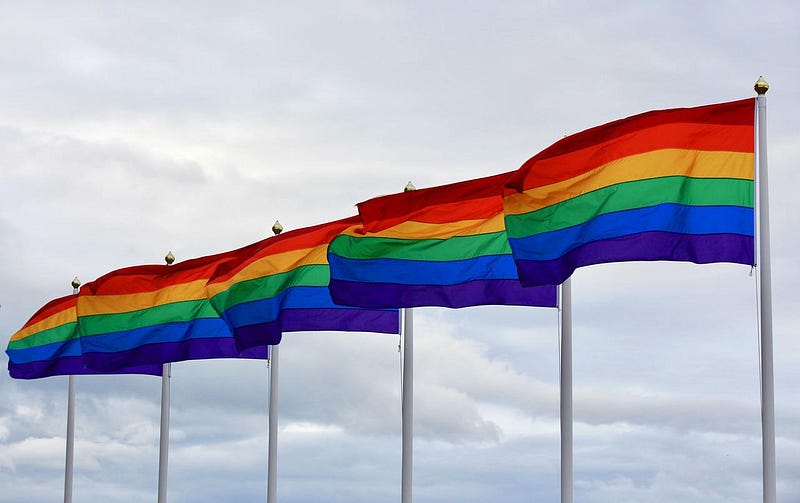
This is Pride Month, or as my brother Randy would put it, “the busiest month of the whole year.” He has his hands full with managing the Pride issue of Lavender Magazine, taking part in community events, and keeping up with his automotive work. And he’s moving this month. Wow!
You would think that someone like me, with family members in the LGBTQ+ community, would consider myself a good ally. To be the ally of marginalized groups is a laudable goal, isn’t it? With all the regressive legislation and Supreme Court rulings these days, those communities definitely need support. That’s why companies switch their logos from Ukrainian blue and gold to rainbows. Being an ally is a good thing, right?
I’ve never felt comfortable with the term ally. I don’t feel it’s a title I should bestow on myself. People know who’s really in their corner and who isn’t. And I don’t think they would consider most people who proclaim themselves as allies to be truly on their side.
Being an ally often seems performative. It’s done by those of us who have been told our entire lives we’re the best people with the best intentions. And when history shows us we’re not, we try to overcompensate by crowding into other communities’ spaces, talking over them to convince them we’re really not that bad, and acting as their saviors. Being an ally is often more about looking good than doing good.
What should we do? Ask what these communities need and listen — really listen — even if it makes us uncomfortable. Part of that discomfort is that they don’t want us to be their heroes, and they refuse to fit into whatever mold we define for them. We must accept them for who they are.
What they really want us to do is use our privilege to fight against legislation, bigotry, and other actions that prevent them from living their lives. They’re the first to feel the effects of regressive and destructive policies, and they warn us of the dangers to our whole society. We have an obligation to act because privilege comes with responsibility, especially when we got that privilege through the suffering of others.
Instead of being a good ally, I’d rather be a good supporter. To walk beside them instead of in front. To stand in solidarity instead of expecting the spotlight to be on me. To listen with an open and courageous heart and a willingness to accept. To use my position of privilege to amplify their voices and make society more free, just, and accessible for all. I want to do this because it’s right and not to win any accolades or approval.
So if you don’t see my website covered with rainbows, it’s not because I don’t care. It’s because I care enough for them to let them celebrate who they are — and I want them to have the freedom to do so.


