
All the Things That Make It Harder to Move to a New Country
There isn’t a perfect country out there.
Recently, my sister, who has a year-old daughter, asked me to look into the technicality of moving to Canada or Europe. The recent mass shooting of kids in Texas scared her shitless. She wants to raise her daughter in a safe place.
As I researched the move, I came across multiple challenges that she might face. I moved to the United States when I was just eighteen years old. So, I know a few of them myself.
These issues exist even if you are financially stable. Challenges do not only apply to poor people. It generally extends to everyone. When Donald Trump announced his candidacy for president, some people publically announced that they would move away if he won the election. Yet, when Trump did win the election, most backtracked their opinions, including multiple celebrities.
So, what is it about moving to another country that scares us?
Here is a list of things that make it harder to move to a new country.
It is harder to integrate into society without proper language skills.
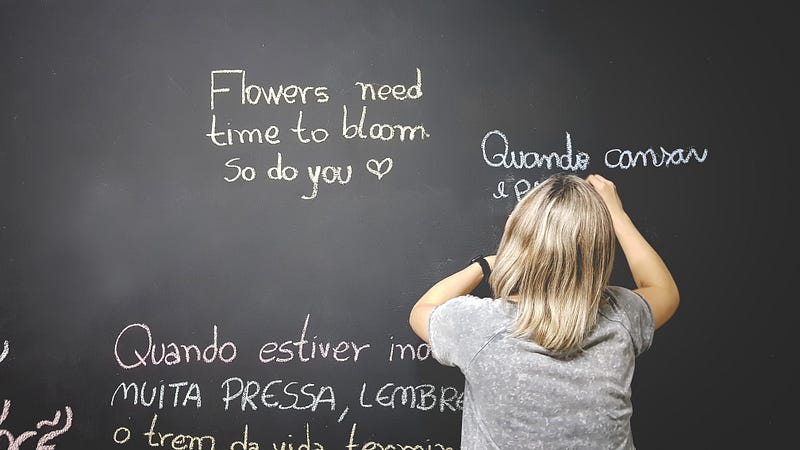
You will not understand the small jokes people make for a frustratingly long time. It happens partly because of the language barrier and partly because of missing context. It makes you feel that you are not part of the society you’ve decided to call home.
The language barrier does not stop there. It is much more challenging than you anticipate. Communication with people around you remains disappointingly superficial for a long time. You will know how to say a few sentences, but anything beyond that is not easy.
I knew English pretty well before I moved to the United States. Even then, it was difficult for me to get all the nuances of the language for years to come.
My parents lived in Germany for over eight years. They could speak German pretty well. Yet, they couldn’t stay there forever. Part of the reason was language.
“It is hard to call a society your community when you don’t understand the common tongue.” my father added, “People prefer to speak their language even with foreigners. You can forget about getting a decent job if you don’t speak their language.”
Cultural shock is a real problem.
You might not have a thanksgiving holiday anymore. And no! Video calls with family won’t cut it. It is true regardless of religion and beliefs. Culture is not limited to what you celebrate. If you hang out with your friends every other Friday, you will miss the ritual because you won’t have your friends anymore.
My parents mentioned that the first thing that bugged them in Europe was the time people took to eat their food at restaurants.
“They were slow and spent hours eating food.” — my mom sighed. “I wanted to eat and leave, but getting the check took too long at restaurants.”
Holidays, pastimes, language, architecture, food, rituals, and numerous other things are different in a new country. For the first couple of years in the US, I missed my home whenever October rolled around because I missed celebrating the Dashain festival with my family. I missed playing cards with them, eating tasty foods, and familiar faces.
Before you decide to move, make sure you are ready to miss your family, friends, and all festivals, and be okay with it.
Novelty wears off pretty quickly.
Don’t move just because it is something new and exciting. Find other genuine reasons as well. Novelty wears off pretty quickly.
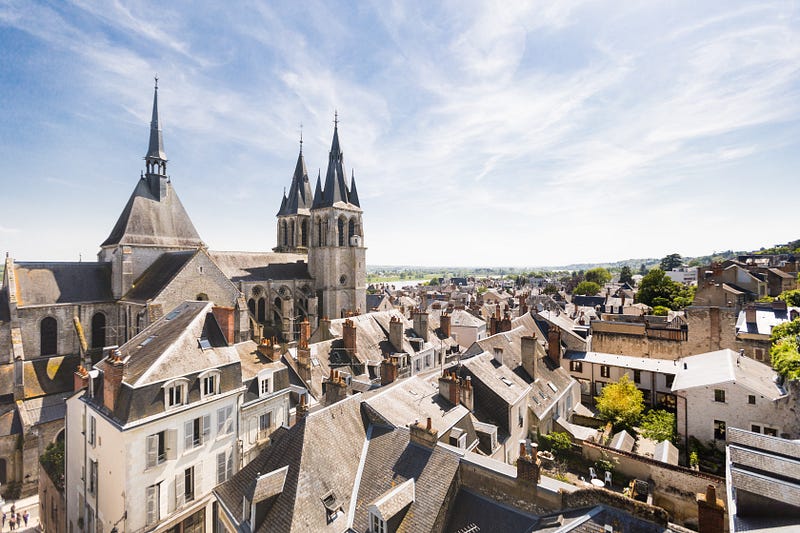
It is a good idea to live in a city you want to call home for a couple of weeks or more before you move. Beautiful city architecture won’t matter much if you get stuck in traffic for hours or if you are lonely in a new city.
We hedonically adapt to all situations. After a while, we don’t even notice those beautifully carved structures anymore — structures that we couldn’t take our eyes off in the beginning.
Be aware of the long distance.

Back in 1999, when the internet was still in its infancy in many parts of the world, I remember writing letters to my parents. I got excited opening thick paper mails that could barely contain all the letters my parents sent me.
These days, it’s not the case. Communication has become efficient, to the point we don’t even notice we are in different parts of the world. Despite the technological advancement, it is easy to lose contact with your friends if you are not careful. You will start ignoring text messages from friends when you are busy. It becomes harder to schedule a long call. Before you know it, months go on without any messages.
Your friends back home are more important than you realize. The sad part is we often take everyone for granted and only realize their importance once they are not near.
I often remember the time I laughed with my close friends when I was in Nepal. But, I was ready to forgo that for a better future. Are you?
There are problems in other countries as well.
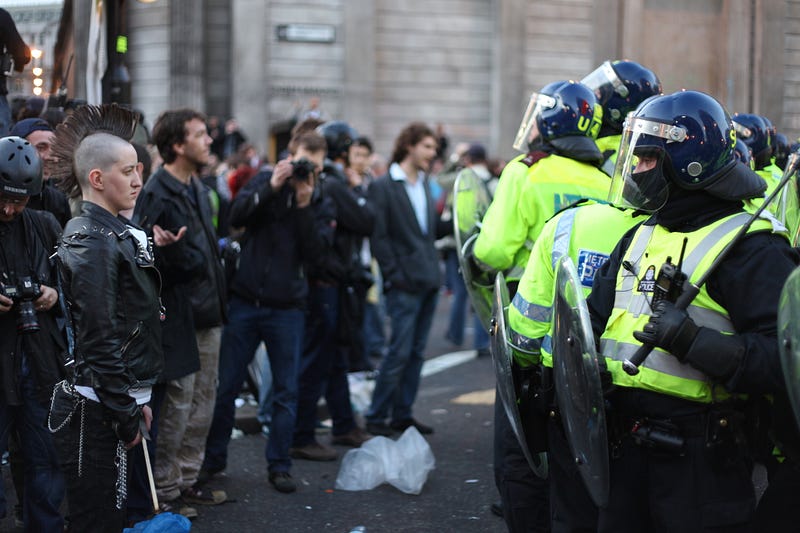
Do you know that because of an ongoing Islamic insurgency in Mali, 2 UN peacekeepers died this week?
There is an ongoing war in Ukraine.
In 2021, human activity dumped a large amount of carbon dioxide into the atmosphere.
There is an ongoing hunger strike in the UK as the country prepares for deportation.
Why am I telling you these new stories? Because the grass is always greener on the other side. Everything looks great from afar. We start noticing issues only when we move there.
In Nepal, there were frequent riots, load-shedding, and poor opportunities. Therefore, I decided to move to the US. Yet, the problems haven’t disappeared because I am in the States. People are still grappling with frequent mass shootings, political polarization, and unaffordable health care.
Every country is facing problems — some small, others big. But the point remains: there isn’t a perfect country out there.
People only change their homes when they have to — when there are no reasons to stay behind. War, poverty, toxic family situation, better opportunities, whatever the reasons are, make sure it is strong enough to keep you going in difficult times.
Whenever people feel unbearable pain, they want to move to a different place to change the environment — hoping it will soothe the wound. However, it is rarely the case.
Problems exist everywhere — in every country. Make sure you choose issues you are ready to tackle.
So, let's try to fix what we have.