
All The Heavy Furniture
(The Visit)
We visit on a Saturday and I
search for you
in all the
heavy furniture,
you, the young woman who
taught me how to drive over that
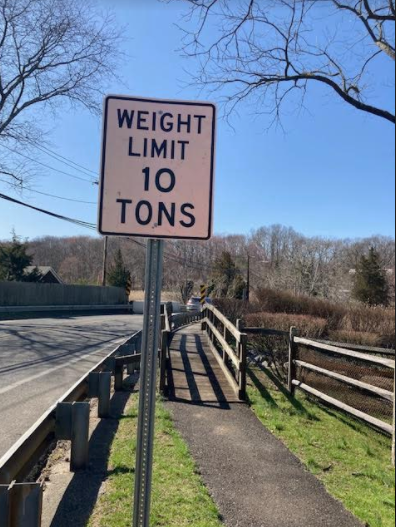
breathtakingly
narrow
bridge,
who drove me to
Super-X
and bought me Trojans
“just in
case.”
I spot you in places,
familiar in your art room
scattered with zines —
me, swinging playfully like a teen, indoors, in your
hanging basket
chair,
knocking things down,
eyeing your work with
envy, but also,
breathless
admiration.
We talk about the lost decades,
as if we can regain them, cup them in our deeply-creased hands, and
share the
aloneness of them,
speaking almost simultaneously of
big fears, of
small omitted facts that,
if known,
might have
alleviated
“things”
(or, then again, might not have alleviated
anything at
all).
We visit, and I catch glimpses of you, still,
of the girl you
were
in your cast-down glances (shame plus humility plus — that saving grace — wry humor that comes from
understanding we remain
inextricably connected),
in the lilt of your voice,
in the eye-roll-cum-spittake you offer when we happen upon
the men, upstairs,
behaving badly
(eyes glazed,
bellies poking unattractively from
tee shirts, above jeans and
socked feet).
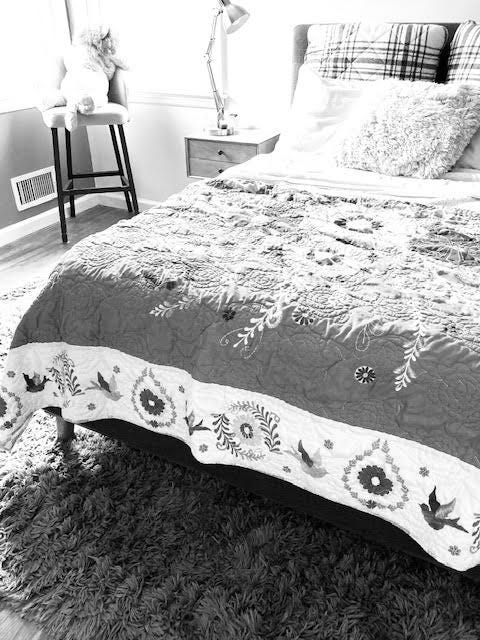
You walk me to the guest room, which seems
both familiar and foreign,
signs of you flashing and
disappearing,
missing in the weighty
couches
(there must be six or more in your home, in all — not cheap Ikea ones with chintzy cushions
giving way after a few seatings,
their skeletal innards poking at one’s sacrum,
as does our
recent
acquisition),
find you utterly missing in the
armoires and recliners,
groove-worn wood and rich leather
scarred by love and strife and thirst and
general usage,
faded rings bleached into surfaces,
born of coffee cups and water glasses
placed
wittingly
there,
no attempt to erase them, scrub clean, or
prevent further damage.
Rather, you (appearing again) have
accepted them there
as more-than-okay,
mere proof of life,
of children at home,
of house guests arriving
year after year
by choice,
echoes of weekend mornings
before the fire
reminding me of the purest
utilitarian purpose of
furniture.

I don’t sleep.
The heat rumbles like a truck idling outside, or a
running
generator.
“Go and check,” my husband grumbles sleepily, and I
do,
moving to the window to stare out at the empty street,
watching for bears
and other things that
might flash and
disappear.
In the morning
you are there, sitting by the fire like an old friend,
a poetry book in your hand.
“Listen to this,” you say and
read aloud,
familiar again.
When you stand, you are someone new,
older and beautiful,
without inhibition or
reserve,
braless, with your nipples
revealing now and again, unapologetically,
from beneath your
brown tee shirt, as you offer
up berries and syrup and
almond cream.
Yes! I think, yes,
as I pack my bags,
as I descend your foot-worn stairs,
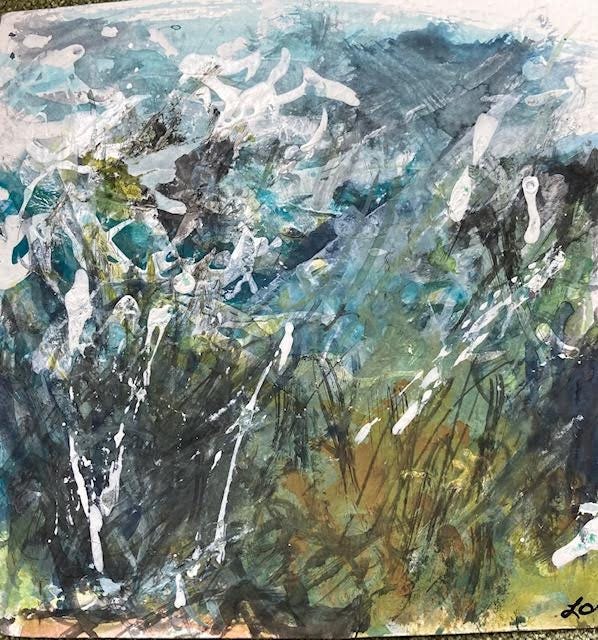
eyes grazing strokes of
color you have painted morning after morning,
on newsprint
until familiar if broken faces emerge,
faces now tacked
almost haphazardly to your
walls.
(Never again will I slip tissue down
my bra to try to
mask things, or soften who I am, as if men have
ever hid the silhouettes of their dicks,
bulging from beneath cotton khakis,
instead of
flaunting
them).
On the way home,
Buffalo Springfield plays as
the trees blur by in their impossible apricot and crimson
hues.
I suddenly think of the boy
who died in a car crash in high school
when he simply leaned down to change the
song.
I think of the years he never had,
no thirty-year gaps in friendships,
no whiskey sipped, no chatter giddy with
recapturing,
no lamenting the soft paunchy swells, nor mourning
the lost
elasticity of his
skin.
I imagine the rooms in his house,
empty of
heavy couches,
of coffee-ringed armchairs,
of the lack of indentations in the carpet where
heavy-footed prints might have
fallen
year after year.
We pass by Suffern by
Sloatsburg, speeding past the
sign for a town I’ve never been which bears the
laughable name of Ho-Ho-Kus.
I say it over and over again —
Ho-Ho-Kus,
placing the emphasis on each of the three
different
syllables,
wondering,
did I ever even know that boy’s name?
Gae is the author of several novels for readers of all ages, though shelved as tween and young adult. You can read more about her and her books at gaepolisner.com