
All of Us, Tortured Artists
Is it the default for artists to be permanently out-of-sync?
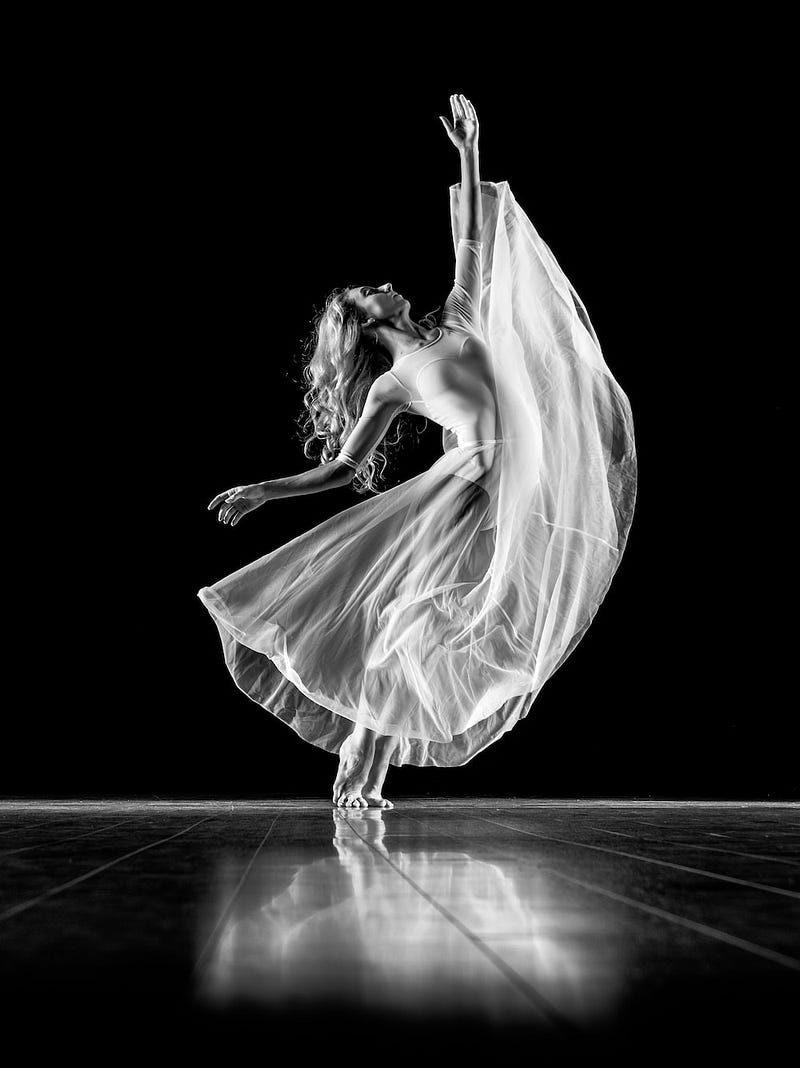
Across the centuries, by way of film, literature, and the occasional unsettling piece of gossip, we’ve managed to construe an image of the artist as someone condemned to live forever outside societal norms. Of someone mad — with their art, their public, the world, as a whole.
Inspired by the captivating life stories of people like Verlaine, Rimbaud, Keats, or Lord Byron, we’ve constructed a vision of the artistic genius that’s not only inaccurate, but may actually prove dangerous to young creators.
The link between suffering and art
Ever since I was a girl, I’ve nurtured a deep love for the Welsh poet Dylan Thomas. In telling a friend about him — his drinking, his womanizing, his criminally early death — I was struck by her reply,
Is it the default for artists to have all these wacky, disturbed lives?
Drug abuse, alcoholism, infidelity, madness, all of these are traits we seem to accept quite easily when used in reference to an artist. After all, we all know Van Gogh was crazy and cut off his ear. That Sylvia Plath stuck her head inside an oven. Keats and Baudelaire were ravaged by syphilis. Creativity and hardship just seem to walk hand-in-hand, don’t they?
And while it’s true several studies have looked for and found a link between creativity and various mental illnesses, I’m afraid they’re all asking the wrong question.
Instead of the reductive “are all creatives mad?”, the question should be, how are all the others expressing it?
There’s an unbearable triteness in the conclusion that all artists are mentally unhinged or thrive from suffering. As if the many nuances and shades of human pain could be bottled up inside a neat, compact category of people.
We all suffer. We all go through periods of darkness, depression, heartbreak, moments of anxiety, acute loss, fear, and so on. It’s just that artists are the only ones who are telling us about it.
So, of course there’s a link between suffering and art, but the binder isn’t creativity. It’s the human state of existence. Yes, all artists suffer. Because all humans suffer. It’s just that artists, I’d argue, are predisposed to a certain sensibility, have the resources, the patience, the endurance and creativity to maybe turn their pain into something beautiful. Or at the very least, externalize it.
As this article in the Guardian points out, your plumber is suffering, too. The man selling newspapers on the corner, and the woman who bags your groceries. Your PE teacher, and your upstairs neighbor. There’s an untold well of complexity nestled inside each of us, and each of these characters may, at any point, prove to be suffering from heartache or unease.
Perhaps when you meet them, they are in the midst of weathering grief and uncertainty, the destruction — utter and irreparable — of their dreams and ambitions. Perhaps they’ve been used and discarded by someone they thought loved them.
So have I. Does my ability to write warrant next-level suffering? Does my talent somehow make my sorrow worse than another’s? No. It just means I’m louder about it.
Robbed of my pain, would I be rendered dull?
It may sound like an absurd question, yet it’s one pondered by many young, aspiring artists. Fallen prey to this cultural stereotype, many new to their chosen craft (be they poets, musicians, mummers, or actors) will go to great lengths, chasing that perennial state of misfortune that artists seem to wear so well.
In pop culture, artists are oft ridiculed for being flamboyant, moody, erratic, and touched by a penchant for somehow harming themselves. Alas, it’s actually a true phenomenon. Why should I chase happiness, fulfillment, healthy relationships and habits, when I want to be an artist?
And how can I be a great artist if I’m a goody-two-shoes?
After all, nobody wants to read a novel about my waking up at 5 AM and getting in a decent workout. No great films came out of getting your five a day, and very few best-selling records concern themselves with the importance of healthy communication and setting boundaries in romantic endeavors.
Interestingly enough, this is a double-edged sword that’s cutting both artists and their audience. For one, the artist will concern themselves with suffering more than they do healing — drinking too much and getting their heart broken. On the other hand, you’ve got their fans who hear or read all this nonsense and think that’s the only thing they can expect out of life.
A long-standing pet peeve of mine is the abundance of songs and films glorifying and romanticizing toxic and abusive relationships. Someone who, in the immortal words of Joan Jett, makes you hate yourself for loving them. And while, as our society progresses, our art is also becoming more interested in things like psychology, gas-lighting, abuse, and healthier lifestyle, the toxic stories still outweigh the healthy ones ten to one. For some reason, we find them more interesting.
After all, if I’m in a healthy, communicative, supportive relationship, I don’t need to curl up on the floor with a quart of vodka, and bawl my eyes out about it.
If all our songs are about loving the wrong person, being cheated on, betrayed, and inexplicably drawn to toxic “bad boys”, is it really any wonder most of us are stuck in bad relationships?
Alas, this notion that a true artist needs suffering is nothing more than a fallacy. For one thing, sorrow and misfortune will, in some form or another, find you. Whether you go chasing it or not. Suffering’s guaranteed for all of us, really. You don’t need to mope, put yourself in risky situations, or go out of your way to invite it.
Suffering has a way of letting itself in.
Besides, true talent doesn’t hinge on strong subjects. Of course grief and heartbreak and mental imbalance are going to draw in the audience, they’re naturally strong subjects. But as long as there’s talent, a way with words, or images, or notes, then you don’t need to prey on these hard-hitters for success.
A true artist isn’t someone who can make grief fascinating. Death and the loss of a loved one are fascinating, deeply mystifying and complex events in our life, by default. A true artist is someone who can make something banal, like grocery shopping, into something sweet and tender and memorable.
And so, for all young writers, like myself, I suggest taking the myth of the tortured artist with a grain of salt. That art provides you with an unparalleled window to catharsis is undeniable. So use your art as a method to heal — yourself and hopefully others — not as a reason to make yourself sicker.
Thank you for reading.
I write stuff. Fiction. Psychology. Movie Reviews. Some poetry. I recently released the first two volumes in a fantasy trilogy, so there’s a chance I’ll be talking some about that, as well.


