
All My Possessions Were Thrown Out and I Think I’ll Survive
Don’t let your house become a storage unit for your stuff.
In Turkish we have a saying: Property is a chip of the soul. It does hurt when you lose stuff.
I lived in Turkey for the first 45 years of my life. In these 45 years, I collected countless items. I got rid of some, but I kept lots of them. Until recently.
When I met my Kiwi partner in Istanbul, he had been traveling for a while. He had a backpack and nothing else. We moved into a little apartment together. I already had most of the furniture we needed. But I had lots of sentimental things too. We visited IKEA for some extra cupboards and other stuff.
A few years later, we had a son. That meant more IKEA visits. He grew, we traveled a bit, then moved to another house. More IKEA and stuff continued to accumulate. My partner occasionally complained about my “clutter” but they were valuable things to me.
After eight years, when I was 45 (and our son was 5) we decided to move to New Zealand. At that point, I threw out the things I could, packed everything else, and put them in my parents’ basement. Our solid furniture. Table, chairs, couch. Fridge, washing machine, dishwasher. Photos and sentimental items. Toys. Boxes and boxes of books. A few “very very” important items went into a cupboard in the apartment.
We came to New Zealand three years ago with two suitcases and without any plan to return soon. And guess what? My partner had lots of stuff waiting for him in his storage unit. Boxes full of photos and sentimental items, toys, old notebooks, tapes and CD’s, books, books, and more books. A variation of the same stuff we left back in Turkey.
They were valuable for my partner. So he brought all the boxes into the house and we lived around them as he sorted them out.
When you see a trailer load of such things you don’t have a connection to, you want to call them something else: junk. But I didn’t complain. The stuff was chips of his soul.
A little portion of the stuff, we ended up using. Kitchen items went to the kitchen. The books went into a bookcase. But most of the other stuff laid around without being used or remained in the boxes. The boxes filled all the corners of the house. After a while, we forgot about them. Like the books on the bookshelves. Nobody read any of those. We needed a few extra bookshelves for our current books we actually read.
Then last year, on a video call my parents told me that their basement was going to be turned into a shelter.
The place had functioned as a shared storage space for many years. But now the inhabitants were expected to remove their junk or the building manager was going to have them thrown out.
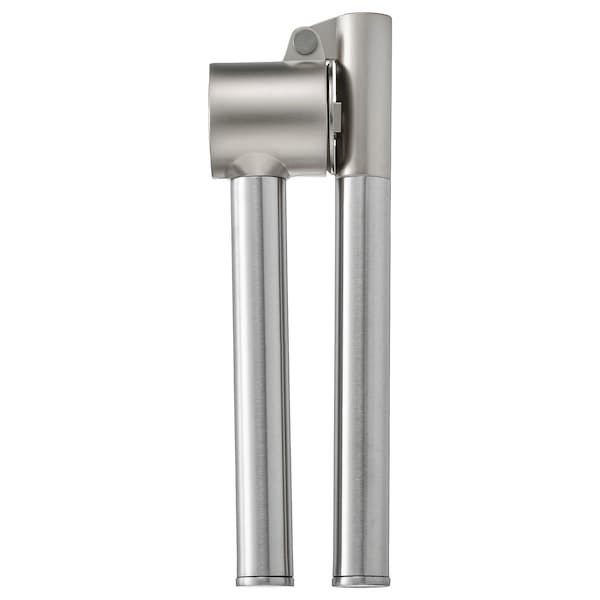
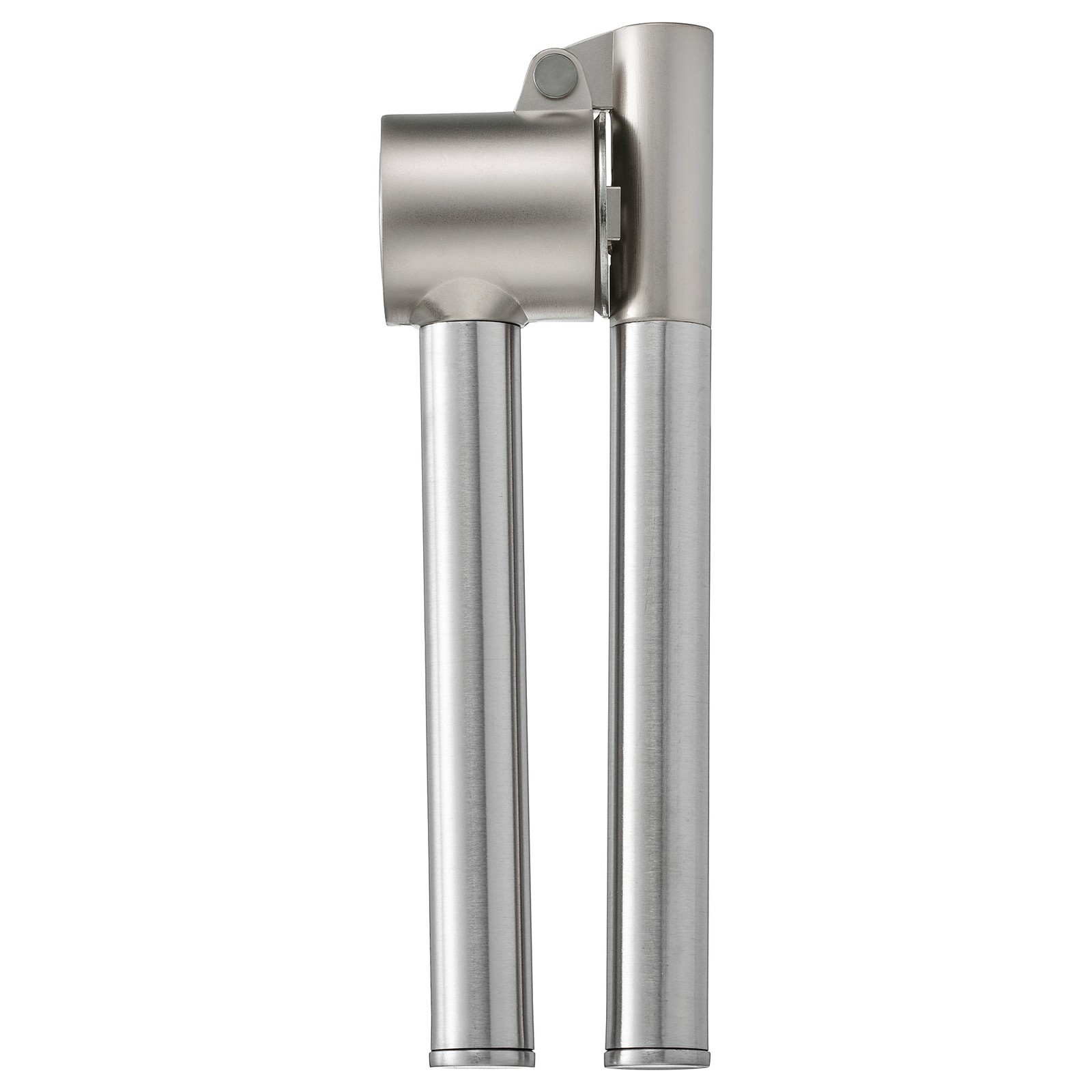
My father asked me if I wanted to do anything about the stuff. Was there anything special that I wanted to save? I tried to remember what exactly was in our boxes. It was all a blur. The only thing that popped in my mind was my wonderful Ikea garlic press that I dearly missed. But the thought of my dad going through all the kitchen boxes for just one item was overwhelming.
At the time, I was busy packing our current house yet again to move to another city in New Zealand. I thought I probably would have some time to think and decide about the stuff back in Turkey. They wouldn’t go in all that trouble of throwing stuff out in the middle of a pandemic, would they? Some time passed. And then, one day, it was too late. My dad said everything was gone already!
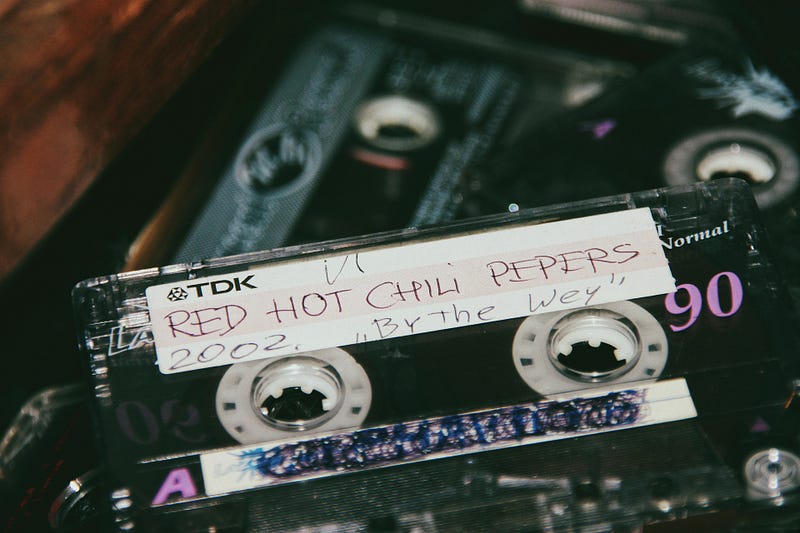
I didn’t know how to feel, it was confusing. There was definitely a burn at the back of my throat. Everything? My 35-year-old tapes? My children’s classics? My garlic press too?
On one hand, I hate it when perfectly good and usable items go to landfill. (They probably didn’t.) At the same time, I felt guilty for regarding them as “usable items”. They were part of my soul!
But, on the other hand, I can’t deny that I also felt relief. I would never have to think about those things again! Other than my garlic press, maybe.
In the end, it is a positive feeling. Maybe living with my partner’s clutter made me more aware of how soul-wrenching “stuff” actually is. I also read Marie Kondo and Flylady.
Flylady says the real reason we like vacations is the lack of clutter:
Let’s say you rent a condo at the beach. It has a small kitchen, two to three bedrooms, a living area, a balcony, a couple of bathrooms and empty closets. The same thing for a house at the lake or a cabin in the woods; they have all the conveniences of home without ALL YOUR CLUTTER!!!
Oh it’s not clutter, it is your stuff, I can hear you yelling at me. Well your stuff makes you feel like you need to leave home to breathe. So what does that tell you? Your stuff is killing you. You are uneasy in your own home. Another word for uneasy is disease. Get it?? Your house has become a storage unit for your stuff, not a home.
Losing all my books were a source of guilt. But I had been away from them anyway. Since I couldn’t carry enough Turkish books to New Zealand, I had already switched to Kindle.
Marie Kondo has an interesting take on keeping books. In The Life-Changing Magic of Tidying Up, she says that when you meet a book and you are interested in it, a time window opens for it. You need to read it while you are still interested. If you leave it on your bookshelf (read, half-read or unread), after a certain time the window shuts again. Your interest fades away and you never want to interact with the book again. After a while, you stop noticing it and it becomes invisible. Yet, if you give that book away when it no longer sparks joy, there is a bigger chance for you to meet the book again and the window to reopen. So she suggests keeping only the most current books you are still interested in, and the very rare, special books that you always go back to.
I completely agree that you have to meet books on your own time and read them while you are actively interested. When I got pregnant, a good friend of mine gave me a stack of books to read about pregnancy and baby care. I thanked her and checked the books out. Then I put them on the shelf and forgot about them.
At the same time, I had lots of specific questions in my mind. I regularly googled certain topics, read lots of blog posts. Some posts that I liked suggested certain books. Then I began searching for those books. I could find very few of the books at the local bookstore. Most books were hard to find in Turkey. Some of them needed to be ordered from overseas and shipment was ridiculously expensive.
I remember one time I tried to find the e-book version of a book to no avail. Then, I realized the book I was looking for was sitting on my shelf the whole time. It was one of the books my friend had given me months ago but I hadn’t paid enough attention to it because I hadn’t met the book through my own interest. Instead, it was handed to me freely and it became a chore. I realized the value of the book only when I reached it through my own research.
Now I am a Marie Kondo supporter when it comes to books. I no longer keep books on my shelves other than my current reads and the books that I am actively interested in. Losing my old library, even though it was sad, wasn’t entirely a bad thing. Those unread or half-read books will no longer cause me stress and guilt. And when one of them gets caught under my radar again, I am free to get it again and this time read it with full interest.
I know clutter-free life is not for all of us. We want our knick-knacks, old photos, sentimental items. And it hurts to lose them. But I am here to tell you, it’s not the end of the world. So why not open some breathing space for yourself by deliberately getting rid of some of the non-urgent stuff? Just a thought.