

All About Man-In-the-Middle (MITM) Attacks
Don’t let anyone get between you and your network.
Cyber threats seem to be everywhere. Viruses, malware, ransomware, and phishing all receive a lot of attention, but risk often overlooked is a Man-In-the-Middle (MITM) attack. This is despite the alarming fact that they are one of the most prevalent threats out there.
What is a Man-In-the-Middle attack?
A MITM attack is essentially an eavesdropping situation in which, as it sounds, a third party secretly inserts itself into a two-party conversation to gather or alter information. Unauthorized access can occur because of inadequate network protections, phishing, or lousy user habits. When MITM malware installs itself onto your computer or network, it gains the ability to spy on and record sensitive information.
MITM malware is also sometimes responsible for altering information between servers. For example, if an employee logs onto a network using their usual username and password, the MITM software could change that information and lock the employee out of their account. The malware can go on to further infiltrate, steal data, or in cases where the hijacked account has access to finances, assets such as money or goods.
Speaking of finances, by using MITM tools, a hacker could spoof a DNS address for a bank and reroute employee attempts to log in to a legitimate bank account and send those login attempts to a fake site. From there, account usernames and password data can be collected for later (or immediate) exploitation.
MITM attacks within your network have the potential to cause serious trouble. Here are some methods for handling Man-In-the-Middle situations.
Detection as a first line of defence
Detection is one of the best ways to protect yourself from MITM attacks. Unfortunately, detection can be tricky sometimes. The most effective way to handle security breaches would be to avoid allowing a MITM attack to begin at all. This means putting up a proper defence.
An intrusion detection system (IDS) is an excellent place to start. An IDS will watch over your network, and should unauthorized entities infiltrate the traffic flow, send you an immediate alert. While some users have noted that IDS will occasionally send false alerts and be tempted to turn off the system, a false alarm is better than no alarms. For that reason alone, an intrusion detection system should be allowed to continue running. As smart computing and artificial intelligence improve, notifications will become more reliable and timely — leading to greater security overall.

Best email security practices
A common way for MITM attacks to occur is through phishing expeditions. Malicious hackers employ fraudulent emails to trick recipients into downloading files or clicking links, which then install dodgy malware onto the victim’s computer or network.
You should always be wary of any email that asks you to reply with sensitive login info or download unknown files. Examine the source email addresses to see if they’re correct. Check for misspellings of well-known sites such for example, eBai.com or Amezon.com. If you spot something like this, delete that email right away!
Similarly, it would help if you cast a suspicious eye on unexpected text messages. No financial institution or utility is going to require sensitive information via text or email. Smartphones are a frequent target for MITM attacks, so respond with care to any messages that seem suspicious.
Avoid using public networks
Discretion is good advice anytime you’re working with sensitive information. By avoiding the use of public networks, you deny hackers the opportunity to place their malware into your communications path. If you’re going to use a public network or WiFi, limit your activities to less security-conscious pursuits such as general web surfing, news, or viewing entertainment media.
Adopting a virtual private network (VPN)
VPN’s built-in encryption adds more layers of protection when it comes to how people access your company’s networks. One of the best uses for a virtual private network involves remote employees who need to connect through a WiFi network. A VPN keeps that connect more secure — even over a third-party WiFi connection.
Furthermore, VPNs allow you to monitor and audit all activity. If suspicious network behaviour occurs, you are in a better position to trace the problem’s cause and put a stop to it.
Strengthening your inhouse network
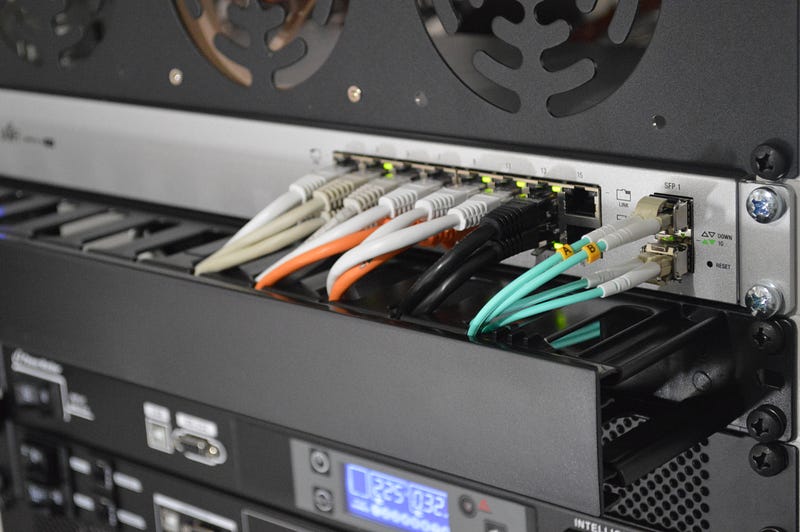
If using a VPN to stay secure while using WiFi makes good sense, then taking steps to protect your inhouse network makes even more sense. Robust firewalls, end-to-end encryption, two-step authentications, and smart auditing are all processes you should adopt. These steps will help keep outside parties from gaining access to your systems and inserting the nefarious tools used for MITM attacks.
Don’t let a MITM attack bring you down
Staying vigilant and taking pre-emptive measures will go far in protecting your business’s network from MITM exploitation. Staying on top of the latest news involving cyber threats is an effective way to protect yourself, your company, and your clients.
Thank you for reading. I’d love to share more with you via my Weekly Word Roundup newsletter sent to subscribers every Sunday. It will feature news, productivity tips, life hacks, and links to top stories making the rounds on the Internet. You can unsubscribe at any time.


