
Alien hand, Werewolf, Vampire in reality!
There are different opinions about fictional characters but I will discuss fictional syndromes that really exist.
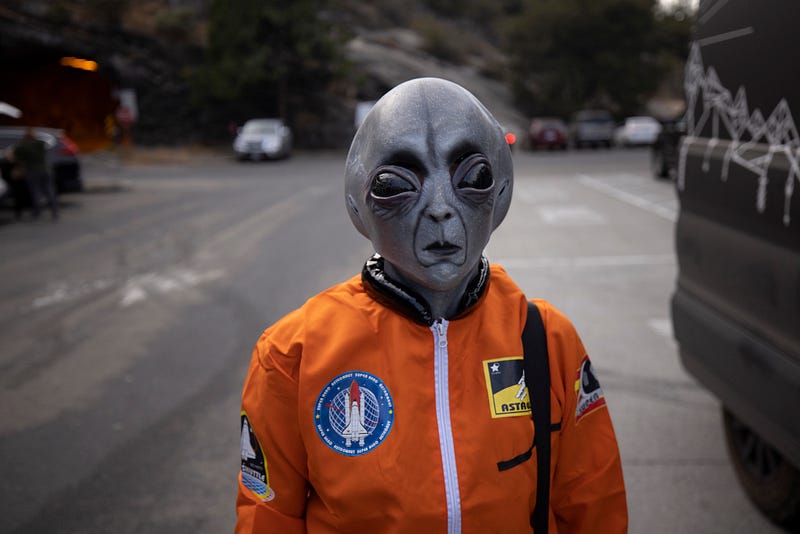
· Alien hand syndrome, or Dr. Strangelove syndrome! · Werewolf Syndrome! · let’s talk about vampires!
Alien hand syndrome, or Dr. Strangelove syndrome!
It is an interesting situation in which a person loses control of his or her hand, and starts to act independently.
With "alien hand syndrome," the hand isn’t under the control of the mind and moves as though it has its own mind. The affected hand feels foreign to its owner during these episodes and seems to move deliberately to carry out tasks that are unintentional.
The first known case described in the medical literature appeared in a detailed case in 1908. A right-handed woman had suffered a stroke affecting her left side, from which she had partially recovered by the time she was seen. However, her left arm seemed as though it belonged to another person, and performed actions that appeared to occur independently of her will.
The patient complained of a feeling of “strangeness” in relation to the goal-directed movements of the left hand and insisted that “someone else” was moving the left hand, and that she was not moving it herself. When the left hand grasped an object, she could not voluntarily release it.
The hand may touch your face, button a shirt, or pick up an object, sometimes repeatedly or compulsively. The alien hand may also levitate on its own. The hand may also engage in self-oppositional actions such as closing a drawer that the other hand just opened or unbuttoning a shirt that you just buttoned. The alien hand is uncooperative and may perform incorrect actions or fail to follow commands.
Alien hand syndrome usually affects the left, non-dominant hand. In a few cases, the alien hand has been reported to try to harm the individual.
Alien hand syndrome can be caused by several factors. Some people develop alien hand syndrome after a stroke, trauma, or tumor.
Alien hand syndrome is a rare neurological condition that causes one hand to act of its own free will. Sometimes one leg is affected, though this isn’t as common.
There is no cure for alien hand syndrome.
The condition may be managed using muscle control therapies, cognitive therapy techniques, and learning task behavioral therapies that can help manage symptoms.
Sometimes the individual will try to restrain their alien hand by holding it under their legs or sitting on it. Some people may find that it’s helpful to hold an object in the alien hand to prevent it from performing tasks.
After this, do you believe that aliens don’t exist?
OK.
There is more information below.
Werewolf Syndrome!
Hypertrichosis, also known as werewolf syndrome, is a condition characterized by excessive hair growth anywhere on a person’s body.

The abnormal hair growth may cover the face and body or occur in small patches.
It’s a very rare disease. It can be congenital or acquired.
Congenital hypertrichosis may be caused by the reactivation of genes that cause hair growth.
Acquired hypertrichosis may have several origins. When hair growth is everywhere or in random patches, possible causes include:
- Porphyria Cutanea Tarda, is a condition in which your skin is especially sensitive to light.
- Malnutrition.
- Diet or an eating disorder.
- Cancer.
- Certain drugs
Treating hypertrichosis involves the removal of hair through a variety of short-term methods. They include shaving, chemical epilation, waxing, plucking, and hair bleaching.
All of these methods are temporary solutions. They also run the risk of causing painful or uncomfortable skin irritation. And on some parts of your body, these treatments aren’t easily done.
Long-term treatments include electrolysis and laser surgery.
Electrolysis is the destruction of individual hair follicles with small electrical charges.
Laser surgery entails the application of a special laser light to multiple hairs at the same time. Hair loss can often be permanent with these treatments, though you may need a few sessions to complete the job.
And even after that, you don’t believe in werewolves?
OK.
let’s talk about vampires!
Porphyria Cutanea Tarda (PCT) is a type of blood disorder referred to colloquially as "vampire disease" because people with this condition often experience symptoms following exposure to sunlight.

Most of the symptoms of Porphyria Cutanea Tarda appear on the skin. Common manifestations:
- Photosensitivity, which means your skin is sensitive to the sun.
- Thin or fragile skin.
- Increased hair growth, usually on the face.
- Redness, swelling, or itching of the skin.
- Hyperpigmentation, which means patches of skin become darker.
- Urine that is darker than normal or reddish-brown.
- Liver damage.
Porphyria cutanea tarda (PCT) typically is acquired rather than inherited, Certain triggers, such as too much iron in the body, liver disease, estrogen medication, smoking, or excessive alcohol use, can cause symptoms.
Although there’s no way to prevent porphyria, if you have the disease, avoid triggers to help prevent symptoms.
And after that, everything is in your hands, whether you believe it or not. Maybe aliens, vampires, and werewolves don’t exist, but there are syndromes associated with them.
Use my referral link to sign up on medium and you will get access to unlimited stories If you sign up using my link, I’ll receive a small commission (at no extra cost to you).
Anyway if you are reading this thanks for your support. I appreciate it.
Wish you health, stay positive and make your day valuable.
References:
[1] en.wikipedia.org/wiki/Alien_hand_syndrome
[2] healthline.com/health/alien-hand-syndrome#diagnosis
[3] healthline.com/health/porphyria-cutanea-tarda#symptoms
[4] mayoclinic.org/diseases-conditions/porphyria/symptoms-causes/syc-20356066


