
“Alias”: 20 Essential Episodes for Its 20th Anniversary

20 years ago last week, Alias premiered on ABC. The spy series mixed extravagant action, elaborate mythology, and heartbreaking character dynamics exquisitely and helped propel the careers of creator J.J. Abrams and stars Jennifer Garner and Bradley Cooper into the stratosphere. Here, I reflect on the show and its legacy.
Alias had a remarkably complex setup, particularly compared to the television dramas that were dominant when it hit the airwaves in the Fall of 2001. The series followed Sydney Bristow (Jennifer Garner), a young woman pursuing a doctoral degree in literature who was recruited by a black ops division of the CIA.
Or so she thought.
In the series’ emotionally wrenching and thrilling premiere, she discovered that the organization she was working for was actually a terrorist cell called SD-6 that was in fact posing as a black-ops division of the CIA. After her employers brutally assassinated her fiancee, she turned herself over to the real CIA, offering to be a double agent and bring down SD-6 from the inside. When she did, she discovered that her estranged father Jack (Victor Garber) was also a double agent working for both the SD-6 and the CIA. What followed was 104 episodes of elaborate missions across the globe, shocking betrayals, vast conspiracies, breathtaking romance, and a healthy dose of humor.
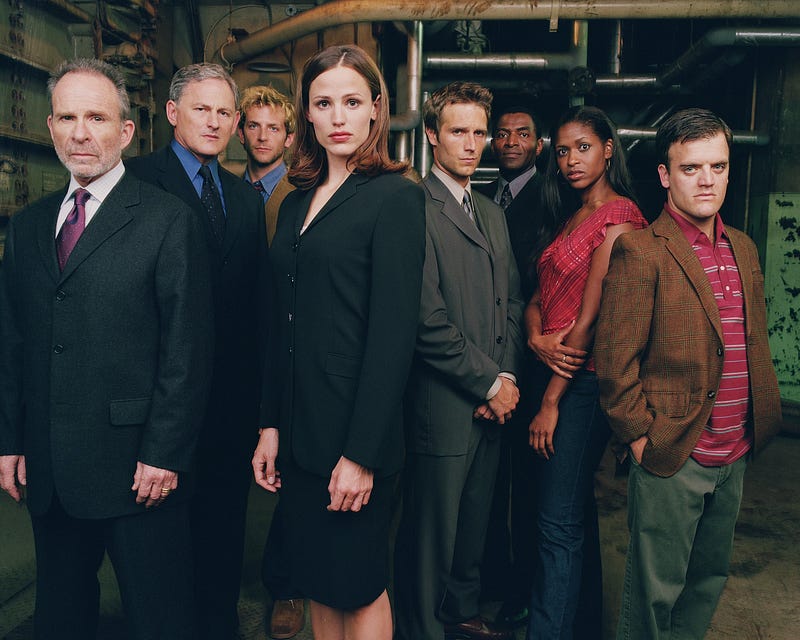
I have watched the entire series of Alias three times. The first time was during its original run on ABC from 2001 to 2006. The show was a favorite among my college friends and we hosted viewing parties for each episode in the dorms (and, interestingly, the series finale aired one day after our graduation). I then re-watched the series on DVD in its entirety from 2007–2008, which provided me endless entertainment as I navigated my new (and somewhat lonely) post-college life. Then, just last year, I rewatched the series on Amazon Prime in parallel with one of my best friends who had never seen the series. It was an absolute delight to be able to share the wonders of the series with an uninitiated friend and it provided endless entertainment during that exceedingly painful year. Each of these three viewings of the series’ 105 episodes led me to the same conclusion — Alias is one of the best television series of the 21st century.
Almost every episode of Alias simultaneously accomplished three goals. The first goal was moving viewers through the ever-evolving characters and their interpersonal relationships. There was so much profound emotional depth and nuance to the series’ characters that it oftentimes felt like a prestige drama series masquerading as a sexy spy thriller. The second goal was wowing viewers with thrilling missions. The average episode had at least one spy mission that combined elaborate production design, costumes, makeup, and hairstyling with terrific cinematography, impressive stunt work, pulsating soundtrack, and expert editing. The third goal was to keep viewers hooked through world-building. Even by the end of the pilot episode, there was a breathtakingly vast conspiracy that expanded significantly throughout the show’s run, not to mention a fully-fledged mythology. The fact that nearly every episode accomplished all three goals in under 44 minutes is a testament to the series’ remarkable ambition.
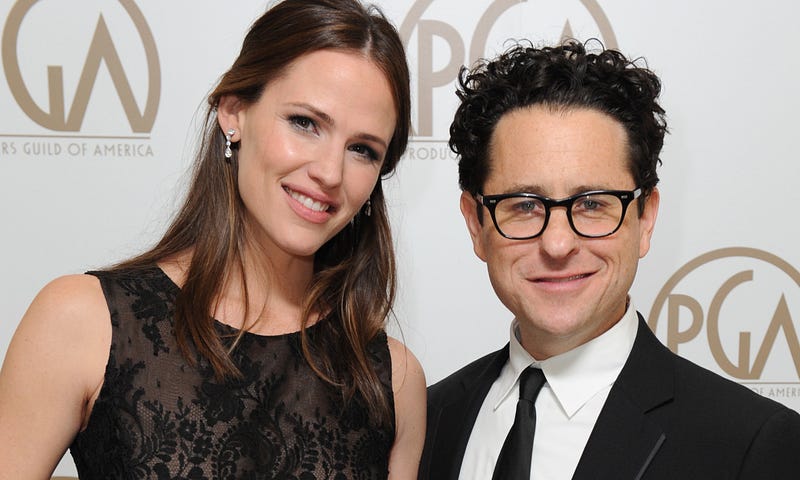
The genre-defying series was the brainchild of the now-legendary J.J. Abrams. At the time, he was best known for creating the cult classic drama series Felicity and co-writing films like Armageddon. He has had an astonishing array of hits since Alias premiered, including the television series Lost and Fringe and blockbuster films like Mission: Impossible III, Star Trek, Star Trek Into Darkness, Star Wars: The Force Awakens, and Star Wars: The Rise of Skywalker.
The sterling cast was led by Jennifer Garner and Victor Garber as Sydney and Jack, respectively. Other major characters include Sydney’s love interest/CIA handler Michael Vaughn (Michael Vartan), her arch-nemesis/SD-6 director Arvin Sloane (Ron Rifkin), her best friend/reporter Will Tippin (Bradley Cooper, in his first major role), her other best friend/roommate Francie Calfo (Merrin Dungey), her SD-6 partner Marcus Dixon (Carl Lumbly), and SD-6’s top technician Marshall Flinkman (Kevin Weissman). Later seasons introduced a bevy of other memorable characters including Sydney’s mother Irina Derevko (Lena Olin), charming CIA agent Eric Weiss (Greg Grunberg), smoldering criminal mastermind Julian Sark (David Anders), and Sydney’s half-sister Nadia (Mia Maestro). The series also had a fantastic lineup of guest stars that included Angela Bassett, Faye Dunaway, Quentin Tarantino, Isabella Rosselini, Justin Theroux, Djimon Honsou, Amy Irving, Joel Grey, and Ricky Gervais.
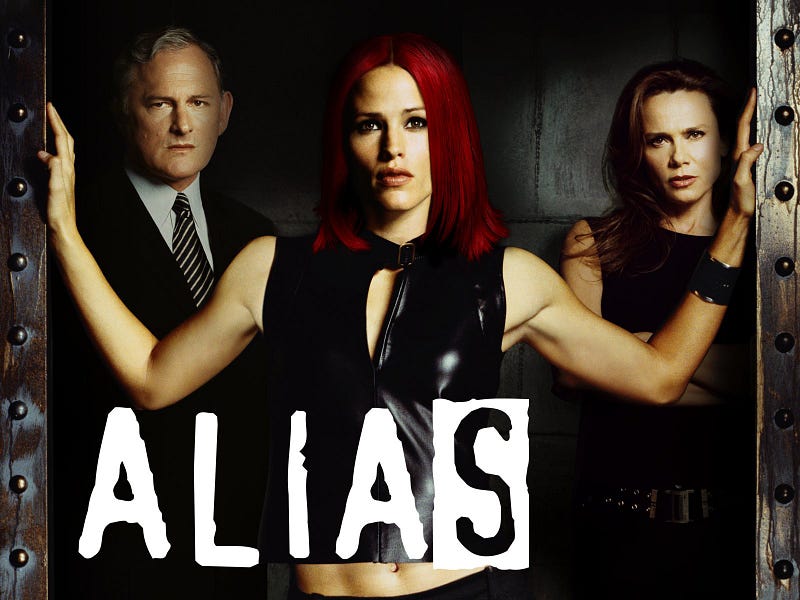
The acting was uniformly superb, so much that it was utterly jarring when the occasional guest star turned in a mediocre performance. In the course of any given episode, Jennifer Garner was required to don a sexy outfit and thick accent, engage in an elaborate fight scene, break down in quiet moments of wrenching despair, and have remarkably intense showdowns with family, coworkers, and enemies. The role had an incredibly high degree of difficulty and she never once struck a false note across 105 episodes. Although his role required a bit less range, the slow erosion of Victor Garber’s steely facade as the series progressed was never less than fascinating to watch. As the unfathomably despicable arch-villain, Ron Rifkin’s chilling performance astoundingly averted camp no matter how close the plot led him to it. The smoldering Michael Vartan was so charismatic and sexy that it is astonishing that he didn’t have a bigger post-Alias career. In contrast, Bradley Cooper did ascend to the A-list and his goofy, big-hearted, and wide-eyed portrayal gave us all the evidence of his star potential that Hollywood needed. The brooding Carl Lumbly was equally adept at quiet devastation and electrifying confrontation. Kevin Weisman’s twitchy tech genius was virtually always the show’s comic relief and when the script asked him to go deeper, he consistently knocked it out of the park. Although her role significantly decreased (and took a bizarre turn) as the show went on, Merrin Dungey was as charming and skilled as she has been in the countless screen credits she has had since. And then there’s Lena Olin. As Sydney’s presumed-dead mother Irina, she crafted a performance so mysterious, layered, and alluring that it looms large over the entire series despite the fact that she only appeared in less than 25% of the show’s episodes. Hers remains one of my favorite television performances of all time.
The series evolved significantly over the years, with most changes being organic, talent-driven decisions. Such developments included the rapidly evolving and expanding plot lines, the ever-increasing complexity of the family dynamics, and the incorporation of significant science fiction elements as the show’s run progressed. Other changes were network-imposed and those were more of a mixed bag. ABC clearly asked them to perform a soft reboot of the series and simplify the remarkably complex plot when they gave it the prime spot after Super Bowl XXVII. Similarly, ABC instructed the show to invest in stand-alone episodes as the show moved from its Sunday evening time slot to its prestigious post-Lost berth on Wednesdays in 2004. The result from the former was one of the most stunning, game-changing twists in television history while the results of the latter led to major shifts in plot and pacing in the first half of the 4th season that worked less well. And then there was the influx of new characters in the show’s final season that made it quite apparent that a never-to-materialize spinoff was being considered. The show was certainly not without its missteps, with some narrative dead-ends, unappealing character additions, and plot twists that went beyond the ludicrous. But every single time it seemed that the show has written itself into a corner or jumped the shark, it somehow manages to get back on track stunningly.
Alias premiered on ABC on September 30, 2001. For historical context, the show premiered 19 days after the 9/11 terrorist attacks and a few weeks before the debut of another legendary CIA-themed show, 24. It premiered after Survivor but before American Idol, just at the cusp of when the Big Four networks were falling prey to the reality television craze. The top shows on television at the time of Alias’s debut were Friends, CSI, ER, Everybody Loves Raymond, and Law & Order. A high concept, genre-mixing serial was a major anomaly at the time, one that fans and critics were thirsty for.
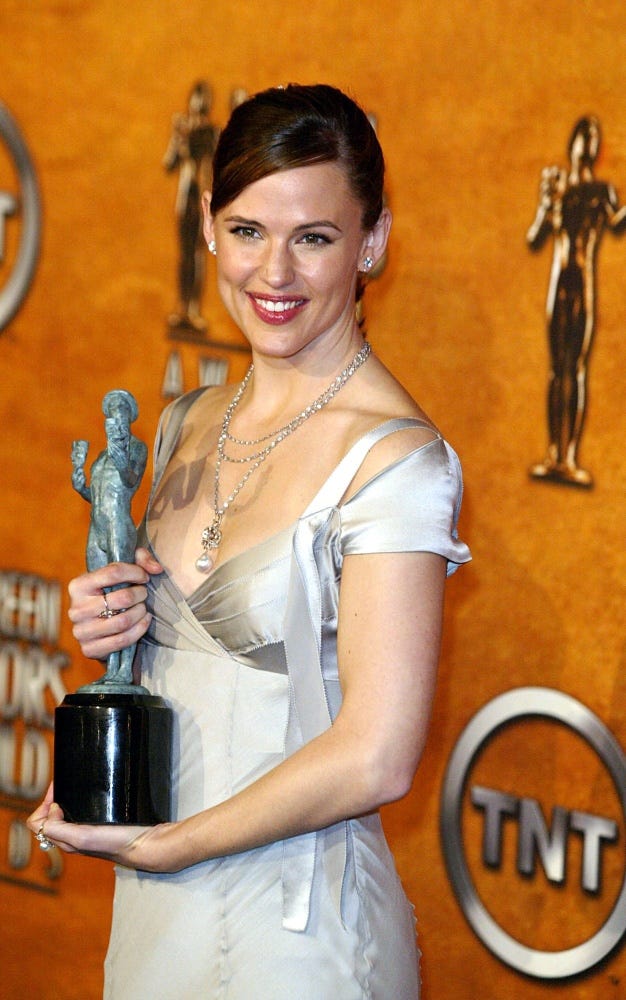
The show was highly respected during its run. For her role as Sydney Bristow, Garner received the Golden Globe for Best Actress in 2002 and the Screen Actors Guild Award for Best Actress in 2004. The show received several major Emmy nominations, with Garner, Garber, and Olin nominated for a combined 8 Emmys for their performances and JJ Abrams being nominated for writing the series’ pilot. Although it was never a massive hit in the ratings, it performed respectably and developed a passionate following among its fan base. The series also spawned a number of tie-ins, including a series of 25 books, a video game, a board game, and much more. And, of course, it helped launch Jennifer Garner, Bradley Cooper, and J.J. Abrams to the A-list and provided career revitalizations for veterans like Victor Garber, Ron Rifkin, and Lena Olin.
In anticipation of the show’s 20th anniversary, I reflected on what the best way to honor the series’ legacy was. I ultimately decided that the bet way was to highlight the best episodes of the show’s run and through my reviews of them underscore what made and kept the show so great for its five-year run.
20 Essential Episodes of Alias
[Author’s Note: The following episode reviews contain extensive spoilers. If you have not seen the series and wish to, I highly recommend that you bookmark the article and return to it at a later time.]
“Truth Be Told (Pilot)” (Season 1). This brilliant 66-minute episode is one of the best pilot episodes ever produced. It sets up the absolutely stunning action sequences, the brutally raw emotion, and the complicated and ever-changing loyalties of the characters that would become the hallmarks of the series. The episode belongs to Jennifer Garner, who shows more range and versatility in this episode than most actresses do in an entire season — or series. (This episode’s loss of the Writing, Directing, and Lead Actress Emmys is almost entirely unjustifiable.) Although the soundtrack, punctuated by emo laments and techno pop feels dated, none of the rest of it does. It still plays as rivetingly, urgently, and emotionally effectively as it did in 2001.
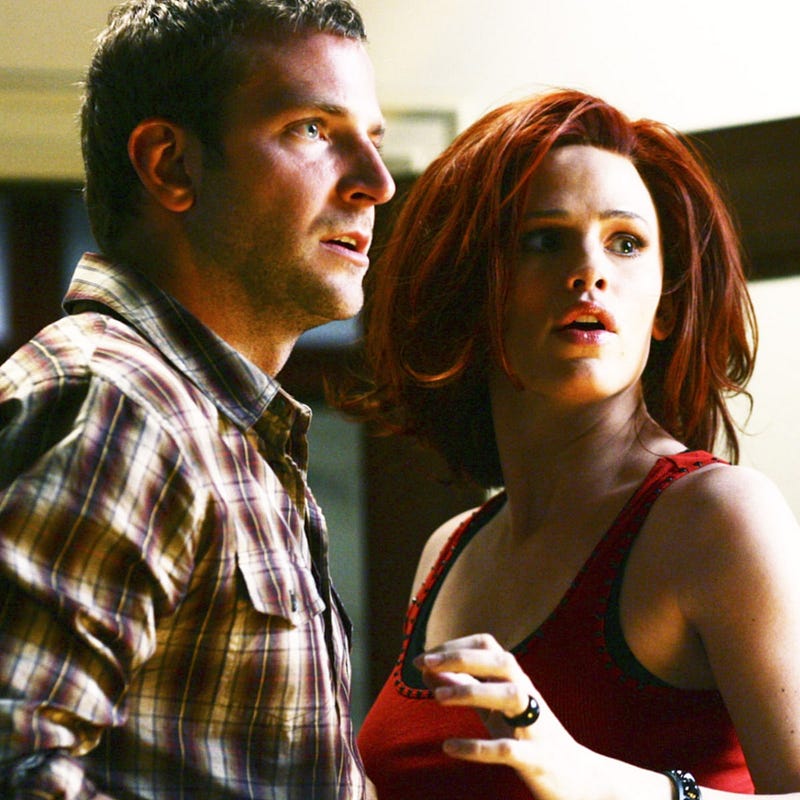
“A Broken Heart” (Season 1). The series’s fourth episode set the gold standard for Alias’s single greatest strength as a television series — the absolutely wrenching emotional dynamics of the characters. Jack’s rejection of Sydney at dinner and Sydney’s subsequent breakdown with Vaughn by the Santa Monica Pier (set to the haunting strains of Sarah McLachlan’s “Angel”) are two of the best moments of the first season. The performances by Vartan, Garber, and especially Garner are exquisite. The episode also features numerous impressive action sequences, including memorable ones in a Spanish chapel and a Morroccan market. This episode juggles an incredible amount of diverse elements in the span of 44 minutes but somehow pulls it off with aplomb.
“Color-Blind” (Season 1). This classic episode is less action-packed and plot-stuffed than most in the first season, effectively narrowing the focus onto a couple of major plot lines and having numerous quieter, emotional moments. John Hannah gives an Emmy-worthy guest performance as SD-6 assassin Martin Shepard and the revelation regarding his character’s connection with Sydney is heart-wrenching. The subplots prominently feature Jack, who has an epic showdown with Vaughn and a vulnerable mea culpa with Sydney, providing a great showcase for Garber’s tremendous range.
“Almost Thirty Years” (Season 1). The jaw-dropping revelation that Sydney’s mother is not only alive but also the mysterious criminal mastermind Sydney has been hunting sets up the second season beautifully and is a nearly perfect cap to a nearly perfect season. The entire episode is filled with memorable character moments, as Dixon finally confronts Sydney about her suspicious behavior, Will breaks down, and Vaughn professes his loyalty to Sydney.
“Passage (Parts One and Two)” (Season 2). This masterful two-parter significantly advances and enhances two of the show’s plot lines — Will’s work with Vaughn and the mysterious blackmail of Sloane— while giving the viewer what they had been waiting the past seven episodes for: the dysfunctional Bristow clan of Jack, Sydney, and Irina finally sharing screen time in a meaningful way. They go on a spectacular mission together that has some high-stakes action and minimal camp (save a genuinely hilarious scene at passport control). Watching their family dynamic play out is fascinating and every time Olin is on screen with Garber or Garner (or both) the episode reaches dizzying heights. The bittersweet and utterly beautiful ending with Sydney miniature golfing with her real family (Will and Francie) as Vaughn looks on is one of the most poignant moments from the show’s run.
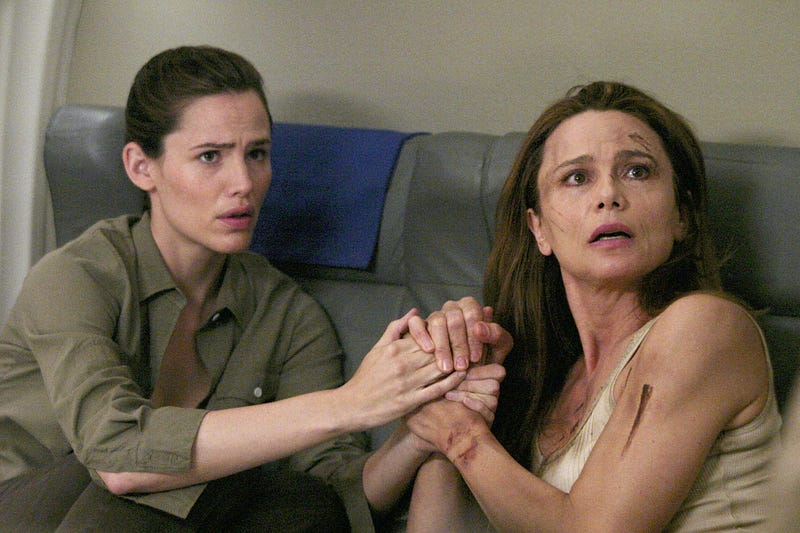
“The Abduction” (Season 2). Oscar-winning film legend Faye Dunaway begins her juicy, scenery chewing three-episode guest arc on this bona fide classic. The episode begins with Sydney and Irina making a wrenching attempt at emotional intimacy and gives Marshall an all-too-rare focus that allows Kevin Weisman to display his impressive range. As good as the actors are, however, the real standouts of this episode are its writers. Each storyline is handled with remarkable skill and the dialogue has never been crisper.
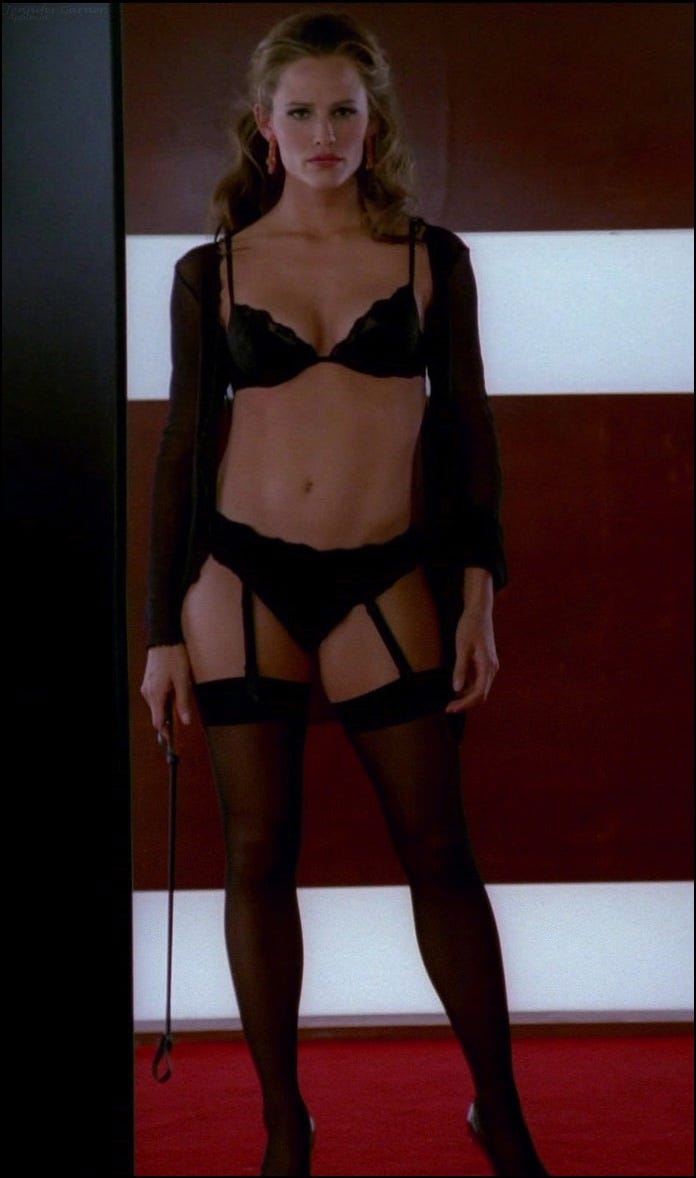
“Phase One” (Season 2). At the risk of slipping into hyperbole, this epic, game-changing, post-Super Bowl episode Alias is one of the finest and most satisfying hours in television history. The episode literally changes everything in the Alias universe with shocking twists and electrifying emotionality. From the sexually charged opening sequence that gratuitously appealed to football fans without feeling like a cheap ploy to the stunning takedown of SD-6 that culminated in Sydney and Vaughn’s passionate first kiss, every scene is heart-pounding, jaw-dropping brilliance. And that’s all before the genuinely mind-blowing epilogue. The writing, directing, and acting are nothing short of brilliant.
“A Dark Turn” (Season 2). This riveting episode delves into Alias’s most underutilized asset — Irina Derevko. As she tearfully confesses to Sydney that she loves her, apologizes to Jack (and passionately kisses him), and is cleared in Vaughn’s off-the-books investigation, she concocts a brilliant escape plan that forces viewers (and the show’s central characters) to second guess everything they thought they knew about one of the most complex characters in television history. Lena Olin pulls it off brilliantly and the rest of the cast — especially Garner, Garber, and Vartan — do outstanding work.
“The Telling” (Season 2). The best of the series’ 105 episodes is arguably the greatest season finale ever filmed. Everything in this episode works to perfection. Interesting character pairings provide bittersweet moments that break up the action, of which there is plenty. Lena Olin and Merrin Dungey exit the series (at least temporarily) in two of the most satisfying and elaborate action sequences the show has done to date and turn in terrific performances. Although the entire episode is heart-pounding perfection, it is truly in the epilogue that the episode achieves its brilliance. The scene, in which Vaughn responds to Sydney’s phone call with a visit to the safe house where he informs her that she has been missing for two years if flawlessly performed by Garner and Vartan. It is among the most stunning and effective twists television has ever accomplished.
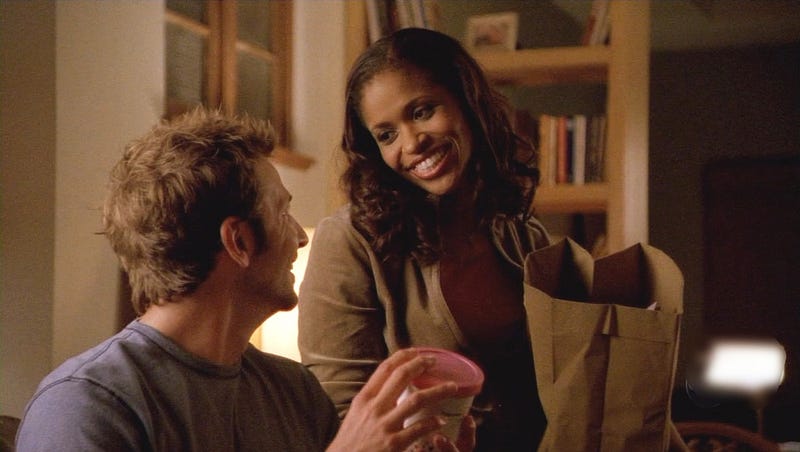
“The Two” (Season 3). It was a tremendously difficult task to follow the masterful Season Two finale, but this episode does so exquisitely. The episode picks up the instant that episode left off and begins to fill us in on what several of the characters have been up to during Sydney’s missing two years. Jack is in jail, Marshall is having a baby, Dixon got a promotion, and Vaughn is now retired, married, and teaching French. There are multiple revelations throughout, particularly the final scene in which Jack shows Sydney footage of her assassinating a Russian diplomat during the two years she was missing. But this episode is primarily notable for being Garner’s greatest performance on the show. She is a mixture of dumbfounded, heartbroken, enraged, vulnerable, and devastated throughout and never strikes a false note. Her “I would have waited” speech to Vaughn should have won her an Emmy, as well as Abrams one in writing.
“A Missing Link” (Season 3). This spellbinding episode follows the mission that takes Sydney back into the arms of Simon Walker (Justin Theroux), who apparently was a close colleague during her missing two years. The episode is filled with classic elements, including (but not limited to) Vaughn’s showdown with his new wife, Theroux’s menacing portrayal of Simon Walker, one of the sexiest getaway ever seen on television, and Sydney’s brutal stabbing of Vaughn in the show’s final moments. It’s a spectacular cliffhanger that works. Sure, we know Vaughn isn’t dead but seeing what happens next will be tantalizing and the raw pain of Sydney’s final words to him works on multiple levels.
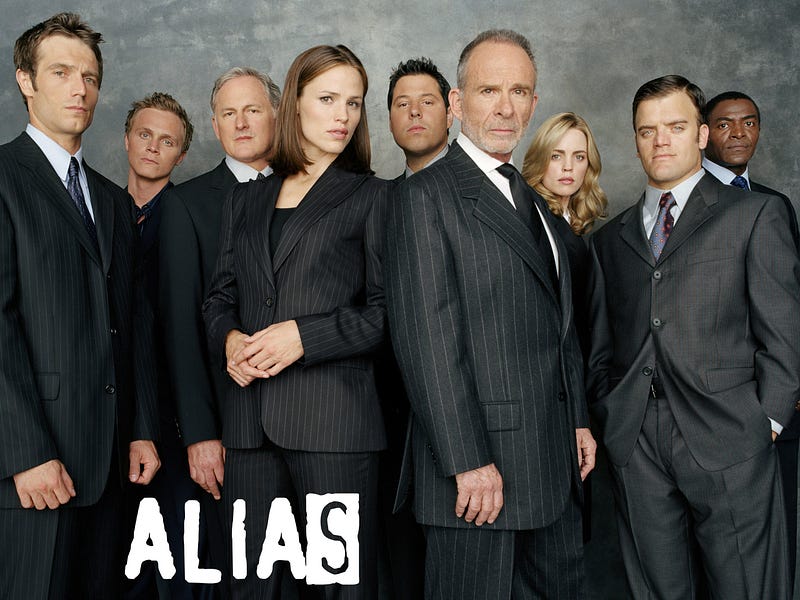
“Breaking Point” (Season 3). The three parallel stories all work brilliantly together in this Season Three highlight. The first is Sydney’s wrenching imprisonment by the National Security Council, which is heightened by an absolutely chilling turn by Pruitt Taylor Vince as her neighbor in the next cell. The second is the CIA director’s blackmail of Vaughn’s wife, which plays out rivetingly. The third is Vaughn, Jack, and Sloane’s mission with Richard Roundtree (aka Shaft!), which is one of the most delightfully and entertaining moments of Season Three.
“Authorized Personnel Only (Parts One and Two)” (Season 4). This is the third episode of the series (following “Phase One” and “The Two”) where the entire world of Sydney Bristow is upended. And, again, the plot is rebooted with remarkable success as the fourth season premiere trims away everything that was wrong with the back half of the prior season. The stunning opening action sequence on a moving train is brilliantly conceived and the plot twists that rapidly unfold are highly effective. As a CIA Director who starts her own black ops division of the CIA staffed by Sydney & Co., Angela Bassett is as powerful and flawless as she always is. The conclusion of this action-packed season premiere is another strong outing that benefits from slightly less action (despite the fantastic sword fight in the slaughterhouse) and more emotion as the truth behind what Sydney discovered in the safety deposit box in the prior season finale is revealed. This two-part opener marked a stunning return to form — even if it’s not entirely clear why transferring the gang to a new black-ops division was necessary.
“Nocturne” (Season 4). One of the few truly successful episodes in Alias’s experiment with stand-alone episodes is this haunting one, which starts off with an agent’s bizarre suicide and a terrifying attack on Sydney that is one of the most graphic, jarring action sequences the show has ever filmed. However, the episode quickly moves beyond jump scares and gore and becomes something much richer. Whereas most shows would have had Sydney’s descent into madness and paranoia for sheer shock value, the writers do something much more complicated, using Sydney’s deteriorating state to expose her deepest fears regarding the people in her life, ranging from the inevitable to the irrational. Garner does truly exceptional work and by the end of the episode we are as thrilled as we are haunted by the closer insight we have gained into Sydney Bristow. Solidifying this episode’s greatness is the excellence of its sole subplot: Sloane and Dixon’s long-awaited showdown. Dixon’s final speech is one of Carl Lumbly’s finest moments on the series.
“Tuesday” (Season 4). By far the high point of the somewhat uneven fourth season, this episode is one of the series’ very best. The show sidelines some of the season’s more plodding and unsatisfying elements in favor of showcasing one of its most riveting missions ever. When Sydney is buried alive, Garner is more vulnerable than we have ever seen her. What makes the episode brilliant, however, is the fact that a series of clever and surprisingly believable plot twists render Marshall the only person who can save her, allowing Kevin Weisman to do arguably his best work of the entire series. Book-ended with beautifully executed moments featuring Sydney and Vaughn dancing and Marshall’s domestic bliss with Carrie and Mitchell, this witty, riveting, and heartbreaking outing stands among the show’s best episodes.
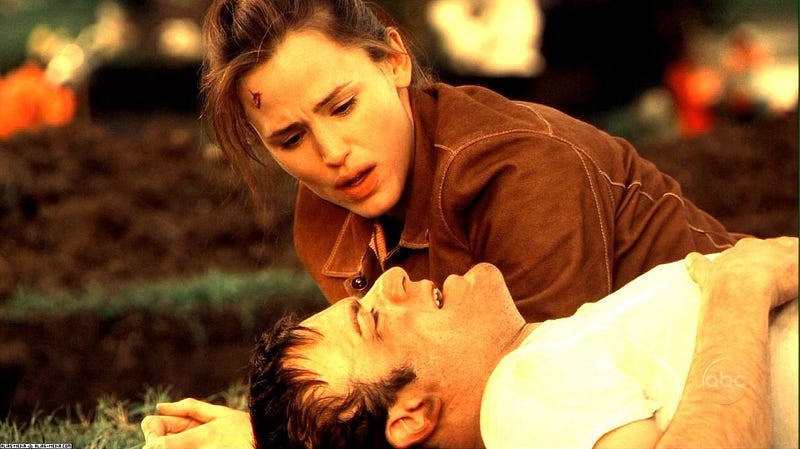
“The Horizon” (Season 5). This game-changing episode stands on its own as a brilliantly acted, written, and directed outing, but is made even more special by its incredible attention to details of the show’s past, present, and future that render it a profound gift for those who have been loyal fans from the beginning. Sydney is kidnapped and subjected to memory-retrieval techniques by her captors and, in a stunning homage to brilliant Oscar-winner Eternal Sunshine of the Spotless Mind, has to retreat through her most notable memories (and some of the greatest moments in the show’s history). The purpose of the journey is to retrieve a piece of information Vaughn once shared with her that she did not appreciate the significance of at the time. Only incredible direction by Tucker Gates and mesmerizing performances by Garner and Vartan could have pulled off this high-degree-of-difficulty outing. In addition to the beautiful moments of sentiment, the fascinating setup, and the flawless recreation of pivotal scenes from the very beginning of the show, it creates the perfect cliffhanger with its series of twists at the end. Before we can catch our breath from finding out that Irina is behind the kidnapping and that Vaughn and Sydney might be reunited, there is yet another chilling twist. This is the episode in which it becomes apparent that not only is Alias wrapping up its run, but is doing so at the top of its game.
“Maternal Instinct” (Season 5). In sharp contrast to the experimental classic “The Horizon,” this fifth season classic is vintage Alias. There are lies, betrayals, big missions, wit, sexual tension, and a truly glorious cliffhanger. The return of Lena Olin is nothing short of miraculous with her turning in the kind of brilliant performance that makes you wonder how she is not a bona fide Hollywood legend. Although she seems obviously deceitful at the episode’s beginning, Jack and Sydney’s willingness to look for the best in her is realistic and heartbreaking, and her final scenes with Garner are some of the best acting that the two of them have ever done on this show (and that’s saying a lot). The episode also has a host of smaller betrayals and one hell of a revelation — that Vaughn is not only alive but that Jack and Sydney know and know how to get in touch with him. There are some developments that require a considerable suspension of disbelief, but the episode is so terrifically acted and directed that it’s not hard to do so.
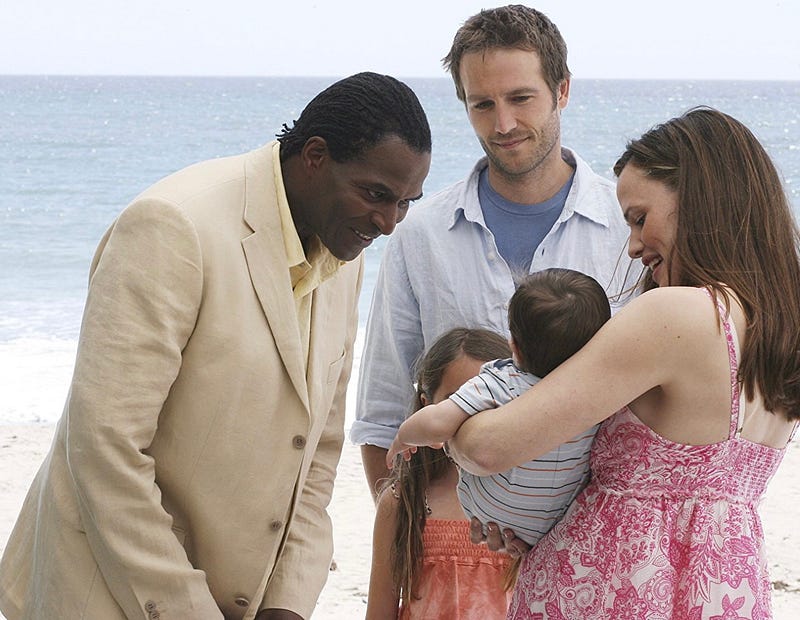
“All the Time in the World” (Season 5). Series finales are remarkably hard to pull off well no matter how long a show has been on or what genre the show is. And few shows in the history of television had as difficult a series finale to undertake as Alias. The episode had to overcome a season shortened due to Jennifer Garner’s pregnancy and wrap up the storylines of all of its core characters, give the villains their ultimate comeuppance, explain and wrap up the show’s elaborate central mythology in a way that was not ludicrous or overly complicated, pay homage to the early years that made the show beloved and that the show had strayed quite far from, get Sydney and Vaughn to live happily ever after, and somehow maintain that fine balance of wit, action, and gut-wrenching emotion that has been the show’s hallmark. Although it is not a flawless episode, the show accomplishes every single one of these goals. The series smartly wrapped up the arcs of several secondary characters prior to the finale, allowing the episode to focus on our core characters, with everyone getting their due. Garner and Garber do some of their best work of the series during his wrenching death sequence. Olin turns in a tour de force in her limited screen time where even as she dies a treacherous megalomaniac terrorist, you continue to empathize with her and discover new facets of her character. And there is perhaps no greater end to a character in modern television than Sloane reaching his endgame — consuming the elixir of immortality — only to be trapped underground forever with the corpse of his best friend and abandoned by the ghost of the daughter he killed. The episode wisely doesn’t spend too much time wrapping up the mythology and ultimately it comes to a finite, satisfying close. Further cementing this episode’s greatness is the all-too-perfect epilogue, which has Dixon bringing news of the surviving characters’ whereabouts to Sydney and Vaughn who are living a life of idyllic isolation with their two beautiful daughters. But because this is Alias, there is no happily ever after that is not chock full of ambiguity and doubt. Sydney and Vaughn’s daughter shows the same aptitude for spatial reasoning that led to Sydney’s recruitment to SD-6 and the dual fact that Dixon so easily tracked down Sydney and Vaughn and that Sark is still on the loose suggests that all will not remain idyllic forever for our beloved couple. While certain aspects of the finale could have been developed more and executed a bit more skillfully, it’s difficult to begrudge them any faults given the massive degree of difficulty the show’s makers faced and how satisfyingly and elegantly they ultimately wrapped it all up.
Click here to follow the author on Medium and Twitter.
Read articles about television by this author:
- “The Handmaid’s Tale”’s Stunning Return to Form in Season Four
- A Fond Farewell to the Quietly Groundbreaking “Mom”
- The Glorious and Long Overdue Arrival of “The Nanny” on Streaming
- The One About “Friends: The Reunion”
- How “Homeland” Raised the Bar for Television Drama
- Celebrating 35 Years of “The Golden Girls”


