
Albania Is About To Become Italy’s Deportation Camp
Italy isn’t the first country to try this immigration approach, and it won’t be the last.
For all its natural beauty and extraordinary cultural history, Italy is a political mess. An economy that hasn’t grown in over 20 years, a demographic crisis, unstable governments, ubiquitous corruption and organised crime are all problems that the nation has failed to solve in recent years.Since the Arab Spring, we can add illegal immigration to that list.
Italy hasn’t traditionally been a hotspot for migration in the same way as countries like France, Britain or Germany; a relatively minor colonial history, disinterest in foreign relations, a weak economy, and a steady supply of indigenous cheap labour (from Southern Italy) have all kept migration from becoming a major topic. Historically, people have tried much harder to move from Italy than to it.
That changed in a big way around 2011, when a wave of pro-democracy revolutions swept across the Middle East, largely failing. From Libya to Syria, civil wars erupted in quick succession and created millions of refugees around the Mediterranean. Italy, with its proximity to North Africa, became one of the main reception points for asylum seekers, and human trafficking networks began emerging.
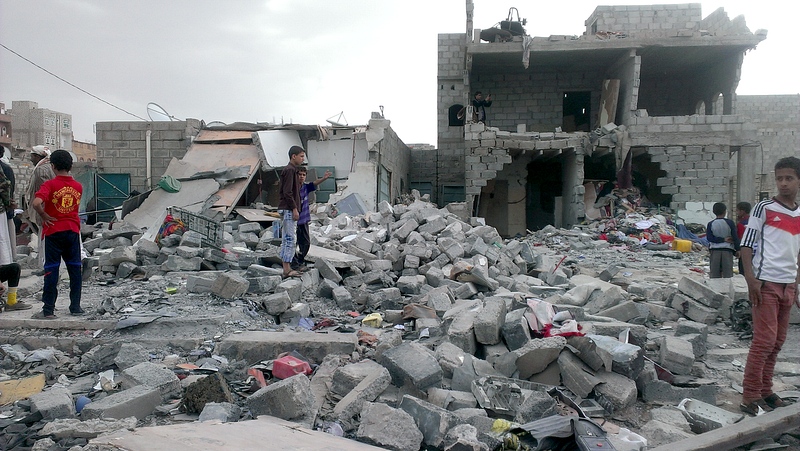
As soon as boats were regularly crossing the Mediterranean with refugees, many economic migrants started taking the same routes. Bangladesh and Ghana are not war-zones, but people from those countries also began paying thousands of euros to cross the Mediterranean by boat, hopeful for a better life. Once in Italy, they join the irregular economy as fruit pickers, beggars, construction workers, sellers of fake designer sunglasses, and a hundred other occupations.
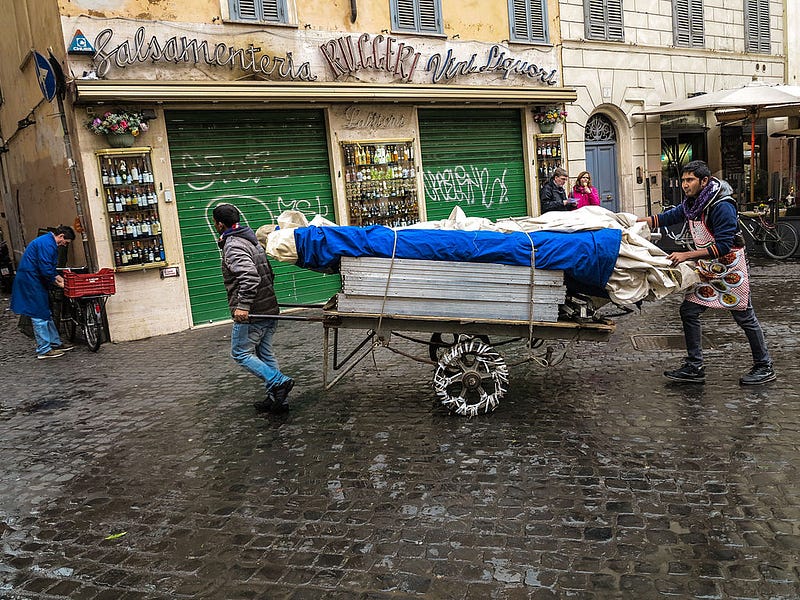
Italy’s relationship with undocumented migrants is complex and polarizing. Like every other modern industrial economy, Italy needs migration — it needs builders, care home workers, cleaners, and agricultural labourers, and Italian-born youths (who have become somewhat rare anyway) are increasingly uninterested in doing those low-paid, demanding jobs.
However, migrants also represent a threat to Italian society. Asylum centres have become recruiting grounds for mafia organizations and Nigerian gangs, who employ young migrants as drug mules, prostitutes and other petty criminals. After a decades-long effort to overcome its infamous organized crime syndicates, many Italians feel that cities across the nation are less safe now than they’ve ever been.
And then there are the labour implications. Italy has no national minimum wage.
Officially it has Swedish-style sectoral wage agreements, but they’re largely ignored in Southern Italy, where unemployment is rampant and many Italian-born youths work without contracts, hoping to one day find stable employment. Many work for €3 or €4 per hour, and suspect that employers would have to offer more competitive wages if there weren’t so many illegal migrants ready to work for next to nothing.
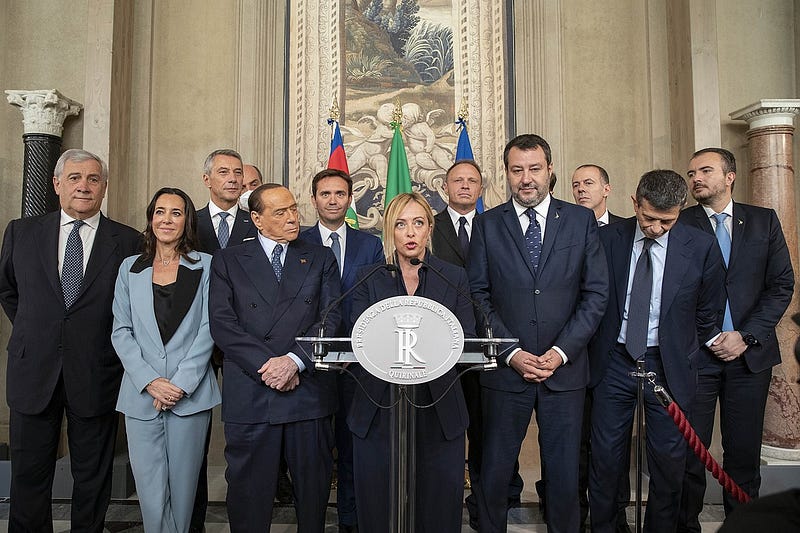
Frustration with migration allowed a right-wing coalition led by Giorgia Meloni to come to power on the back of promises to regain control of Italy’s borders. The government, however, has been hobbled by opposition from the European Union, particularly from France and Germany.
This has led to high-profile standoffs over Mediterranean rescue boats, with Italy refusing to let adult male asylum seekers disembark at Italian ports (instead insisting that they are the responsibility of the nation of the rescue boats, which is typically France or Germany); as a result, Italian has been accused of violating international humanitarian law, while Italian has criticized its neighbors for leaving it to deal with the crisis by itself.
Some thought Meloni would back down rather than risk losing post-Covid EU recovery funding; instead, her government has just announced a new strategy: Albania.
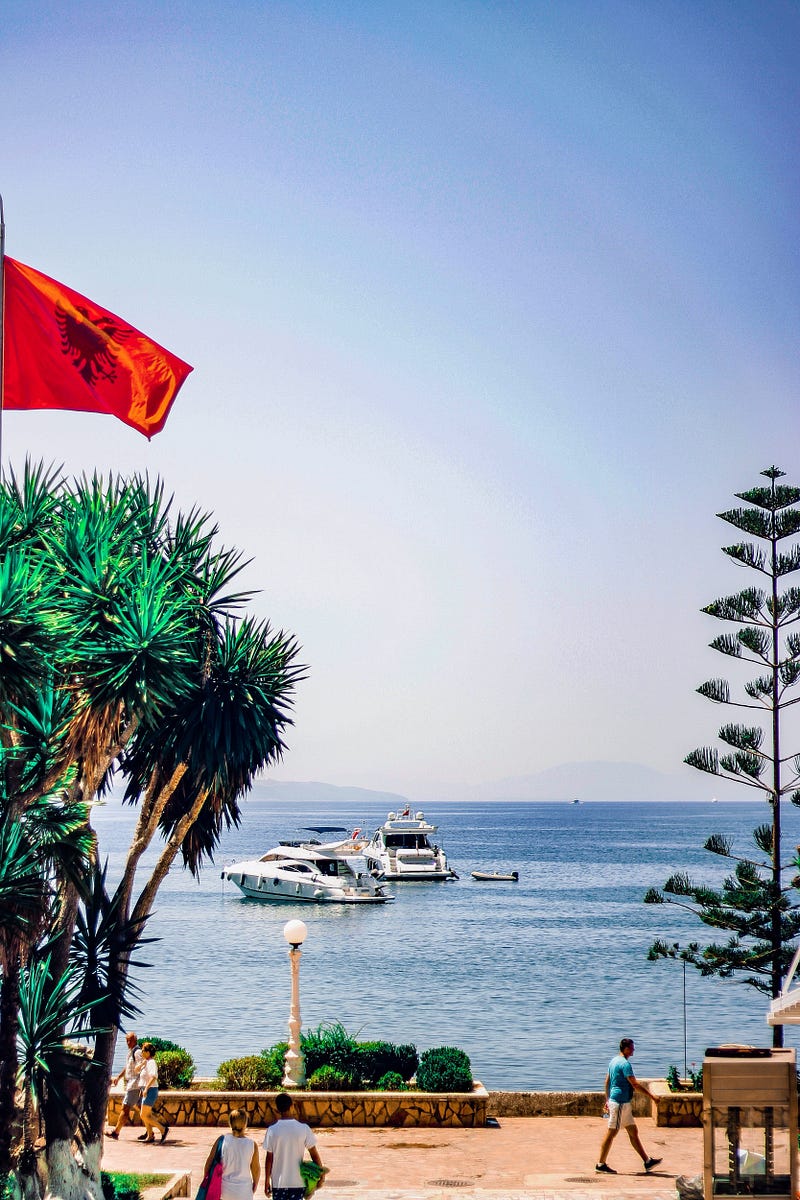
Albania, a small Balkan country, has a long and close relationship with Italy. Between World War I and World War II, Albania spent many years as an Italian protectorate. While Albania became totally isolated under communist rule, Italy became a valuable partner after the fall of communism, providing substantial food aid to Albania in the 1990s, and then leading a UN peacekeeping mission to restore stability to the nation.
Today, many Albanians move to Italy (often illegally) to find work, while many Italians go to Albania on holiday (including Giorgia Meloni herself), lured by the cultural similarities and low prices.
Meloni gets on well with Albanian prime minister Edi Rama, spending a few days as his guest this summer, and her efforts to build bridges with Albania have even extended to ordering the local Italian embassy to pay a restaurant bill for Italian tourists who dined and dashed — not a matter that national leaders of G7 countries usually handle themselves.
Her diplomacy now seems to have paid off: Meloni and Rama have just announced that Albania will host 2 new centres for undocumented boat migrants to Italy, one for processing and another for detention, able to hold as many as 36,000 per year (for comparison, Italy has received 145,000 this year, and 88,000 in 2020).
Those who are granted asylum will be moved to Italy, while Albania will be responsible for deporting those who are considered illegal immigrants. Pregnant women, children and other vulnerable people will not be sent to Albania.

The idea behind this scheme is that most of those migrants arriving in Italy are not really escaping persecution or violence, but are in fact economic migrants. Many who land in Italy never apply for asylum status, and amongst those who do, most applicants are rejected outright.
However, it’s extremely difficult to deport illegal immigrants once they’re on EU soil due to freedom of movement, red tape, and many other factors. Across the EU, only about 20% of those who should be deported are sent back. By offshoring the process to Albania, it should be somewhat easier to actually deport illegal immigrants.
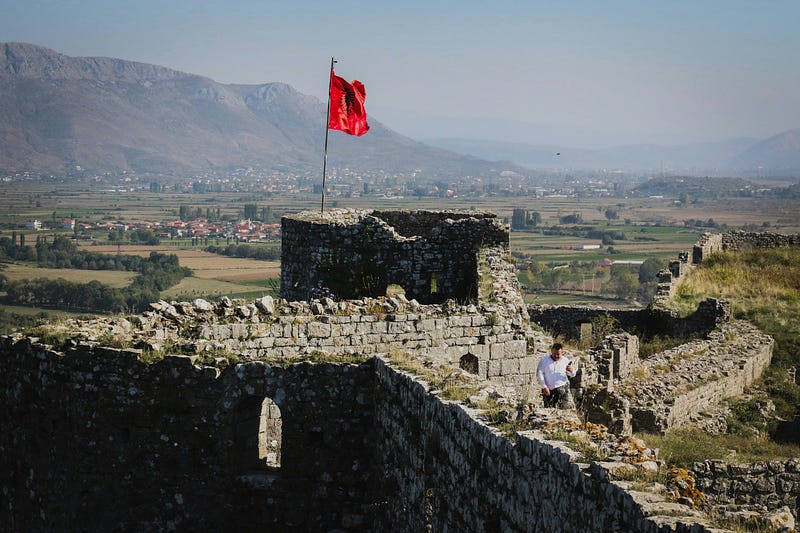
Italy isn’t the first country to try something like this; the EU has effectively been paying Turkey for years to keep Syrian refugees away from Europe, and Britain is currently in a legal battle over a scheme to deport people to Rwanda. However, Italy’s plan is somewhat softer than Britain’s since Albania is a signatory of the European Convention on Human Rights (unlike Rwanda).
So far, the EU has signalled that it will accept the Italian plan.