
Airbnb’s Will Zhao On The Case For Optimism About The Next Ten & Twenty Years
Empowered Women. I think the future is bright for gender equality. The world is gradually becoming a better place for women. Billions of dollars are being invested to improve women’s health and education. Women globally are gaining rights that were once exclusive to men — the right to work, vote, receive equal pay, own property, access education, and make personal decisions such as marriage. In many parts of the world, there’s never been a better time in history to be born a girl. There are still tremendous challenges ahead, but we can be optimistic that this trend toward greater gender equality will continue, promising a more balanced and fair world.
Reading the news can be so demoralizing: climate change, war, fires, epidemics, rogue AI, mental health, authoritarianism, extreme partisanship. But humans need hope. In order for us to create a positive future, we need to be able to have hope that there can be a positive future. What is the “Case for Optimism” over the next decades? What can we look forward to and hope for to help us strive for a more positive future?
In this series, we aim to explore and highlight the positive aspects, potential breakthroughs, and reasons for optimism that lie ahead in the coming decade and beyond. We are talking to authors, researchers, entrepreneurs, scientists, futurists, and other experts who can shed light on the exciting advancements, innovations, and opportunities that await us. As a part of this series, we had the pleasure of interviewing Will Zhao.
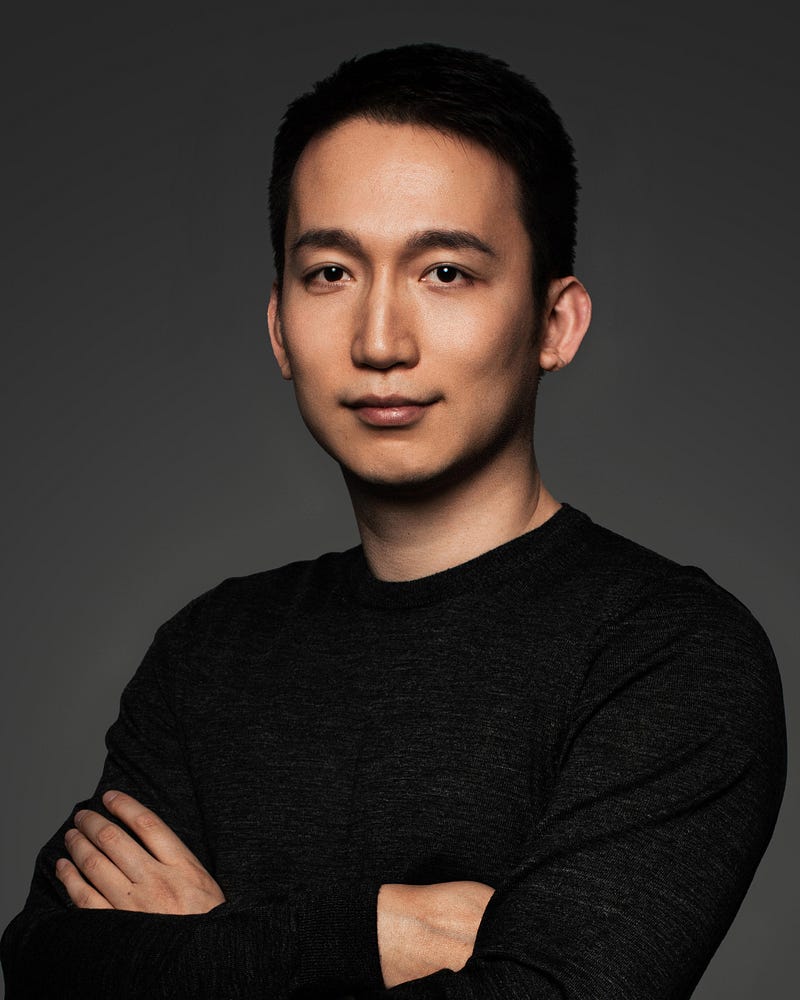
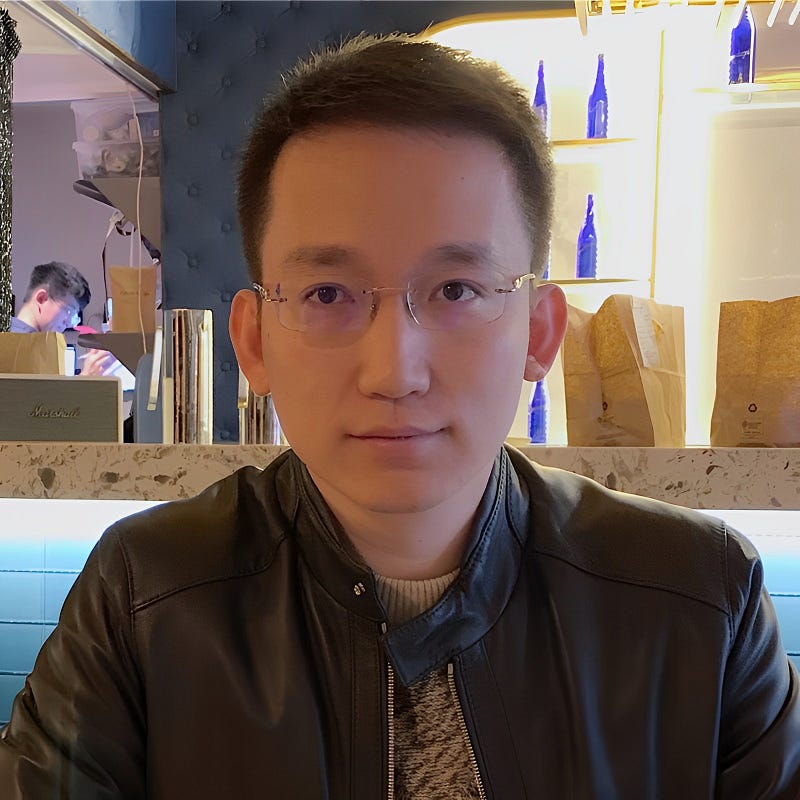
Will Zhao is a senior engineering leader at Airbnb with more than a decade of experience at Silicon Valley tech companies. Currently, he leads teams responsible for Airbnb’s core infrastructure services. He has also led teams across various tech domains at Airbnb, including search, machine learning, monetization, and mobile platform. Prior to Airbnb, Will led the performance and platform engineering organization at Snap, responsible for the performance and efficiency of the Snapchat app. Will specializes in building and growing high-performing engineering teams, and he has mentored product and engineering professionals from diverse backgrounds. As a seasoned technologist, Will is passionate about sharing insights to help people understand and succeed in tech and business. More information can be found at SoftGist.com.
Thank you so much for joining us in this interview series! Before we dive into the main focus of our interview, our readers would love to “get to know you” a bit better. Can you tell us a bit about your childhood backstory?
Absolutely. I was born and raised in the northern part of China and was the only child in my family, like most of my generation. I was a troublesome child and hated school. As a child, I found my happiness mostly in video games, comic books, and sci-fi novels. When I was 8, I got the chance to learn programming at school when personal computers were still rare, and soon later got my first PC as a gift from my parents. For the years following, I just messed around with computers for fun. I played a lot of games, tinkered with hardware, and helped my friends and families fix any pc problems they had. But still, I had no clue what I wanted to do with my life or career.
Studying computer science in college was one of the luckiest decisions in my life. It wasn’t a well-thought-out decision; more like I didn’t know much about anything else. But once I started, I soon realized this was my thing, and it ignited a passion that had me taking my studies seriously for the first time. The rest is history. I came to the US and earned my master’s degree from Carnegie Mellon University, moved to California, and started my tech career at Facebook in 2012. And here I am.
What or who inspired you to pursue your career? We’d love to hear the story.
The answer above pretty much answered this question. The unconditional love and support from my parents during the years when I was struggling to figure out my life path have been critical. I also think reading pretty much every Jules Verne’s legendary sci-fi novels as a kid has helped shape my curiosity about science, even though at the time I didn’t fully understand many things in the books.
None of us can achieve success without some help along the way. Was there a particular person who you feel gave you the most help or encouragement to be who you are today? Can you share a story about that?
In my previous job at Snap, I had a mentor who was also my manager. The relationship was transformative for me and led to my growth into an engineering leader. As a novice leader, I stumbled often. My mentor knew when to step in with guidance and when to let me learn through my own trials. This balance fast-tracked my growth, and his high professional standards continue to inspire me to become a better leader and help others develop their careers.
What are some of the most interesting or exciting projects you are working on now? How do you think that might help people?
I believe many people don’t realize that we’re likely living in one of the best times for entrepreneurship. While it’s true that AI may replace some jobs, I think it will also create much more new opportunities. Technological advancements have significantly lowered the barriers to starting a business, making entrepreneurship more accessible than ever. Properly leveraging AI and automation tools can enhance productivity substantially, making it feasible for small teams or even solopreneurs to create profitable businesses of seven- and eight-figure or more. I’ve been exploring entrepreneurial opportunities in this modern age myself, and an exciting project I am working on is to share my systematic learnings and actionable ideas to help democratize entrepreneurship.
You are a successful leader. Which three character traits do you think were most instrumental to your success? Can you please share a story or example for each?
I would say the three things that are most important are: growth, results, and empathy.
- Growth: The pursuit of growth, rather than specific outcomes, has been instrumental in my career. It’s easy to become frustrated when you set rigid goals, such as earning a certain amount of money or achieving a specific promotion within a set timeframe. Life rarely unfolds as you planned, and such frustrations can hinder productivity and lead to more mistakes. Instead, focusing on personal and professional growth — improving your skills, expanding your experiences, and increasing your impact — can be a more effective approach. This growth mindset transforms challenges into opportunities for accelerated growth. While career advancement often requires a degree of luck, personal growth is more controllable and predictable. It’s those who consistently strive for growth who are best positioned to seize opportunities when they arise.
- Results: Consistently delivering results is another key to success. In today’s work environment, particularly in large corporations, numerous factors can distract you or slow your progress. It’s easy to excuse subpar performance due to factors beyond your control. However, I believe that we can make choices that enable us to deliver exceptional results. Developing a strong sense of ownership for great results can expedite career advancement. In my own experience, each of my promotions has been a direct result of overcoming significant challenges to deliver impactful results.
- Empathy: Lastly, empathy has been crucial. At work, it’s easy to focus on what you want, and others can easily see that. However, the ability to understand and genuinely care about others is a critical skill. It helps you build trust and relationships, which are key to good collaboration and long-term career success. Empathy allows you to see and pursue win-win scenarios, reducing friction and conflict that could otherwise hinder your progress. In my career, I was able to deliver good results early on, but a lack of empathy has made things harder and slowed me down. It was only when I genuinely cared about and helped others, even sometimes at the cost of my own benefits, that I started to grow my career quickly.
Ok, thank you for all of that. Let’s now shift to the main focus of our interview about the case for optimism. Let’s begin with a basic definition so that all of us are on the same page. When we refer to being optimistic about the future, what exactly do we mean?
We are referring to a mindset that focuses on positivity and proactive actions. It’s about believing that while things can go in any direction, we as humans can find a viable path to good outcomes. It’s also about not allowing concerns about what could go wrong to divert our attention from proactively working towards making good outcomes a reality.
Why is it important to have an optimistic outlook about the future?
It’s important because it fundamentally influences how we approach life. I believe in the power of positive thinking. Without an optimistic outlook about the future, one may view what’s to come as a matter of luck or randomness. Instead, optimism allows us to envision a path toward a brighter future and inspires us to make it happen. It’s like creating a self-fulfilling prophecy — by having faith in and striving for a positive future, we increase its chances of becoming our reality.
What are some reasons people might feel pessimistic about the future, and how do you suggest we address these concerns?
If you pay attention to the news, you will be overwhelmed by pessimistic ideas. Some ideas are legitimate, and we indeed have a lot of work to do to make good outcomes happen. I think one legitimate concern is that there are a handful of people and organizations that have too much power, and we lack sufficient regulation and mechanisms to keep this power in check and ensure responsibility.
However, humanity has faced far worse situations, and we’ve overcome the challenges each time. The average person today lives better than past kings and queens. Every issue that causes concern today is well-recognized by policymakers and leaders worldwide. It’s true that completely solving problems is never easy and requires time and resources, but history gives us ample reasons to stay positive.
Also, much of the anxiety is created by the media themselves. Bad news simply draws more attention than good news. It requires a lot of rational thinking to see the full picture and understand that things are never as good as they appear to be but also never as bad as they seem to be.
Fantastic. Here is the main question of our discussion. Can you please share with our readers your “5 Reasons To Be Optimistic About The Next Ten and Twenty Years?” (Please share a story or an example for each.)
Earlier this year, Bill Gates said in an interview that “I’m still very optimistic that it’d be much better to be born 20 years from now, 40 years from now, 60 years from now than any time in the past,” I can’t agree more and here are my five reasons:
1. Energy Abundance. The coming decade is expected to mark a significant transition from energy scarcity to energy abundance, primarily due to advancements in renewable energy sources. This shift could catalyze economic growth and elevate living standards globally. Renewable energy like solar and wind is getting cheaper and more efficient. It could provide affordable clean energy to everyone. New energy storage technologies and smart grids will make them even more reliable and accessible. Notably, recent nuclear fusion advancements hint at a future where we have an almost infinite and clean energy source. This energy abundance can also help us combat climate change and enhance our planet’s sustainability. We’re already witnessing technology bringing down costs and improving the accessibility of clean energy, proving its deflationary effect.
2. AI Enabling Creativity: AI is not a threat to creativity. Instead, it’s a tool that will unlock human potential in ways we’ve never seen before. By taking care of mundane tasks, AI liberates us to concentrate on creative and meaningful work. For example, AI tools could enable anyone to create their own games, films, or music, truly democratizing the creative process. As AI takes over routine tasks, workers can focus more on creative and strategic tasks. This will democratize creativity and lead to a broader expression of unique ideas by more people. This is yet another instance of technology’s deflationary impact.
3. Less Poverty. The coming years present a promising outlook for reducing poverty worldwide. Looking back, the global population living in extreme poverty has dropped from 37.8% in 1990 to just 8.4% in 2019. And given the rapid development in low- and middle-income countries, we have good reasons to be optimistic that this trend will continue. With less poverty, we can also expect to see less violence and longer life expectancy.
4. Empowered Next Generation. The upcoming generation is poised to bring transformative change. Being tech-savvy digital nomads, they are globally connected and have a broader perspective. Intelligence increases by about 3% every decade on average, and today’s kids, armed with smartphones, have access to an unimaginable wealth of information compared to twenty years ago. They are adept at using new tools that are becoming more powerful every day. Furthermore, they are civic-minded and optimistic, with the majority envisioning a world full of opportunities. As we equip them with the right skills — teamwork, systems thinking, and logic — they are set to become superintelligent beings, ready to face future challenges and build a better world.
5. Empowered Women. I think the future is bright for gender equality. The world is gradually becoming a better place for women. Billions of dollars are being invested to improve women’s health and education. Women globally are gaining rights that were once exclusive to men — the right to work, vote, receive equal pay, own property, access education, and make personal decisions such as marriage. In many parts of the world, there’s never been a better time in history to be born a girl. There are still tremendous challenges ahead, but we can be optimistic that this trend toward greater gender equality will continue, promising a more balanced and fair world.
In what specific areas do you see technology having the most positive impact over the next 10 to 20 years?
I think most people still underestimate the upcoming impact of AI. And AI will impact almost every area of the business world and our lives. It will transform industries like healthcare, education, transportation, manufacturing, and more. It also brings many challenges, such as potential job displacement and privacy issues. It is set to profoundly impact us whether we like it or not, and I think our only option is to embrace it with proper regulation.
While technology holds immense potential, it can also present challenges. How can we ensure that the progress we make in technology contributes to a more optimistic future and doesn’t exacerbate societal problems?
I think every disruptive technology may present new challenges, and properly adopting a technology requires careful design of regulatory policies and sometimes, unfortunately, also trials and errors. Technologies like AI have the potential to hugely disrupt our world, and currently, this power is mostly in the hands of a small number of powerful, for-profit organizations. I think it’s critical that these organizations proactively work with policymakers to protect us from potential risks and share information publicly to ensure transparency and earn public trust.
How do you maintain your optimism during challenging times?
During challenging times, I often ask myself, “What’s the worst that could happen?” Usually, things aren’t as scary as they first seem, and the worst-case scenarios aren’t that bad when you really think about them. Usually, the challenges are just bumps in the road as we try to achieve our goals, and we can always find ways to come back. Managing expectations is important — it’s only normal that life doesn’t always go as we planned, and that’s ok. It’s part of the journey. I like to remind myself what’s really important in life — like family, health, and friendship. If you have these, you’re doing well, and there is really not much to fear about. So why not just embrace the challenges as some fun experiences to learn and grow?
Ok, we are nearly done. You are a person of great influence. If you could inspire a movement that would bring the most amount of good for the greatest number of people, what would that be? You never know what your idea can trigger.
If I can inspire a movement, I think that would be one that addresses mental health problems. A lot of people are dealing with stress, anxiety, and depression every day, but I think as a society, we still don’t pay enough attention to these problems, and tragedies still happen daily. We need to help people understand that it’s ok to talk about mental health and ask for help when they need it. And we need to provide much more support to people who are dealing with mental health issues.
We are very blessed that some of the biggest names in Business, VC funding, Sports, and Entertainment read this column. Is there a person in the world, or in the US, whom you would love to have a private breakfast or lunch with, and why? He or she might just see this, especially if we both tag them 😊
That would be LeBron James. I have been watching him play for the past 20 years. He is not just an exceptional basketball player but a role model in life for many, including myself.
How can our readers further follow your work online?
You can find me on LinkedIn or SoftGist.com.
Thank you for these really excellent insights, and we greatly appreciate the time you spent with this. We wish you continued success and good health!