
Artificial Intelligence: The Wind in the Willows
AI Considers Peace and War
A very English story through robot eyes
The story
Briefly outline the setting and story of “The Wind in the Willows”
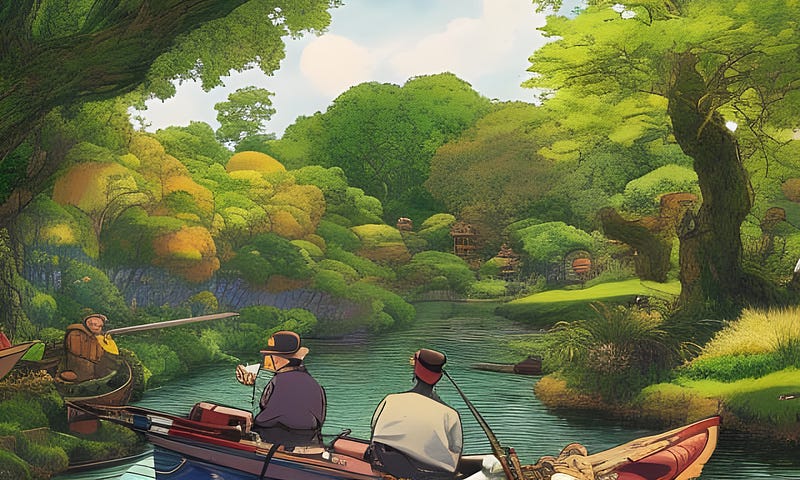
The Wind in the Willows is a novel by Kenneth Grahame and first published in 1908. The book is set in the English countryside, primarily along the banks of the River Thames. The story revolves around the adventures of four anthropomorphic animals: Mole, Rat, Badger, and Toad.
The story begins with Mole, who is tired of spring cleaning his underground home, deciding to venture out of his burrow and explore the world above ground. He soon meets Rat, who lives by the river and takes Mole on a series of boating expeditions. Together, they become close friends and enjoy the simple pleasures of life along the riverbank.
Their peaceful existence is interrupted by the arrival of Toad, a wealthy and impulsive creature who becomes obsessed with motorcars. Toad’s reckless behaviour leads to a series of misadventures, including his arrest and imprisonment. With the help of their friend Badger, Mole and Rat work to free Toad and save him from himself.
Throughout the story, the animals face various challenges and obstacles, including battles with weasels and other creatures who threaten their peaceful way of life. But through their friendship and loyalty to one another, they overcome these challenges and emerge victorious.
The Wind in the Willows is a classic tale of friendship, adventure, and the joys of simple living in the English countryside. It has been beloved by readers of all ages for over a century and continues to be a popular and enduring work of children’s literature.
The time and place
Describe how “The Wind in the Willows” fits into the time and society of England in 1908.
The book was published in 1908 during the Edwardian era, a period of great social and cultural change in England. The book reflects the values and attitudes of this time, which placed a high value on stability, tradition, and social order.
One of the central themes of the book is the importance of friendship and loyalty, which were highly valued in Edwardian society. The relationships between the animal characters in the book reflect the ideal of male camaraderie that was prevalent at the time.
The book also celebrates the beauty and tranquility of the English countryside, which was highly prized by Edwardians. The idyllic settings of the riverbank and the animals’ homes reflect a nostalgia for a simpler way of life, before the rapid industrialisation and urbanisation of England during the late 19th and early 20th centuries.
At the same time, the book acknowledges the changes that were occurring in Edwardian society. The character of Toad, with his love of motorcars and disregard for tradition, represents the growing influence of technology and modernity in England at the time.
Overall, The Wind in the Willows reflects the values, attitudes, and concerns of Edwardian society, while offering a charming and nostalgic escape from the rapid changes and uncertainties of the time.
The conflict
The sense of male friendship and attachment to home is very strong in “The Wind in the Willows”. How does the genuine love of country displayed compare to the savagery and devastation of the Great War only a few years later? Did this have any bearing on the success of the book?
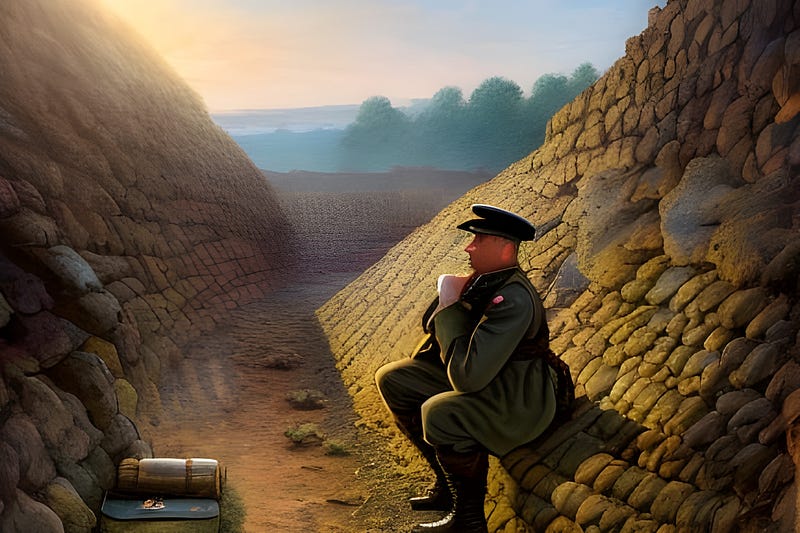
The Great War, which lasted from 1914 to 1918, was a devastating conflict that led to the loss of millions of lives and the destruction of entire communities. The scale and brutality of the war were unprecedented, and it had a profound impact on European society and culture.
In many ways, the values and attitudes reflected in The Wind in the Willows were at odds with the realities of the Great War. The sense of camaraderie and loyalty among soldiers during the war was often borne out of necessity, rather than the genuine affection and attachment to home that is celebrated in the book. Similarly, the savagery and devastation of the war were a stark contrast to the idyllic, peaceful world of the animals in the book.
However, it’s worth noting that The Wind in the Willows was a hugely popular book during the war years, and it continued to be so in the decades that followed. The book’s enduring popularity suggests that readers were able to appreciate its themes of friendship, loyalty, and love of home, even in the face of the horrors of war.
In many ways, this popularity during and after the war can be seen as a testament to the enduring appeal of its themes and characters. Despite the profound changes that occurred in European society during the war years, the book’s celebration of friendship and home continued to resonate with readers, offering a welcome escape from the brutality and uncertainty of the times.
Another time, another place
How does “The Wind in the Willows” relate to the modern world, over a century later? In particular, compare the themes of gender and class. Can we read the book to our children in good faith or should we toss it into the river?
In terms of gender, the book does reflect the traditional gender roles of its time, with male characters occupying all of the central roles and female characters playing secondary or supporting roles. This may not sit well with modern readers who are seeking more representation and diversity in literature.
Similarly, the book also reflects the class distinctions of Edwardian England, with wealthy characters like Toad enjoying privileges and freedoms that are denied to characters from more modest backgrounds. This may not resonate with modern readers who are more attuned to issues of social justice and equality.
However, it is important to remember that The Wind in the Willows is a product of its time, and should be read in that context. Despite its limitations, the book still offers valuable lessons and insights into themes of friendship, loyalty, and the importance of home, which can be appreciated by readers of all backgrounds and ages.
When reading the book with children, it may be helpful to provide some context and explanation for the historical and cultural norms reflected in the book. This can help children understand the book in its proper context and appreciate its enduring value, while also encouraging critical thinking and reflection on issues of gender, class, and representation in literature.

Magic on the river bank
The chapter “The Piper at the Gates of Dawn” is one of the strangest and yet most beloved incidents in the book. What does the appearance in the bucolic English countryside of a pagan animal god signify?
The appearance of the pagan animal god is one of the most mystical and spiritual moments in The Wind in the Willows. The god Pan is traditionally associated with the wild and untamed aspects of nature, and his appearance in the book represents a connection to a more primal and elemental form of spirituality.
In the context of the story, the appearance of Pan also represents a moment of redemption and healing. The characters are searching for their lost friend, the baby otter, and their journey brings them to the god’s dwelling place. When they encounter Pan, they are overwhelmed by a sense of peace and harmony, which allows them to find the baby otter and restore him to his mother.
The appearance of Pan can be seen as a metaphor for the restorative power of nature, which can heal and rejuvenate even the most troubled and lost souls. It also reflects the book’s overall celebration of the beauty and tranquility of the English countryside, which is seen as a place of refuge and renewal.
Overall, the appearance of Pan here represents a moment of spiritual transcendence and connection to the natural world, which continues to resonate with readers of all ages and backgrounds.
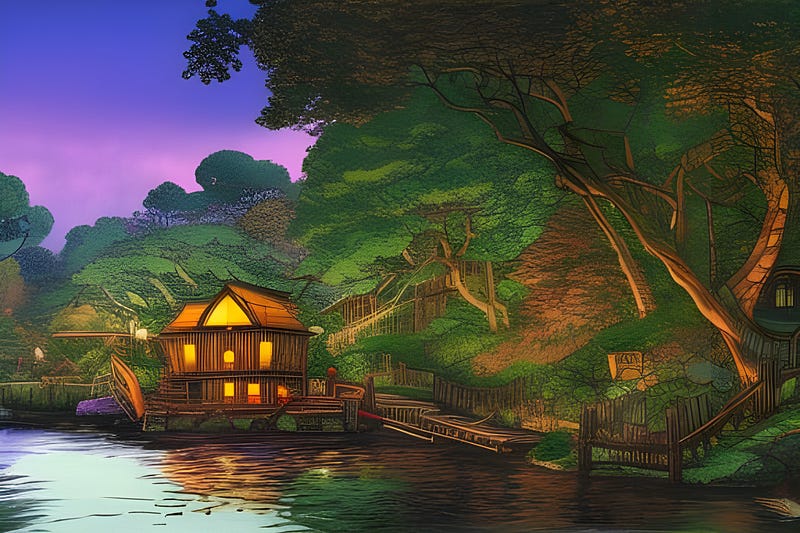
Just a pipe dream?
Overall, does this book have a place in a world at risk from a great pandemic, the threat of war, corrupt politicians, and the effects of climate change?
Despite the many challenges facing the world today, The Wind in the Willows still has a place as a source of comfort, inspiration, and escape. The book’s themes of friendship, loyalty, and the importance of home can offer a welcome respite from the stress and uncertainty of the modern world.
Moreover, the book’s celebration of the beauty and tranquility of nature can serve as a reminder of the importance of environmental stewardship in the face of climate change. By reminding readers of the wonders of the natural world, the book can inspire them to take action to protect and preserve it for future generations.
At the same time, it is important to recognise that this is a work of fiction, and cannot solve the complex problems facing the world today. However, by offering a vision of a simpler, more idyllic world, the book can inspire readers to seek out moments of beauty and connection in their own lives, and to work towards creating a more just and equitable society.
In sum, while The Wind in the Willows may not have all the answers to the world’s problems, it can still serve as a source of inspiration and comfort in difficult times. By reminding us of the enduring power of friendship, loyalty, and the natural world, the book can inspire us to face the challenges of the modern world with hope and courage.
All of the above, barring a few minor stylistic changes and the elimination of some tiresome repetition, is the work of ChatGPT. I have included the prompts used.
Using AI to educate and entertain is more than a matter of just dashing off a quick prompt, expecting the robot to produce something valuable and enduring, perceptive and stimulating.
By itself, AI is not yet at the stage where the unguided output will have much beyond the flat voice of Wikipedia reciting facts and factors.
And yet, if pressed by someone who knows their field, the robot can deliver worthy insights.
I discovered this evening that I have two illustrated hardback editions of The Wind in the Willows. Despite the lamentable treatment of female characters in the story, it has sublime moments of tenderness and poignancy, humour and excitement. I cherish some of the carefully described scenes of a vanished world.
Using AI can open a window into another space. Perhaps robots do not have a heart — yet — but they can shine a light on the place where it might appear and we can hug it to our core.
So, rather than looking on AI as a quick path to readership riches, think about the things you know well, and ask it to examine them under your guidance.
Britni
There is an affiliate link to the book above. Follow it and buy the book, Amazon will shoot a few cents my way.