
AI Showdown: How Nations Compete
Navigating the Global AI Landscape
Introduction to the Global AI Race
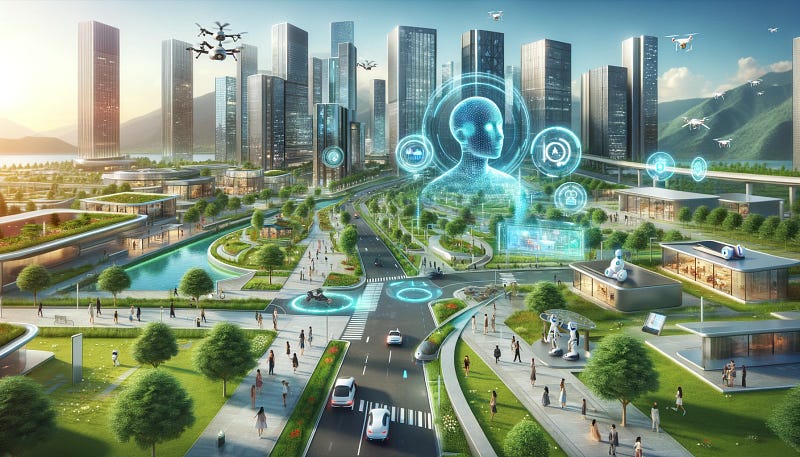
In today’s fast-paced world, AI isn’t just a buzzword; it’s the frontline of a global tech battle. Think of it as the Olympics, but instead of sports, countries are flexing their tech muscles to lead in AI innovation.
From self-driving cars in the U.S. to robot waiters in Japan, AI is reshaping how we live, work, and play.
This race isn’t just about prestige; it’s a quest for economic supremacy, national security, and shaping the future.
Imagine the possibilities — technologies that can predict natural disasters, personalize education, and revolutionize healthcare.
As we dive deeper, we’ll explore how different countries are upping their game in the AI arena, making strategic moves that could define the next era of technological dominance.
Stay tuned as we unfold the strategies, investments, and breakthroughs that are setting the stage for a thrilling global AI showdown.
AI Development and Implementation Strategies
Diving into the world of AI, we find that the landscape is as diverse as it is dynamic. Nations worldwide are crafting their strategies with a mix of bold ambition and meticulous planning.
From my experience, leveraging tools like ChatGPT, DALL·E, and other AI technologies, I’ve observed a fascinating spectrum of approaches.
Some countries are doubling down on research and development, fostering partnerships between academia and industry to push the boundaries of what AI can achieve.
Others are focusing on creating AI-friendly policies and regulations to attract investment and talent, building an ecosystem where innovation can thrive.
For instance, in my work with AI code generation and image design, I’ve seen firsthand how these tools can revolutionize industries, from creating more engaging websites to enhancing user interactions.
Countries leading the AI charge are investing heavily in these areas, understanding that the future belongs to those who can harness the power of AI most effectively.
They’re not just investing money; they’re investing in minds, in education, and in a vision of a future where AI is at the heart of societal advancement.
This global competition isn’t just about who can develop the most sophisticated AI algorithms or who has the most supercomputers.
It’s about who can integrate AI into their economy, their defense strategy, their healthcare, and their education system most seamlessly. It’s a race where the prize is a brighter, more efficient, and more connected future.
Comparing the strategies of different nations, it’s clear that while the paths may differ, the destination is the same: a world where AI not only supports human activity but enhances it in ways we’re just beginning to understand.
AI Tech Talent and Education Initiatives
The foundation of any country’s AI prowess lies in its tech talent and the strength of its educational initiatives.
It’s clear that the diversity of languages and development environments, such as Angular, Svelte, and Firebase, plays a crucial role in shaping a versatile and innovative tech landscape.
Countries at the forefront of the AI race are heavily investing in nurturing this talent, recognizing that the developers of today are the architects of tomorrow’s AI-driven society.
These nations are not just focusing on current tech trends but are also laying the groundwork for the future by incorporating AI, machine learning, and data science into their educational curriculums from an early age.
Initiatives like coding bootcamps, AI-focused university courses, and partnerships between tech companies and educational institutions are becoming increasingly common.
These efforts are aimed at creating a well-rounded and technically proficient workforce that can navigate the complexities of AI and its applications.
My journey in the tech field, from developing cutting-edge web applications to leveraging AI for design and problem-solving, underscores the importance of continuous learning and adaptation.
The countries that excel in AI will be those that can effectively combine technological innovation with a strong educational foundation, ensuring that their workforce is prepared for the challenges and opportunities that AI presents.
This approach not only fuels technological advancement but also ensures that the benefits of AI are widely accessible and contribute to the overall betterment of society.
Pioneering AI Investments and Economic Impacts
The role of investment in AI cannot be overstated, serving as the lifeblood that fuels innovation and development in this field.
Reflecting on my own journey, where leveraging AI technologies like ChatGPT and DALL·E has been pivotal, it’s clear that financial backing is critical for turning ambitious ideas into reality.
Countries leading the AI race understand this well, pouring billions into research, startup ecosystems, and infrastructure to secure their position at the forefront of technology.
This investment isn’t just about the money; it’s about creating a vibrant ecosystem where startups, universities, and established tech giants collaborate closely.
For instance, in my work, the integration of AI in web design and development was significantly accelerated by the availability of tools and platforms supported by these investments.
These collaborative efforts not only push the boundaries of what’s possible with AI but also drive economic growth, creating new jobs, industries, and opportunities.
Moreover, the economic impact of AI extends beyond traditional tech sectors, transforming everything from healthcare and education to transportation and agriculture.
Countries that strategically invest in AI are setting themselves up for long-term economic resilience and competitiveness.
As we delve into the economic implications of AI investments, we’ll explore how nations are not just betting on technology but are investing in a future where AI is a cornerstone of economic prosperity and innovation.
Navigating AI Regulatory Frameworks and Ethical Considerations
As countries accelerate their AI development, the importance of robust regulatory frameworks and ethical considerations becomes paramount.
In my experience, developing AI-driven solutions, from chatbots to web applications, has highlighted the critical need for guidelines that ensure AI is used responsibly and ethically.
Countries at the forefront of the AI race are not only investing in technology but also in creating policies that govern AI’s use, focusing on privacy, security, and ethical implications.
These regulatory frameworks aim to strike a balance between fostering innovation and protecting individual rights.
For instance, in my work with AI, adhering to ethical guidelines and ensuring user data protection has always been a top priority.
Nations leading in AI recognize that for AI to be truly beneficial, it must be developed and used in a way that earns public trust and mitigates potential risks.
Moreover, these frameworks are not static; they evolve as AI technology advances, ensuring that regulations remain relevant and effective.
This approach not only safeguards against misuse of AI but also encourages a culture of ethical AI development, where innovators and developers are mindful of their creations’ societal impact.
Delving into how different countries navigate these complex issues, it becomes clear that the future of AI is not just about technological superiority but also about ethical leadership and responsible governance.
Global Collaboration and AI Innovation
The magic of AI doesn’t just happen in silos; it flourishes through global collaboration, drawing on diverse perspectives and expertise.
Reflecting on my own professional journey, where I’ve engaged in various projects from AI code generation to designing web applications, I’ve seen the power of collaboration first-hand.
Countries that lead in AI innovation recognize this and actively seek international partnerships, sharing knowledge, resources, and best practices.
These collaborations often take the form of joint research initiatives, cross-border investments in AI startups, and international forums where policymakers, researchers, and industry leaders come together to discuss the future of AI.
Such platforms not only accelerate the pace of AI development but also ensure that its benefits can be shared more widely across borders.
For instance, working on projects that integrate AI with web design, I’ve leveraged open-source tools and platforms that are the result of global collaborative efforts, showcasing how shared innovation can lead to tools that empower creators everywhere.
This global exchange of ideas and resources is crucial for tackling some of the most pressing challenges in AI, such as ethical AI use, bias mitigation, and ensuring AI benefits are equitably distributed.
It’s clear that the path to a future where AI enhances every aspect of our lives is paved with shared knowledge and united efforts.
The Future of AI: Emerging Trends and Predictions
As we stand on the brink of AI’s next evolutionary leap, it’s thrilling to contemplate what the future holds.
Drawing from my experience and the diverse projects I’ve been involved in, from AI-enhanced web development to chatbot creation, it’s evident that we’re just scratching the surface of AI’s potential.
Countries at the forefront of the AI race are not only tracking current trends but are also forecasting future developments, investing in areas like quantum computing, neuro-linguistic programming, and AI ethics to stay ahead.
The future of AI promises advancements that today seem like the realm of science fiction: AI systems that can understand and model human emotions, robots that learn from their environment and evolve, and AI-driven healthcare systems capable of predicting diseases before they manifest.
These aren’t just fanciful predictions; they’re the next steps on AI’s journey, fueled by relentless innovation and boundless human creativity.
Moreover, as AI becomes increasingly integrated into our daily lives, we’ll see a shift towards more personalized and adaptive technologies, capable of catering to individual needs and preferences.
The future of AI is not just about smarter machines; it’s about creating a more connected, efficient, and understanding world.
As we peer into the horizon, one thing is clear: the future of AI is as limitless as our imagination, promising a tomorrow where technology and humanity converge in ways we’re only beginning to envision.
This article was created with the aid of AI tools.