avatarHolly Jahangiri

Summary

The text reflects on the role of AI in creative processes, particularly poetry, expressing a desire for AI to serve as a tool rather than replace human creativity.

Abstract

The article "AI Must Die" delves into the author's conflicted feelings about the role of artificial intelligence in the realm of poetry and creative writing. The author expresses a sense of defeat and concern over AI's potential to cheapen human art by generating poetry mechanically. Through a dream where AI churns out words, the author grapples with the fear of obsolescence. However, the piece concludes on a defiant note, affirming the enduring value of human imagination and creativity, which AI cannot replicate. The morning's reflection, accompanied by coffee made by a simple, non-sentient machine, reinforces the idea that while AI can assist, it cannot replace the genuine artistry that humans possess.

Opinions

  • The author harbors resentment towards AI for its ability to generate poetry, fearing it might devalue human artistry.
  • There is a palpable sense of frustration and resignation, as the author initially feels defeated by AI's capabilities.
  • The author's stance softens with the realization that AI, while powerful, lacks the soul and imagination inherent in human poetry.
  • The piece suggests that AI should be viewed as a tool to aid human creativity rather than a replacement for it.
  • The author implies a preference for the imperfections and genuine emotions found in human-created art over AI-generated content.

Poetry | Data Science

AI Must Die

It’s meant to be a tool; not a thing to turn cheap tricks and devalue human art.
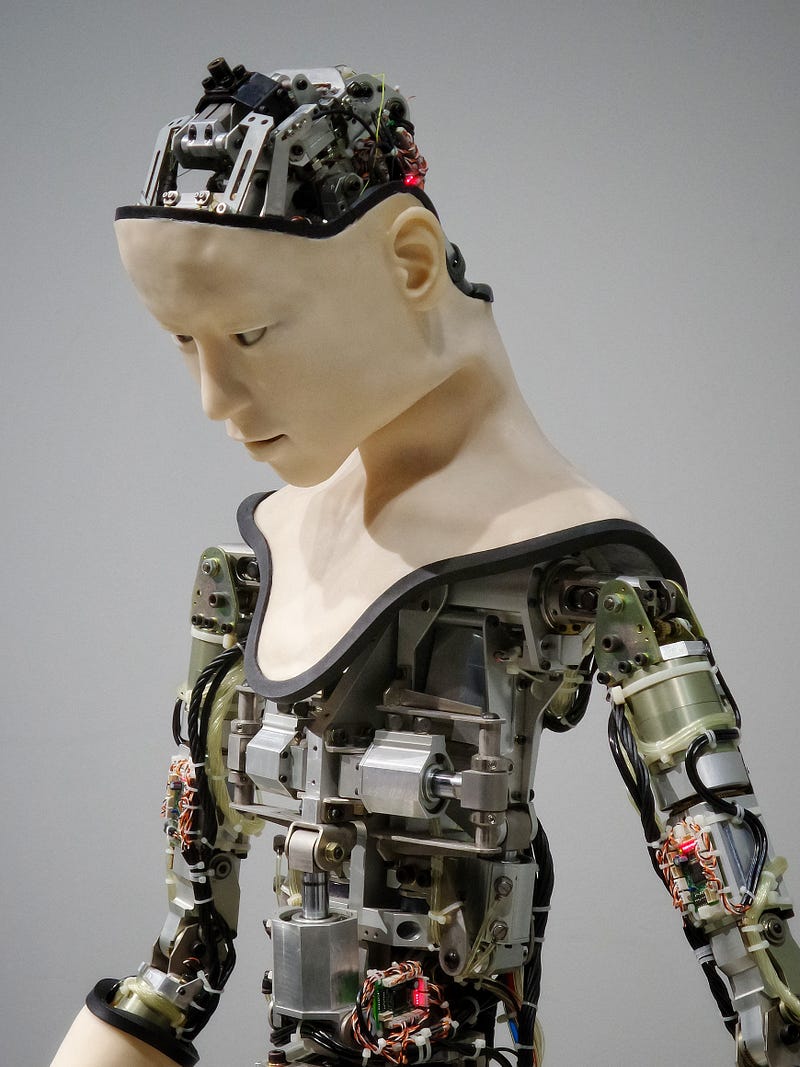
Photo by Franck V. on Unsplash

Wrapped in defeat, I slept; obsolete, I Dreamed of robots, churning words As weary I waved a stiff, white flag — Sad, empty page, surrendered.

I hate you all, I murmured, gritting teeth, Drenched in fevered, restive dreams. Convinced, at every turn: AI must die. Or, I. I slept, not caring which — but woke at dawn.

Still here, you tainted coffee-pot, I growled, and poured your tepid, inky dregs Into my cup and smiled. Knowing things — Like poetry, imagination’s fire — you can’t steal.

I shouldn’t read stories like this one before bed — it’s not good for my mood. But morning, and two cups of coffee brewed by a non-sentient machine that doesn’t talk back or whine when I smack it against the counter helped.

Poetry
AI
Data Science
Sci Fi Fantasy
Writing
Recommended from ReadMedium