
Why the AI Hype Compels Me And Why These Two Major Threats Concern Me
As artificial intelligence exerts a groundbreaking impact on our daily lives, we are at a crossroads: adapt to create new opportunities or risk falling behind. What kinds of challenges does this new reality potentially pose?
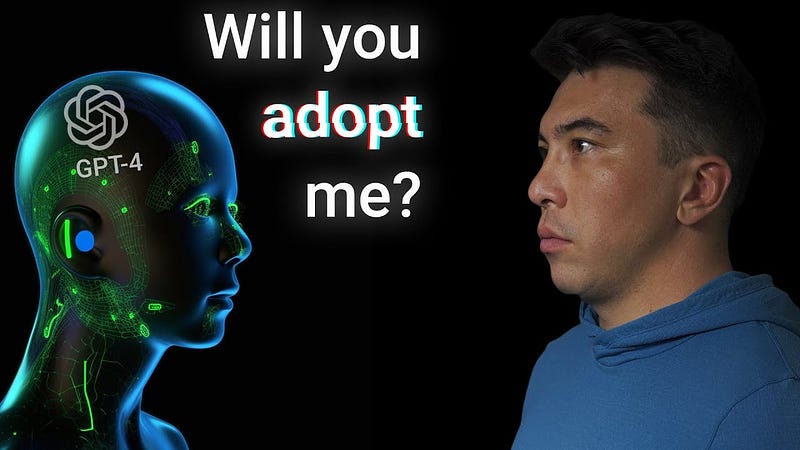
The Paradigm Shift
Upon the first moment I used GPT-4, I knew something was different. This might make me sound old, but it felt the same as when the first smartphone was released. When that happened, there was a rapid and irreversible integration of technology into our daily lives. I can probably count on one hand the amount of days I’ve spent without my phone since. Even worse, I feel almost incomplete as a person when it isn’t on me.
Artificial intelligence systems, like ChatGPT, are the new smartphones, the new internet, and even the new electricity (if you want to go way back). I think we will look back in five years and wonder how we ever functioned without this breakthrough.
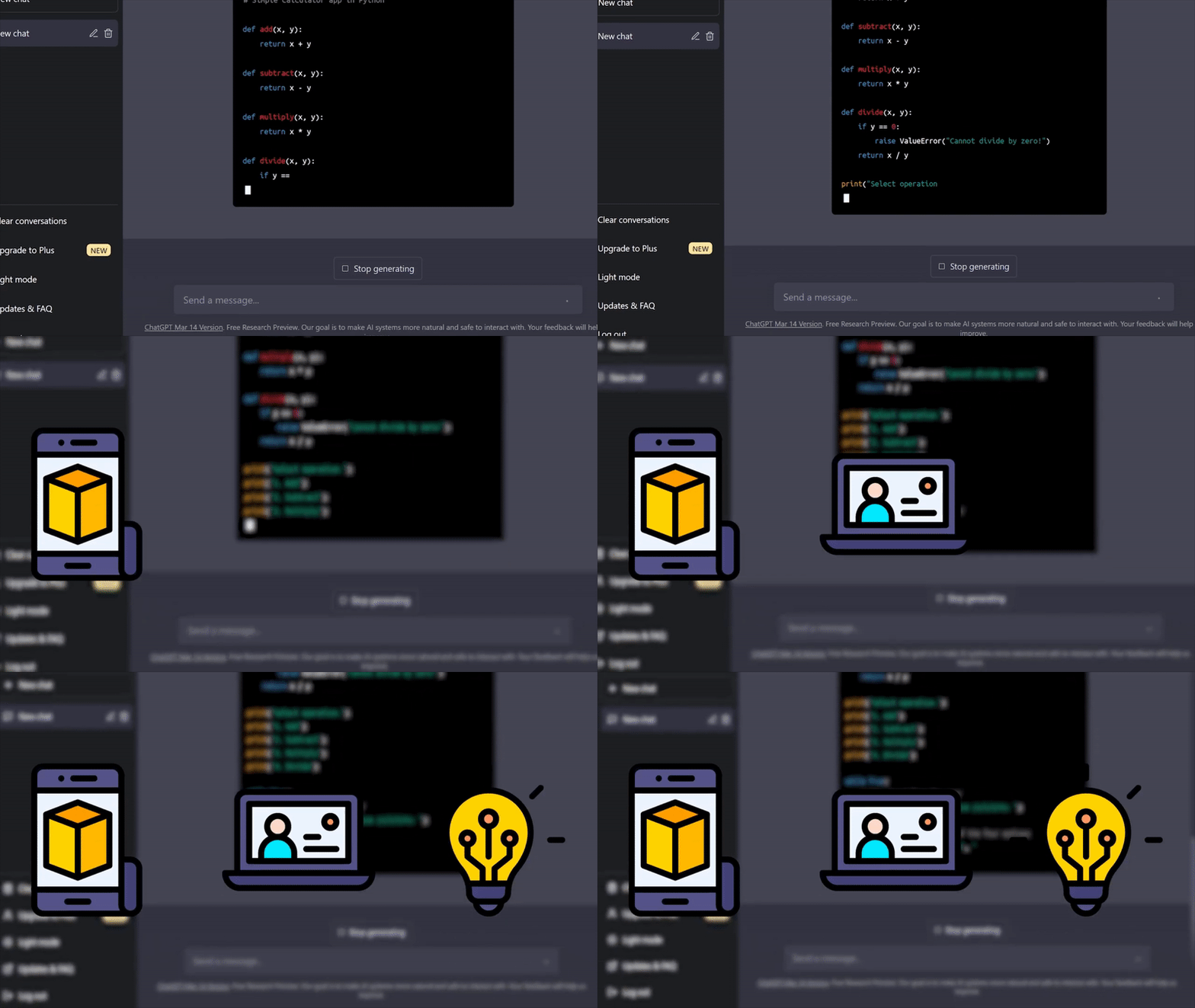
In my previous article, I talked about how GPT-4 has completely changed how I code. This happened over the course of only two weeks. In fact, ChatGPT was down the other day, and I felt completely lost. I felt like I just forgot my last nine years of coding experience! This technology made my work so much easier in less than a month that doing the additional work that was necessary before ChatGPT almost didn’t seem worth it.
Navigating the AI Revolution: Gain an Edge or Lose Your Place
With this new technology, it feels like there are 2 choices.
First, you could avoid it. Pick up trade skills that are hedged against AI in some way. I think we are still ways out from AI growing all our food, building our furniture, and fixing our pipes.
Or second, you can fully embrace this technology. Try to upskill to be able to leverage it into your existing career or one of the hopefully many new ones that are created as a result of this innovation.
While I’m currently looking at buying a farm (just in case), I have personally chosen the second option. This technology is out of the box already. No one is putting it back in, regardless of how many people sign petitions or tweet angry things about it.
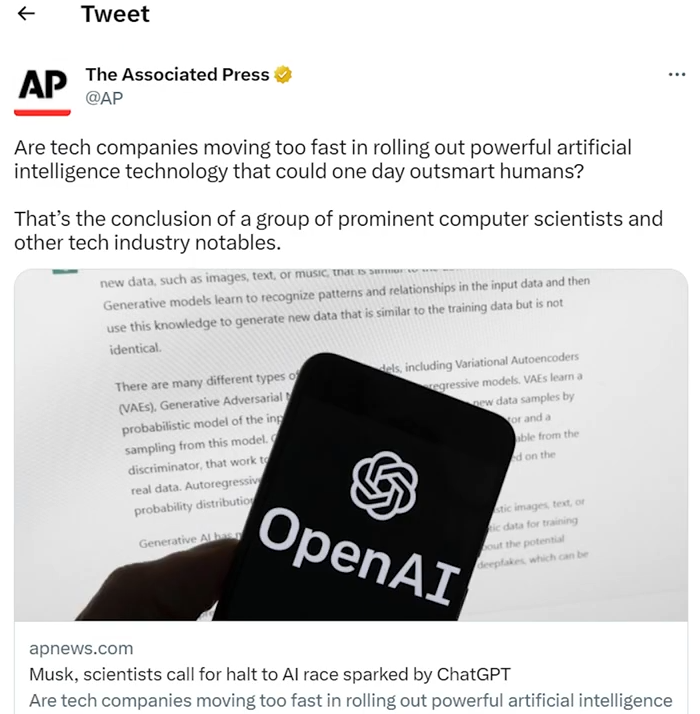
I view the use of this technology as a scenario where we must adapt to survive or else face extinction. That may be a bit extreme, but, in my own work as a data scientist, I just don’t see how people avoiding AI will keep up with those who are adopting it.
Balancing Automation and Expertise: Leveraging AI for Enhanced Productivity
A huge number of data scientists, engineers, and content creators have already started using this technology to facilitate and augment their work. I’ve written in previous articles about how this is saving me upwards of 4–5 hours per week. How can people without these tools manage to keep up?
It isn’t that the tools are doing the work for them, they are allowing these people to fast-track through the mundane aspects of their work. The tools are allowing them to operate at peak efficiency at all times.
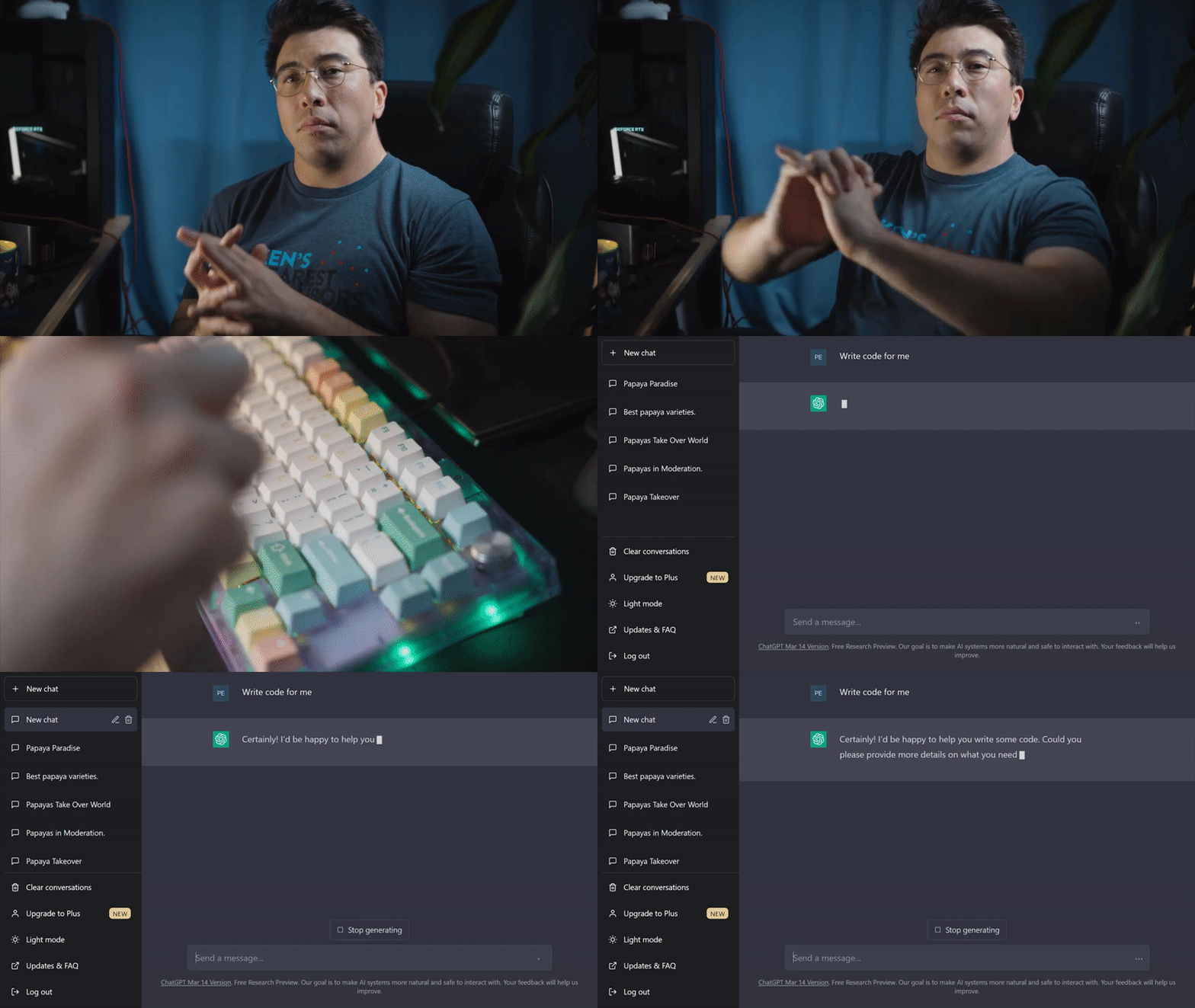
I think coding is the perfect example. At least for me, before AI tools, I would spend about half of my time actually writing and debugging code and the other half thinking critically about what I needed to build. With these tools, I can spend closer to 90% of the time thinking about the building process and 10% writing and debugging code.
Realistically, the majority of the code I write isn’t overly complex. I can essentially automate the simple stuff and ramp up the parts where my unique knowledge adds value to my work. I’m working at an unprecedented efficiency.
While I like this increased productivity, I don’t like the fact that it is almost forced upon me. As I mentioned before, I think that if people don’t adopt tools like this, they may not be competitive with others who do.
Unveiling an Evolving Job Market
In some cases, you may not want to fight it. Sam Altman, the CEO of OpenAI, predicts that there will be new “higher quality” jobs that come out of this boom.
If you become a super user of some of these tools and really understand them, you may be able to create career opportunities that you hadn’t even dreamed of before.
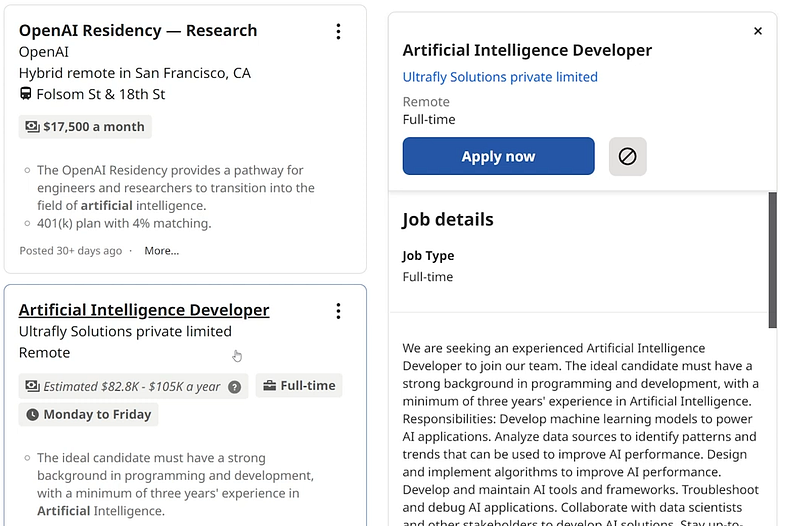
There will likely be new, high-paying jobs that don’t exist right now. I heard of a “prompt engineer” that is paying over $300,000 a year.
The Dilemmas of This Human-AI Interface
While there might be some opportunity, there are a couple of colossal problems this technology presents on global and individual levels.
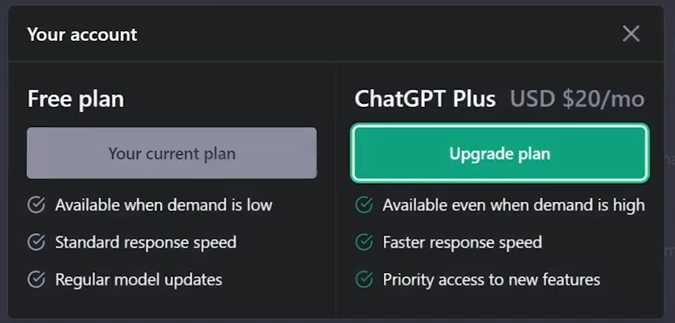
The first is inequality. At least right now, for GPT-4, there is a price and accessibility wall. This means that there is unequal access and opportunity for people to use these tools. It scares me that there will be haves and have-nots of AI from the lack of access to the tooling and not from the choice of using it.
It appears like there are some good options for open-sourcing these tools, but those also come with their own unique set of problems that are potentially just as scary. Specifically, I’m talking about these tools getting into the hands of bad actors.
The other massive fear I have is that our brains simply won’t be able to keep up with the pace of this new technology. Some older generations (like my parents) can barely manage to turn on a computer, let alone a smartphone. How are they supposed to understand the implications of integrating with AI?
Furthermore, I can barely tell if an ad or a video is authentic now. What are we supposed to do when people are using open-sourced AI systems to create more fabricated news that includes photos and videos indistinguishable from reality?
My own brain can’t keep up with social media. I get caught in loops, scrolling Instagram and other apps. The technology is so good at rewarding my brain for using these platforms that I just can’t stop. I can’t help but think that these tools are too good at hacking some reward system that evolved hundreds of thousands of years ago. That system was probably meant for us to encourage evolution, not mindless scrolling. What happens when even better forms of AI now target our reward centers with more specificity? With more nuance? With more addiction?
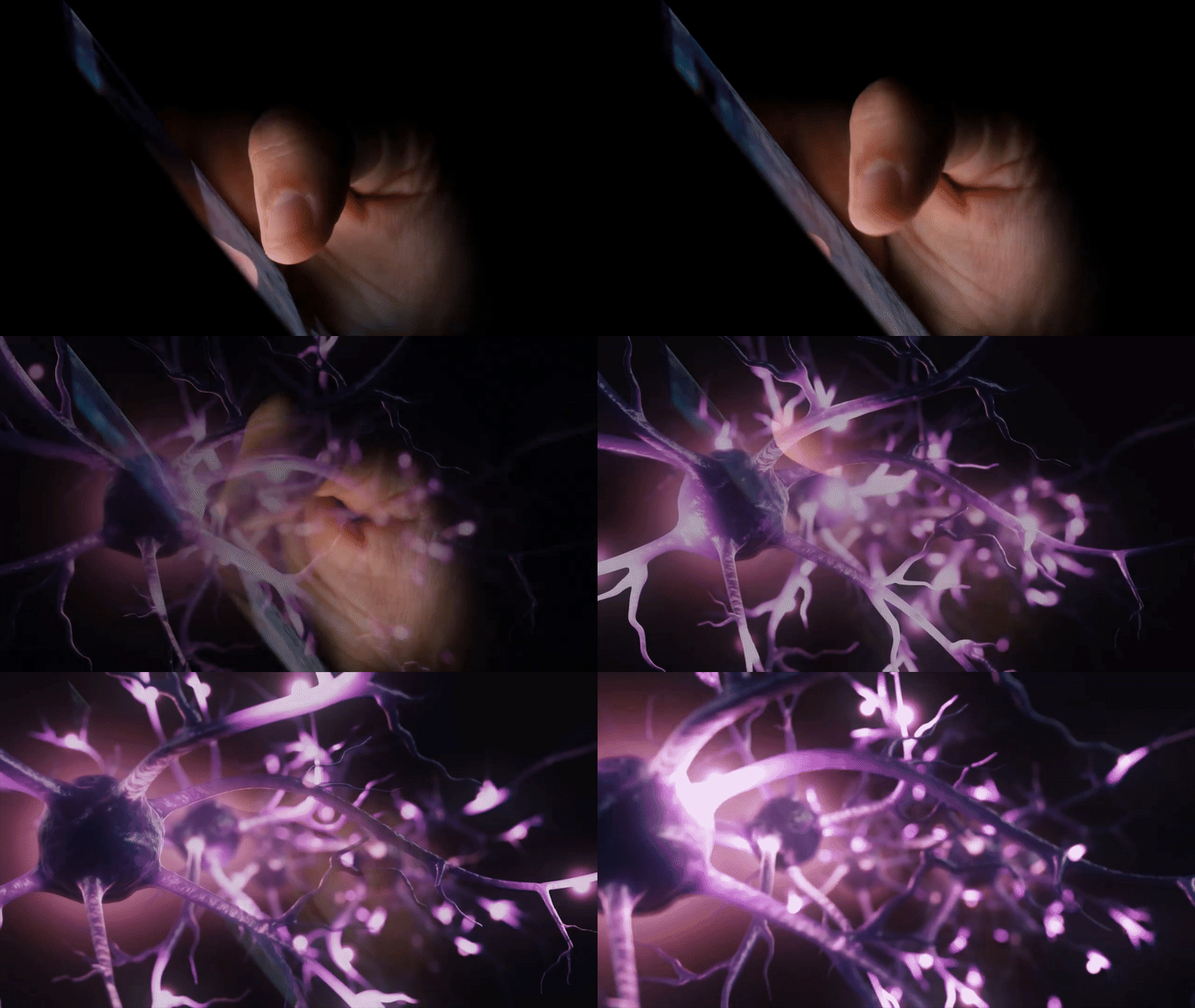
I simply don’t think our brains are equipped to handle the speed at which technology is advancing. And this will be a huge challenge for us going forward. At this rate, I’m speculating that technology itself, maybe even AI, will be the answer to this problem.
Conclusion
This isn’t meant to instill irrational fear. This conversation is just my honest opinion on a lot of AI stuff happening really fast right now. I am doing this, because it feels like we are rapidly approaching a pivot point. I think it is everyone’s responsibility to take these actions before AI is forced on us:
- learn about the new AI technologies
- understand how they feel about them
- make a plan for either using them or not
It hurts my pride, but I do feel like this is one of those scenarios where if you can’t beat them, join them.
I personally have decided to join them. You are free to make your own choice in this matter, of course.
Until next time, good luck on your data science journey!
If you enjoyed this article, remember to follow me on Medium for more content like this or subscribe to me via email. You can additionally share and recommend this article to your network that’s interested in data science!
If you like fun, informative videos on data science, machine learning, and AI, check out my YouTube channel, where I provide commentary, tutorials, and other educational videos.
To get weekly updates on my content creation and on additional learning resources in the data science industry, sign up for my newsletter, the Data Dribble!
Also, consider supporting me and thousands of other writers by signing up for a membership.