
AI for Good: How Artificial Intelligence is Tackling Global Challenges
Artificial Intelligence (AI) has emerged as a powerful tool with the potential to address various global challenges.
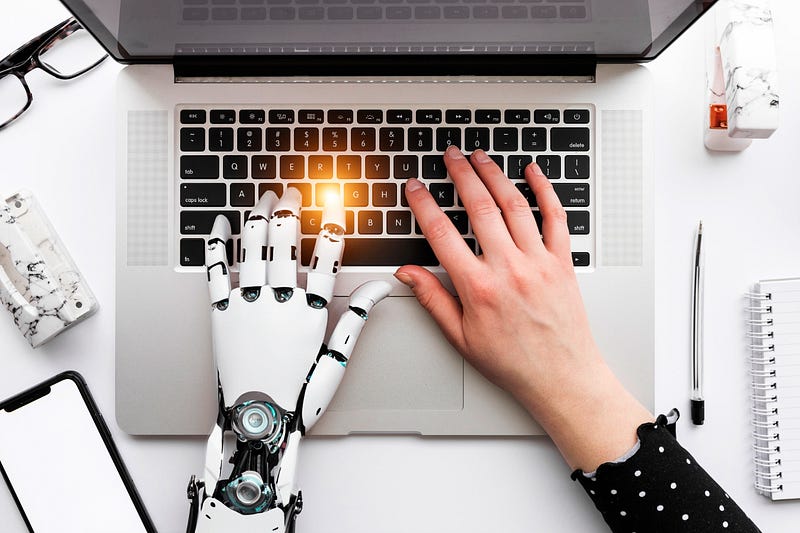
From healthcare and environmental sustainability to education and disaster response, AI technologies are being harnessed to create positive impacts worldwide. In this article, we will explore how AI is being used for the greater good and the potential it holds for the future.
In recent years, AI has made significant strides in healthcare. One of the key areas is medical diagnosis, where AI-powered systems can analyze medical images and data to assist doctors in making more accurate and timely diagnoses. This not only speeds up the diagnostic process but also improves patient outcomes by ensuring early detection of diseases.
Moreover, AI is playing a crucial role in drug discovery and development. By leveraging machine learning algorithms, researchers can analyze vast amounts of biological data to identify potential drug candidates more efficiently. This has the potential to revolutionize the pharmaceutical industry, leading to the discovery of new treatments for various diseases.
Another domain where AI is making a difference is environmental sustainability. Climate change and environmental degradation are pressing issues facing our planet, and AI technologies are being used to address these challenges. For example, AI-powered sensors and monitoring systems can track environmental data, predict natural disasters, and help in the conservation of natural resources.
In addition to healthcare and environmental sustainability, AI is also transforming the field of education. Personalized learning platforms powered by AI algorithms can adapt to students’ individual needs and learning styles, providing tailored education experiences. This not only improves learning outcomes but also makes education more accessible to learners from diverse backgrounds.
Furthermore, AI is being used in disaster response efforts. From earthquake detection to disaster recovery planning, AI technologies can analyze data in real time, enabling faster and more effective responses to emergencies. This can save lives and minimize the impact of disasters on communities.
In the Final Analysis
AI has the potential to address some of the most pressing global challenges we face today. However, it is essential to ensure that AI is developed and deployed ethically and responsibly. This includes addressing concerns such as bias in AI algorithms, data privacy issues, and the impact of AI on jobs and society.
Overall, AI for good represents a promising paradigm shift in how we approach problem-solving on a global scale. By harnessing the power of AI responsibly, we can create a better and more sustainable future for all.
Want the latest articles delivered straight to your inbox? Subscribe now and never miss out!
In recent years, AI has made significant strides in healthcare. One of the key areas is medical diagnosis, where AI-powered systems can analyze medical images and data to assist doctors in making more accurate and timely diagnoses. This not only speeds up the diagnostic process but also improves patient outcomes by ensuring early detection of diseases.
Moreover, AI is playing a crucial role in drug discovery and development. By leveraging machine learning algorithms, researchers can analyze vast amounts of biological data to identify potential drug candidates more efficiently. This has the potential to revolutionize the pharmaceutical industry, leading to the discovery of new treatments for various diseases.
Another domain where AI is making a difference is environmental sustainability. Climate change and environmental degradation are pressing issues facing our planet, and AI technologies are being used to address these challenges. For example, AI-powered sensors and monitoring systems can track environmental data, predict natural disasters, and help in the conservation of natural resources.
In addition to healthcare and environmental sustainability, AI is also transforming the field of education. Personalized learning platforms powered by AI algorithms can adapt to students’ individual needs and learning styles, providing tailored education experiences. This not only improves learning outcomes but also makes education more accessible to learners from diverse backgrounds.
Furthermore, AI is being used in disaster response efforts. From earthquake detection to disaster recovery planning, AI technologies can analyze data in real-time, enabling faster and more effective responses to emergencies. This can save lives and minimize the impact of disasters on communities.
In the final analysis, AI has the potential to address some of the most pressing global challenges we face today. However, it is essential to ensure that AI is developed and deployed ethically and responsibly. This includes addressing concerns such as bias in AI algorithms, data privacy issues, and the impact of AI on jobs and society.
Overall, AI for good represents a promising paradigm shift in how we approach problem-solving on a global scale. By harnessing the power of AI responsibly, we can create a better and more sustainable future for all.