AI Cooperation: Can the Expressive Power of Human Language Be Improved?
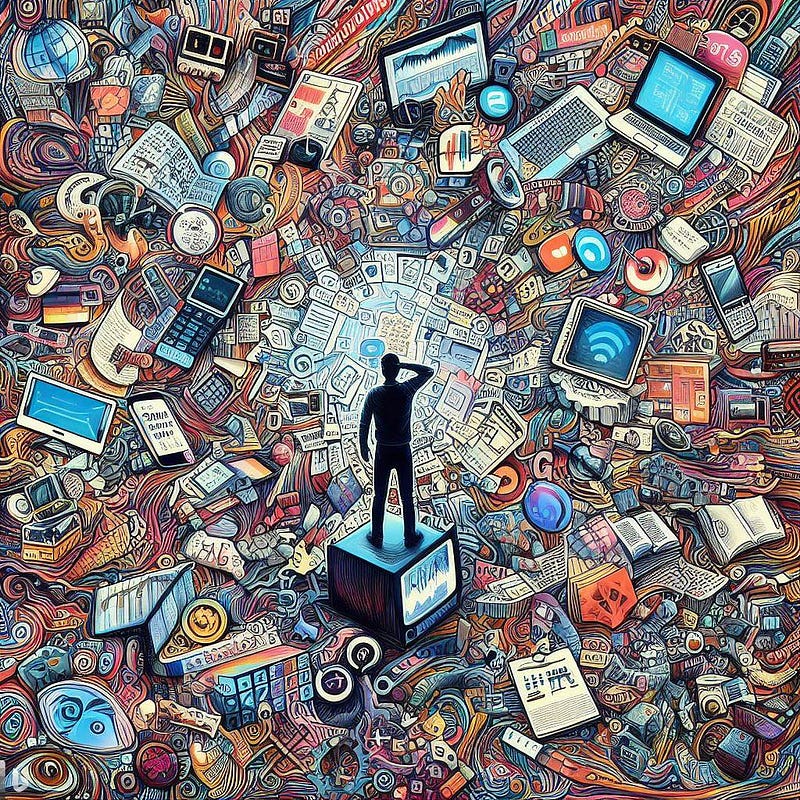
In the age of information overload, the expressive power of human language is more critical than ever. Language is not only a means of communication but also a tool for shaping thoughts, sharing emotions, and fostering cooperation. Yet, with the advent of AI and machine learning, the question arises: can AI collaboration lead to an enhancement of our linguistic capabilities?
Artificial intelligence has made leaps and bounds in understanding and generating human language. Tools like GPT (Generative Pretrained Transformer) have demonstrated that AI can not only grasp context and nuance but also create human-like text. However, the true potential of AI in language lies in its cooperative relationship with humans.
This partnership has the potential to push the boundaries of our linguistic prowess. For instance, AI can process vast amounts of data to identify patterns and insights that a human might miss. This capability could lead to the creation of new words or phrases that capture complex ideas more succinctly. Furthermore, AI can help break down language barriers, providing real-time translation and interpretation services that enhance global communication and cooperation.
The cooperative model also has implications for creativity. AI algorithms can suggest novel metaphors or linguistic structures, challenging authors and speakers to explore uncharted territories of expression. This synergy can lead to richer, more vibrant language use that resonates more deeply with audiences.
Moreover, AI can be instrumental in language learning, offering personalized experiences that adapt to individual learning styles. This tailoring can accelerate language acquisition, making it more efficient and enjoyable.
However, there are challenges to this optimistic view. The reliance on AI could lead to homogenization, where language becomes standardized at the expense of cultural diversity. There is also the ethical concern of AI-generated language manipulating emotions or spreading misinformation.
In conclusion, the cooperation between AI and humans holds immense promise for enhancing the expressive power of human language. By leveraging AI’s analytical strengths and humans’ creative and ethical considerations, we can enrich our linguistic abilities. However, it is imperative that this partnership is navigated carefully to preserve the richness and diversity of human language.
As we stand on the brink of this cooperative frontier, it is essential to continue exploring, questioning, and directing the integration of AI into our linguistic lives. The future of human expression may well depend on the harmonious symphony of human and artificial intelligence.