
AI Art Obsolescence
The Fleeting Lifespan of Digital Creations
The Legacy of Siegfried Gross: A Contrast in Durability
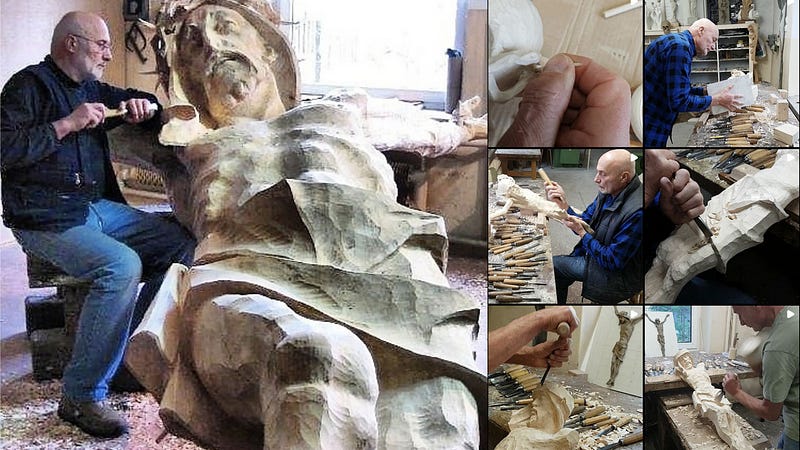
My father, Siegfried Gross, dedicated over six decades to sculpting. His hands shaped several thousand sculptures, many of which grace churches and private collections today.
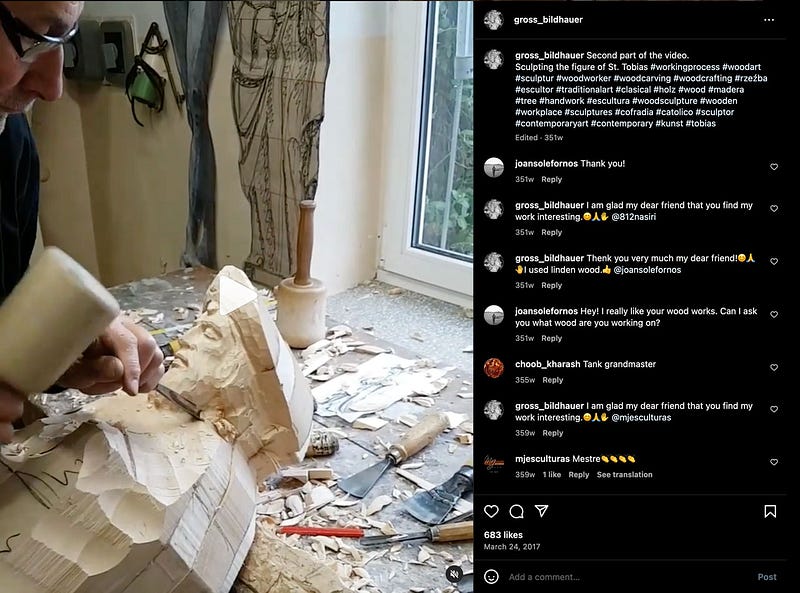
These creations, born from enduring materials and techniques akin to those of medieval times, promise to withstand the tests of time, potentially lasting hundreds more years.
The Ephemeral Nature of AI Art
In stark contrast, the art I create with AI tools faces a markedly different fate. The digital sculptures and images I’ve generated since 2016 teeter on the brink of digital obsolescence. The rapid pace at which technology evolves has rendered many of the tools and libraries I once relied on outdated.
Medium.com as an AI art repository
For instance, the DALL·E 1 model, a cornerstone of my digital portfolio on Medium.com in spring 2021, has become a relic. My digital archives now serve as a time capsule for AI art generators that have vanished, outpaced by the relentless march of updates and new versions.
The Aging Process of AI Art
Adding to the complexity of preserving AI art is its intrinsic nature of continuous evolution. Thanks to reinforcement learning, large language models (LLMs) like GPT-4 undergo daily transformations, learning in real time from interactions with users.
This means that the AI art created yesterday is, in a sense, from a different entity than the one we interact with today. This unique aspect of AI art highlights not only the challenges in preserving it but also the dynamic nature of its existence.
Evartology: A New Approach to Preserving AI Art
The Shift in Art Preservation
The transition from traditional art forms to digital has not only changed the way art is created and consumed but also how it is preserved. In the past, conservators focused on the physical preservation of art — a task that involved protecting paper, paintings, and sculptures from the ravages of time.
Today, however, the conversation has shifted towards the preservation of digital art. This new frontier presents unique challenges, requiring expertise in digital technology to ensure the longevity of artworks that encapsulate the essence of our era.
The Collective Effort in Digital Art Conservation
As digital art becomes increasingly prevalent in collections worldwide, the art community is rallying to address these challenges. Collaborative efforts are underway to develop strategies that ensure the preservation of digital art for future generations. This collective endeavor is not only about safeguarding the art but also about preserving a snapshot of contemporary life for posterity.
The Importance of Digital Art Preservation
Preserving digital art is crucial for maintaining a link to the cultural and societal narratives of the late 20th and early 21st centuries. It represents a commitment to ensuring that future generations can access and appreciate the digital expressions of our time. The journey towards effective digital art preservation is both daunting and exhilarating, marking a pivotal moment in the history of art conservation.
Art helps us deal with tough truths, especially when it’s made with technology that keeps changing
The Paradox of Digital Permanence
As we navigate the challenges of preserving AI-generated art, we confront a paradox: the very technology that threatens the permanence of digital art also offers the keys to its salvation.
Through innovative use of blockchain and other digital preservation techniques, we have the potential to create digital art that not only survives but thrives beyond the limitations of its physical counterparts. In this light, the fleeting nature of AI art becomes not a weakness, but a testament to the adaptability and resilience of human creativity in the face of technological change.
In a world where the permanence of digital creations is questioned, the true artistry lies in our ability to adapt and preserve.
For me, the journey through AI art’s fleeting nature isn’t about what we lose; it’s a personal testament to our unwavering effort to capture and hold onto the transient.