
AI and Mental Health: Harnessing Technology for Diagnosis and Treatment
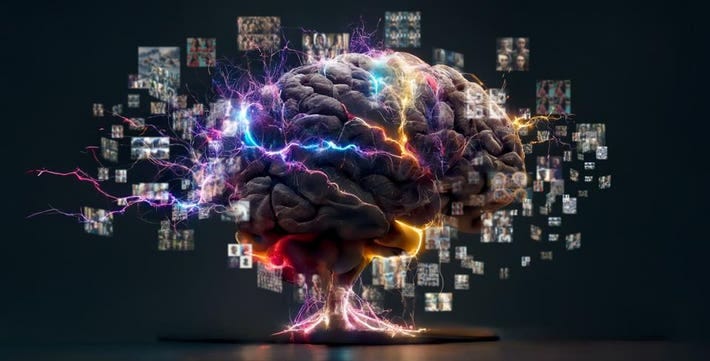
Mental health disorders affect millions of people worldwide, yet many individuals struggle to access timely and accurate diagnosis and treatment. In recent years, Artificial Intelligence (AI) has emerged as a promising tool for transforming mental healthcare by offering innovative solutions for diagnosis, treatment, and support. In this article, we’ll explore the intersection of AI and mental health, examine the potential applications of AI in diagnosis and treatment, and discuss the opportunities and challenges it presents.
Understanding the Mental Health Crisis
Mental health disorders, including depression, anxiety, bipolar disorder, schizophrenia, and post-traumatic stress disorder (PTSD), are among the leading causes of disability and disease burden globally. Despite the prevalence of these disorders, many individuals face barriers to accessing mental healthcare, including stigma, limited resources, and a shortage of mental health professionals.
The Role of AI in Mental Healthcare
Artificial Intelligence offers a range of capabilities that have the potential to revolutionize mental healthcare:
- Early Detection and Diagnosis: AI-powered algorithms can analyze vast amounts of data, including electronic health records, genetic information, and behavioral patterns, to identify early signs and symptoms of mental health disorders. Machine learning models can detect subtle changes in speech, writing, or facial expressions that may indicate underlying mental health issues, enabling earlier intervention and treatment.
- Personalized Treatment Planning: AI algorithms can help personalize treatment plans based on individual patient characteristics, preferences, and treatment responses. By analyzing data from electronic health records, genetic profiles, and treatment outcomes, AI can identify the most effective interventions for each patient, improving treatment outcomes and reducing the risk of adverse effects.
- Virtual Therapy and Support: AI-powered chatbots and virtual assistants can provide on-demand support, guidance, and therapy to individuals experiencing mental health challenges. These virtual agents use natural language processing (NLP) and sentiment analysis to engage in meaningful conversations, offer coping strategies, and provide resources for self-care and resilience.
- Predictive Analytics and Risk Stratification: AI algorithms can analyze diverse datasets to predict individuals’ risk of developing mental health disorders or experiencing relapse. By identifying risk factors and warning signs, AI can facilitate early intervention, crisis prevention, and targeted support for high-risk individuals, reducing the burden on healthcare systems and improving outcomes.
Challenges and Ethical Considerations
While AI holds tremendous promise for transforming mental healthcare, it also raises important ethical and practical considerations:
- Data Privacy and Security: AI-powered mental health tools rely on access to sensitive personal data, including health records, behavioral data, and biometric information. Ensuring data privacy, confidentiality, and security is paramount to protect individuals’ rights and maintain trust in mental healthcare systems.
- Algorithm Bias and Fairness: AI algorithms may inherit biases from the data they are trained on, leading to disparities in diagnosis, treatment, and outcomes for certain populations. Addressing algorithmic bias and ensuring fairness, transparency, and accountability in AI systems is essential to promote equitable access to mental healthcare for all individuals.
- Regulatory Oversight and Standards: As AI technologies continue to evolve, regulatory frameworks and standards for their development, validation, and deployment in mental healthcare are needed. Regulatory oversight can help ensure the safety, efficacy, and ethical use of AI-powered mental health tools while balancing innovation and patient protection.
- Human-AI Collaboration: While AI can augment mental healthcare delivery, it cannot replace the human connection and empathy that are essential to effective therapy and support. Integrating AI into mental healthcare systems in a way that complements human expertise, enhances clinician-patient interactions, and respects patient autonomy is critical for maximizing its benefits.
Conclusion
Artificial Intelligence has the potential to revolutionize mental healthcare by offering innovative solutions for diagnosis, treatment, and support. By harnessing the power of AI algorithms, data analytics, and virtual assistants, we can improve access to timely and personalized mental healthcare, enhance treatment outcomes, and reduce the burden of mental illness on individuals and society. However, realizing the full potential of AI in mental health requires addressing ethical, regulatory, and practical challenges, as well as ensuring that technology is deployed in a way that prioritizes patient well-being, equity, and privacy.
As we continue to explore the possibilities of AI in mental healthcare, let us strive to harness technology responsibly and ethically to support the mental health and well-being of individuals around the world.