
AI: An Ethical Dilemma for Writers
To What Degree, If Any, Should You Use AI For Writing Content?
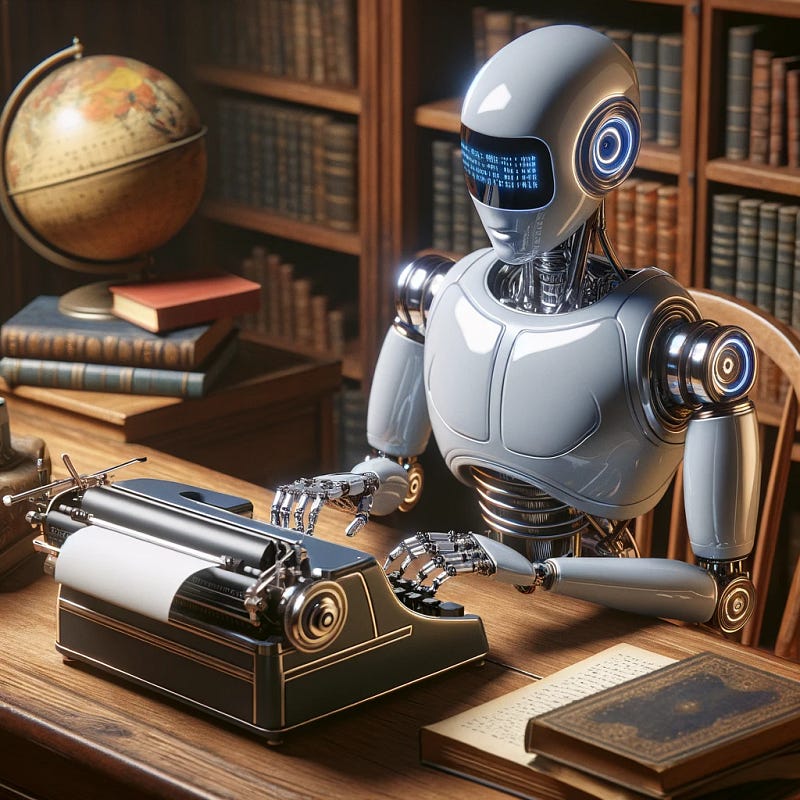
In the world of writing, Artificial Intelligence (AI) has stepped in as a new kind of assistant. It can suggest what we write next, check grammar, and even create entire pieces of content.
While AI brings convenience, it also stirs up a significant debate about whether content is truly yours if AI helps you write it. This question is particularly pressing for professional writers whose livelihoods depend on their craft.
Let’s explore the impact of AI on writing and consider what it means for the integrity and future of our profession.
The Ethical Implications of Writing With AI
Diving into ethics, the use of AI in writing presents a gray area. Writers utilizing AI might grapple with whether they should disclose this to their readers. The concern is about honesty — readers might feel deceived if they learn that a computer had a hand in crafting what they believed was a writer’s personal effort.
Then there’s the matter of ownership. If AI generates content, does the creation belong to the machine, the programmer, or the writer who prompted it? These questions challenge our traditional views on authorship and intellectual property.
In addition to honesty, there’s the issue of originality. If a piece of writing is heavily influenced by AI, can it still be considered original work?
As AI becomes more common in writing processes, setting clear ethical guidelines becomes imperative for us to maintain our reader’s trust and uphold the standards of the writing profession.
AI and Creative Integrity
Creativity is at the core of writing — it’s about bringing unique ideas to life and connecting with readers on an emotional level. While AI can mimic patterns of emotive writing, there’s skepticism about its ability to truly understand and convey the depth of human emotions.
AI might compile a touching story, but the nuance of personal experience and genuine sentiment often attributed to human writers might be missing.
This raises the question: can AI maintain the creative integrity that is expected in literary works?
Despite these concerns, AI does not diminish the need for a human touch in writing. The essence of a writer’s voice — our style, perspective, and insight — can’t be replicated by algorithms.
We need to ensure that our use of AI does not dilute the personal flair that readers connect with. Striking the right balance between AI assistance and personal creativity is crucial to safeguarding the soul of writing.
The Economic and Professional Impact on Writers

The emergence of AI in writing could lead to an oversaturated market. With the ability to churn out content at an unprecedented rate, AI threatens to lower the demand for human writers, potentially affecting our income and job security. This shift could fundamentally change the writing industry, making it harder for both established and aspiring writers to make a living solely through our words.
For freelance writers and journalists, the pressure is on to adapt to this new landscape. You may need to develop new skills to stay competitive, such as learning how to effectively integrate AI into your workflow while retaining your unique voice.
The challenge will be to leverage AI without letting it overshadow your personal touch and experience that is so critical to storytelling and writing.
Balancing AI Assistance with Human Skill
We writers must learn to coexist with AI, using it to enhance our work without becoming overly reliant on it. The true skill will lie in our ability to blend AI-generated content with our own expertise and insights. This partnership could lead to a new era of writing that is richer and more diverse, as long as the human element remains at the forefront.
It’s essential for us to maintain our role as the curators of content. By doing so, we can ensure that the stories and information shared with our readers continue to have the depth, context, and meaning that only we can provide.
As a writer, I believe we should view AI as a powerful tool in our toolkit, one that can help polish and refine our work, but not as a substitute for the human intellect and spirit that drive the craft.
There are already writers who have embraced AI, using it to break through writer’s block or speed up editing. Their experiences highlight both the advantages and the adjustments needed to incorporate AI into traditional writing practices.
Industry bodies, such as publishers and journalistic institutions, are beginning to establish guidelines for AI’s role in writing, ensuring transparency and ethical use.
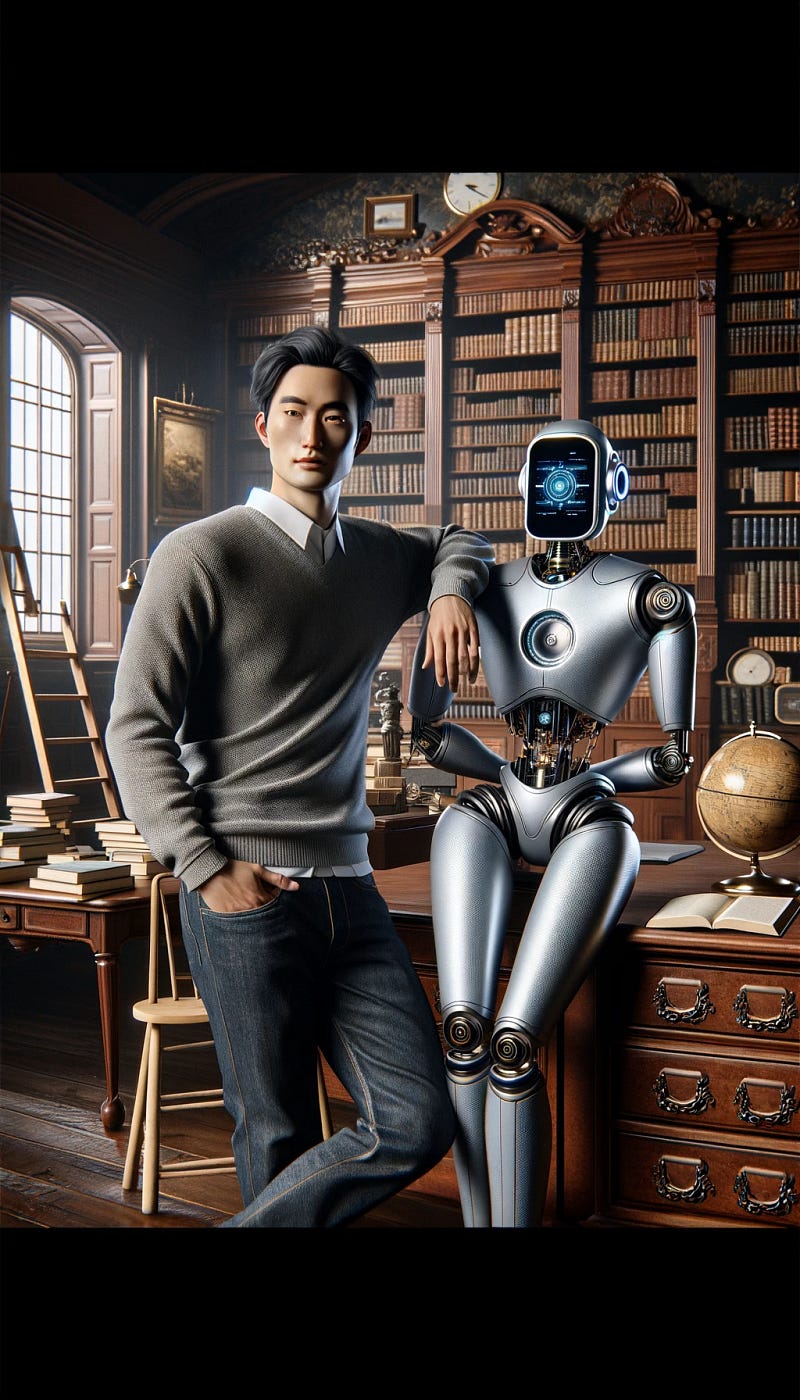
Our Future Living With AI As a Writer
As we look to the future, it’s clear that AI will have a role in writing, but it won’t be the starring one. The unique voices and styles of human writers will continue to be in demand, valued for our irreplaceable ability to tell stories that resonate on a human level. By setting standards now, the industry can safeguard the essence of writing for generations to come.
The future of writing isn’t AI-generated novels or articles, but rather, AI-enhanced writing that maintains the human touch. This balance will ensure that the art of writing remains a human-centric craft, reflecting the depth and diversity of our human experience.