
Agile: Don’t Exchange Waterfalls for Whirlpools
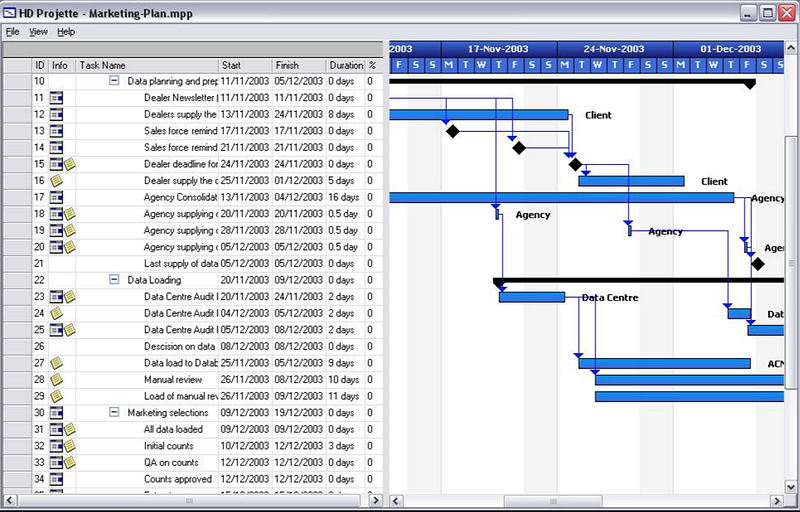
This is a waterfall:

In the Agile product development world, waterfalls are bad. The idea was to get away from things that look like this:
… and move to something that looks more like ocean waves:
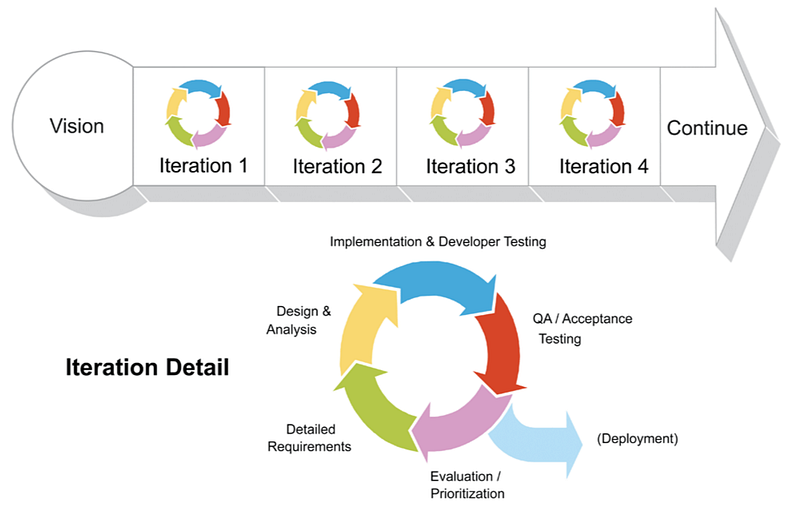
It actually works. Faster! Better! More flexible! Less rework! Less waste! What’s not to like? The business will change its mind all the time (those crazy suits) and you’ll just do some Agile kungfu on it. Scrum CHOP!
The problem is that Agile (as commonly implemented) often feels like a whirlpool. Without tending to the human side — diversity, safety, and celebrating meaningful results — it becomes a treadmill. It’s a constant slog of monotonous rituals and meandering iterative development… like adding globs of wet sand to a sand sculpture at the beach. ‘Round and ‘round you go … introspecting in a hall of retrospective mirrors:
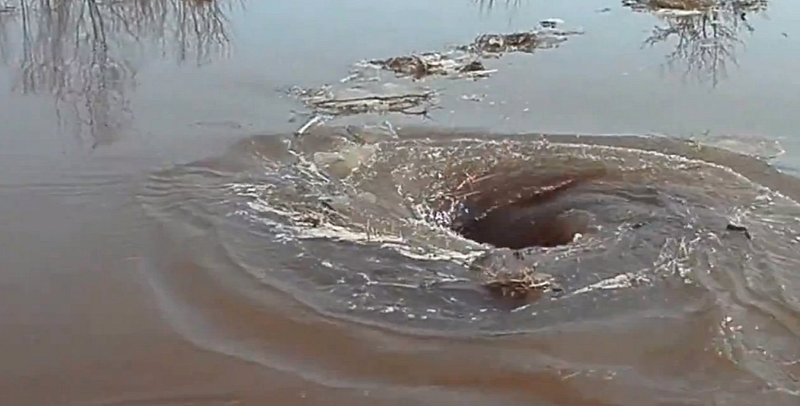
Retros. Planning. Backlog grooming. Acceptance criteria. Standup. Rinse repeat.
Without a focus on outcomes and results, you’re stuck on a feature factory treadmill. And you know what? Experienced people hate that. Crap made fast is still crap. They check out. Once you’ve graduated out of the pure bliss of releasing production-ready code, you start to wonder if anyone is using these “stories”. Is it working? Did you eventually build the car …
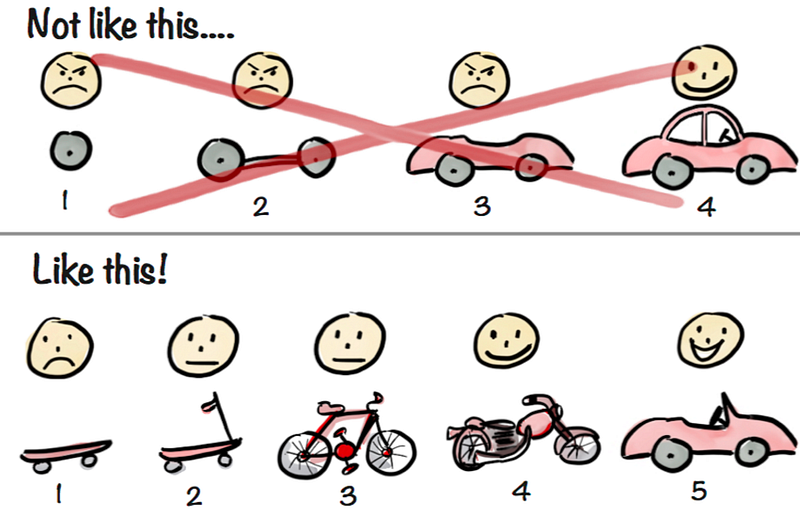
… or are you stuck in a perpetual MVP exercise wondering when the “business” will figure things out?
Have you checked out the This American Life episode on the GM Nummi plant? If not, do so here. What I found most interesting about this story is that GM couldn’t replicate the Nummi success in other plants. The original team — faced with an impending plant closure — visited Japan and had a transformative experience. They were empowered to save their plant and experienced amazing success. In other plants, that wasn’t the case. Those efforts failed.
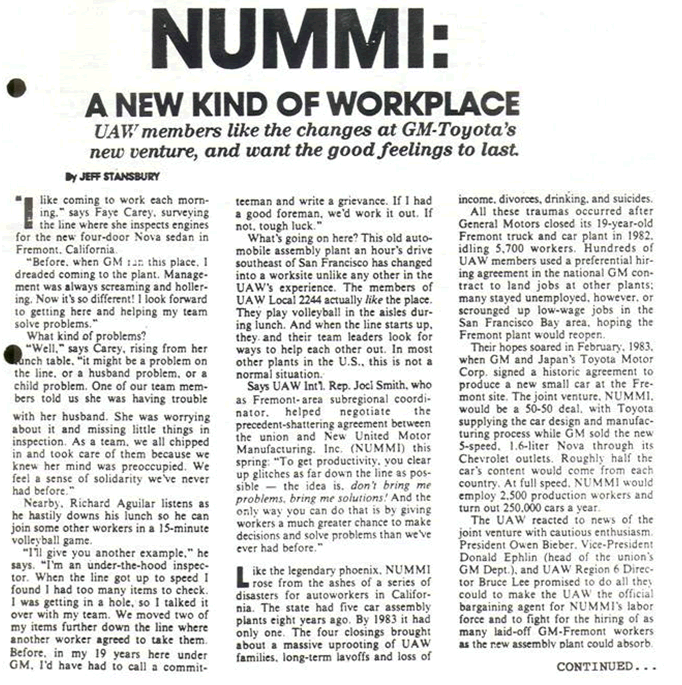
Before, when GM ran this place, I dreaded coming to the plant. Management was always screaming and hollering. Now it is so different! I look forward to getting here and helping my team solve problems.
Humans enjoy the ebb and flow! They like ambitious visions and a challenge. We enjoy stories with a beginning, middle, and end. We like making a difference!
There is a certain zen to iterative development …
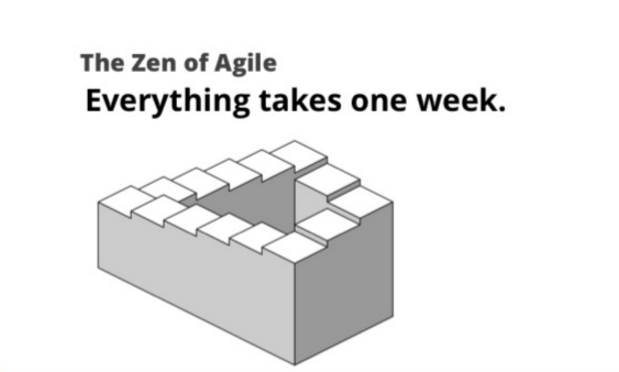
Esher Sisyphus or “Zen”?
And an almost “wax on / wax off” mystique …
Don’t forget to breath. Very important.
But Daniel eventually goes on to compete against the brutal Cobra Kai. There’s a story arc there.
All of that stuff you want: the scale, the growth , the speed, the quality, the control, the accountability, the predictability, the … agility is achievable without safety, diversity, and learning (at least for a short period of time). If you’re a big org and feel like some paint-by-numbers just implement SAFe.
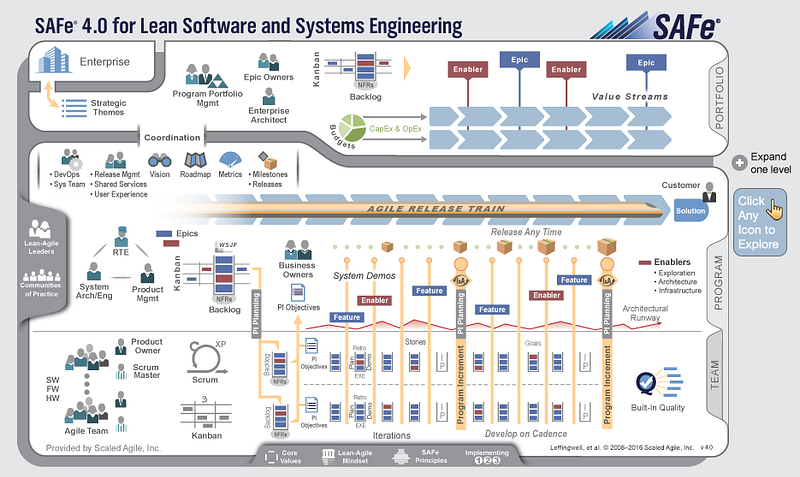
To get to a higher level you’ll eventually need the empathy, inspiration, creativity, humanity, and novelty:
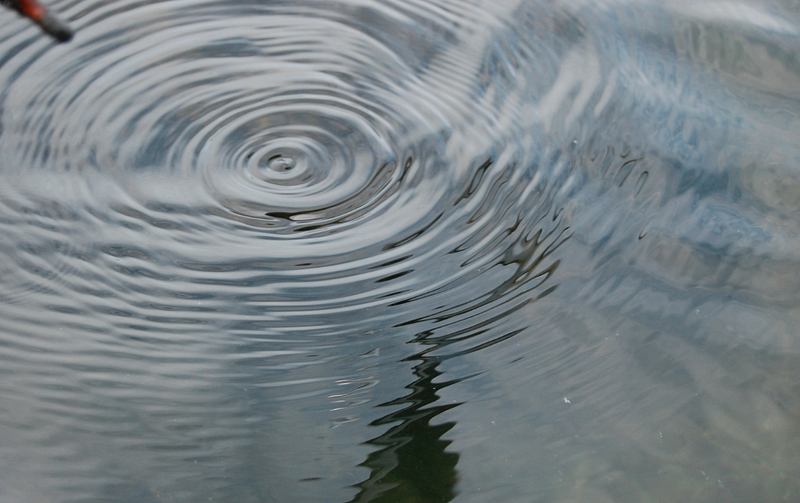
So, with that … think about ripples and impact. A powerful center, with power rippling outwards.
Appreciate your comments!


