
Aggression Isn’t the Answer, but It’s My Response
He taught me too well
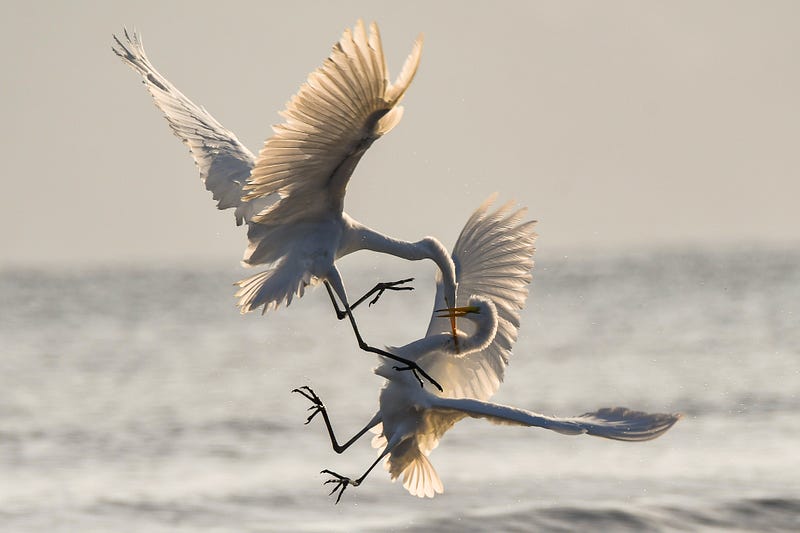
If you fold, you lose.
I can’t swim too well, but I learned to stay afloat in my household because I had to. People think that telling me how strong I am is a compliment. They don’t understand that I didn’t choose this. We don’t get to pick the families we’re born into: with the light of legal adulthood at the end of the tunnel, we resolve to make it from point A to point B. There’s nothing glamorous about it. There are no happy endings here.
Some things aren’t good or bad: they just are.
Growing up, I learned a lot of things.
What you want doesn’t matter.
How you feel doesn’t matter.
If you cry, expect laughter.
If you fold, you lose.
As a woman divorced from an abusive husband, my trauma resume is stacked. I have a laundry list of skills that, despite knowing better, I have decided to put to use. I hate to see anything go to waste.
I don’t like to cry because it doesn’t help. The throbbing of my head makes me dizzy, and even though it’s not something I’m accustomed to, I want somebody to comfort me. Somebody who doesn’t exist…not yet, anyway.
My sister plays the game better than me…not that she isn’t hurt. She just wears it better.
If you fold, you lose.
Can you gaslight the gaslighter?
Swish, swish
Can you yell a little louder?
Swish, swish
I’m just angry.
I swallow and swallow and swallow my anger until my insides swell and it bubbles up and out of me. There’s more where that came from: heaven help me. I’m overwhelmed but can’t let them see it. Achilles heel but I wear steel-toed, 2-pound, shock-resistant, waterproof construction boots. I don’t want anybody to see my weakness even though I’m painfully aware of its existence.
If you fold, you lose.
“If you don’t like me, get in line,” that’s what I tell people. Ice in my voice doubles as ice for my pain. They don’t know that this carefully crafted facade is a painkiller: I don’t do drugs, but it doubles as Advil for my heart. I live in fear of the day when they’ll catch me before I’m ready: wounded animals tend to be more aggressive than their healthy peers. My responses are knee-jerk reflexes: I swing before I think, and in a game of words, I don’t miss.
Defense becomes offense when your opposition doesn’t hit back: there’s nothing like an attacker born out of the ashes of the attacked.


