
Agency, Consciousness and Free Will
Agency is the ability of living beings to do stuff. When it is conscious, it becomes free will.
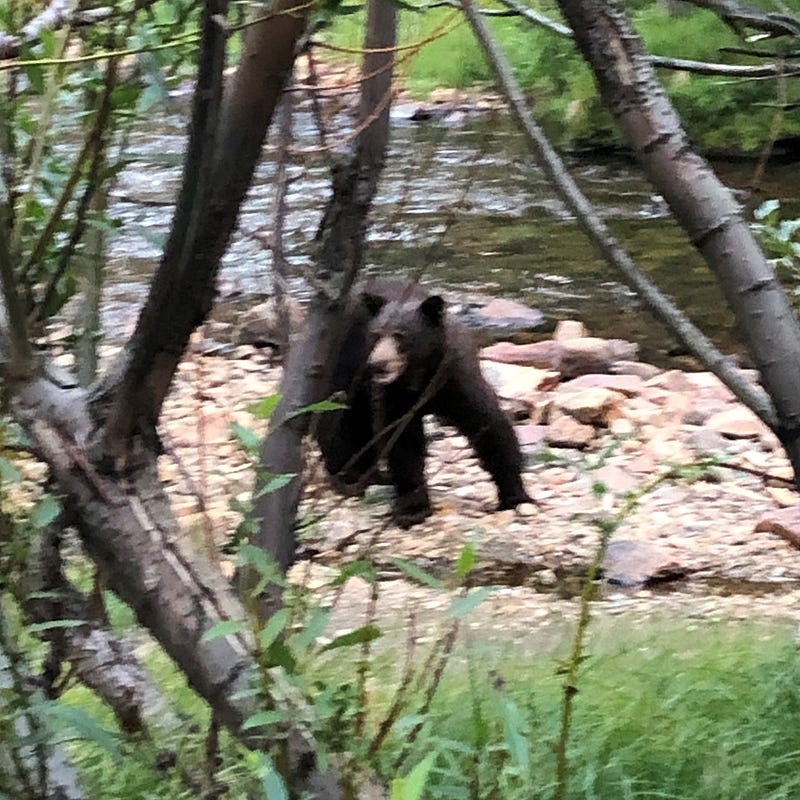
If I encounter a bear in the woods, my mind would race to guess its intentions. Will it attack me? Will it try to steal my food? Will it stay there long enough for me to whip out my phone and take a picture?
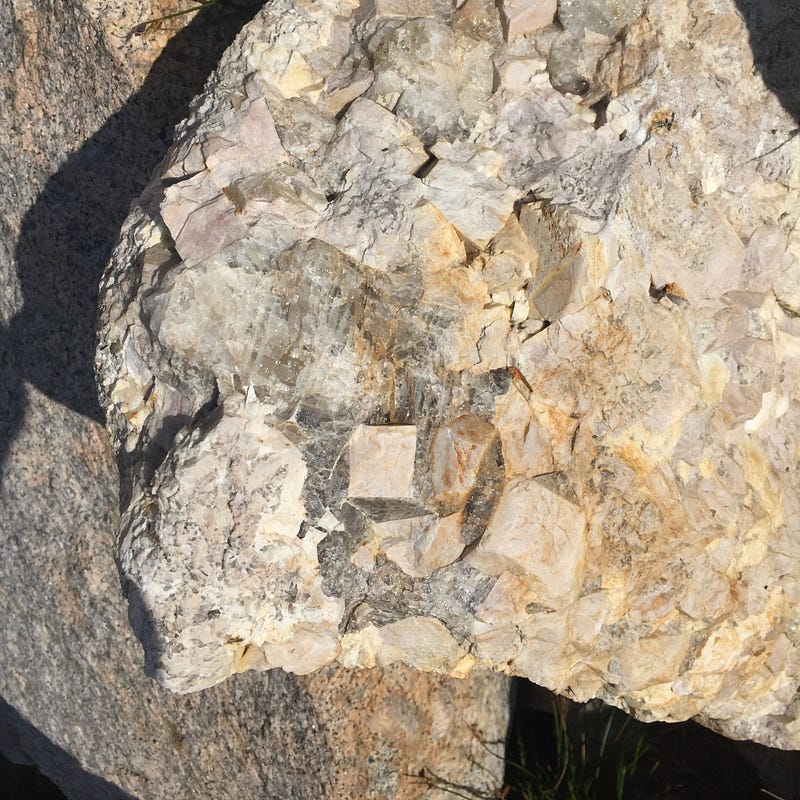
If I encounter a rock in the wood I would not try to guess its intentions. It has none.
When you think about it, one of the most surprising qualities of living beings is that they do stuff. They seem to have intentions. In that they are different from inanimate objects, which are just part of everything that is happening in the world. They are just one link in the chains of cause and effect. Living being, in contrast, have internal causes: they make things happen. Of course, things still happen to living beings, but they can do something about it. The lion will try to eat the gazelle, but the gazelle will run away.
Even plants do stuff: they grow into a pre-determined shape, they flower, they fruit. They use sunlight, air, water and soil nutrients to fulfill an internal plan.
Science has discovered that living beings have an internal plan stored as information in their genetic material. A complex system of intracellular and extracellular signals process that genetic information to follow a pre-determined plan that makes living beings stay alive as individuals and, through reproduction, as a species. The plan of what a living being would do in its life was created and perfected since immemorial times by the process of evolution.
I would define agency as the ability of living beings to generate internal causes according to a plan stored in their genetic material. This concept of agency is explained by Stuart Kauffman in his books At Home in the Universe and Investigations. Kauffman is a scientist doing research on complexity and the informational nature of life and evolution.
It is easy to be fooled by agency into believing that living beings are conscious, that they have intentions. However, agency can happens without consciousness. Imagine a robot that has been programmed to mine the environment for materials and use them to build other robots like him. That robot will have agency, but it would not be conscious. At a smaller scale, we have surrounded ourselves by devices that follow internal programs to do stuff, live that robot that vacuums apartments.
Humans and animals with complex nervous systems have agency and also have intentions. When you add consciousness to agency, you get free will:
agency + consciousness = free will
This supports the compatibilist interpretation of free will. It states that, even if the world is deterministic (i.e. the future is determined by a web of causes and effects), we have free will. By saying that we have agency and free will, we mean that we are able to generate internal causes that make things happen in the world. Of course, these internal causes are part of the general web of cause-and-effect, but they are separated from them by a boundary (the limits of our body and our mind) that defines who I am. In fact, I am a web of causes-and-effects inside that boundary. And so is a living being. The difference between me and a plant is that I am a conscious agent, while the plant is just an agent.
Seeing ourselves and living beings as agents goes a long way to help us to understand what we are.


