
After a Bout with the Flu, My Daughter Suddenly Couldn’t Walk
If your child starts walking on their toes or refusing to walk after a viral infection, don’t ignore it
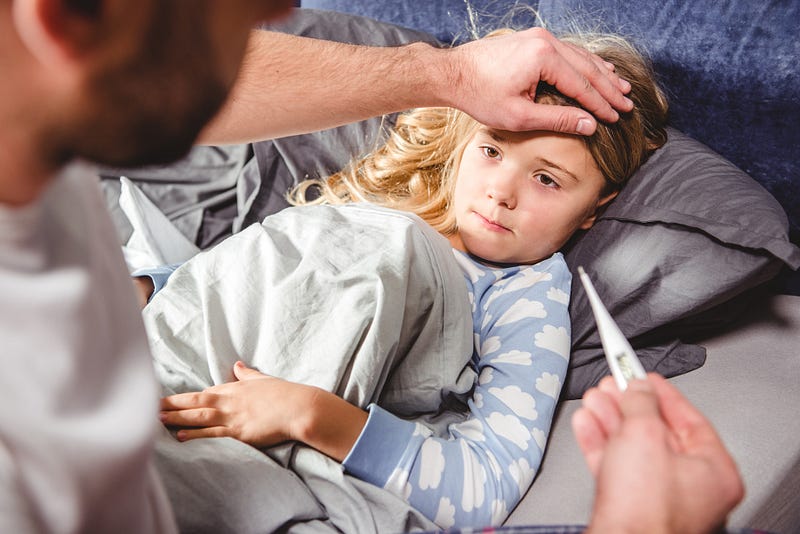
I knew we were headed for a long weekend when my 11-year-old daughter woke up vomiting with a 102 fever at 3 AM the day after Thanksgiving. What I didn’t expect was that as her symptoms began to improve, she would start having severe leg pain.
In the beginning, she had all of the symptoms of flu; body aches, high fever, fatigue, and congestion. By Monday, her fever was down, and her energy was returning, but she woke up unable to walk normally and complaining of excessive pain in her calves.
Her gait was a kind of strange toe walk which she said still hurt, but not as much as if she put her heel all the way down.
After a visit to her pediatrician and some blood tests, we were told she has influenza-related rhabdomyolysis.
What is rhabdomyolysis?
Rhabdomyolysis, called rhabdo for short, is a serious medical condition that occurs when muscle fibers die and release their contents into the bloodstream. It can cause damage to the heart and kidneys and is fatal in rare cases.
Athletes can develop rhabdo when they work out excessively. A runner may have a hard run in the heat without drinking enough fluids, and find themselves unable to walk the next day.
Another way to get rhabdo is what happened to my daughter. A viral infection caused severe dehydration, leading to her leg muscles beginning to break down.
Where are we now?
The blood tests showed my daughter’s creatine kinase (CK) levels were elevated, confirming rhabdo. Had the levels come back higher, her pediatrician would have sent her to the hospital for intravenous (IV) fluids. Because she has a mild case, she was sent home and told to drink 60 to 80 ounces of Gatorade per day.
A recheck the next day showed her CK levels were remaining stable. This was good news! She is home, resting and drinking lots of Gatorade as I write this.
How long does rhabdo last?
My daughter’s pediatrician said it can vary for each patient. We’re on day five of her leg pain, and it seems to be easing slightly, but it’s still there. We also have doctor’s orders to call immediately if her pain gets worse or her urine turns a dark brown color.
What to do if your child has leg pain after getting the flu?
This pain was unlike the aches you get from having the flu. It causes children to either refuse to walk at all or walk with a funny gait on their toes.
If your child starts having severe pain in their calves or legs following a viral infection, call your doctor. If it’s rhabdo, they may need to be hospitalized for a few days to get on an IV to help flush out their system.
Note: I’m not a medical professional. This article is not meant to be medical advice. It’s a personal account of what happened to my family. See your doctor if you suspect rhabdomyolysis in yourself or your child.
Want to unlock unlimited stories like this one? Consider becoming a Medium member for $5 per month. If you sign up with my referral link, I’ll receive a small commission at no extra cost to you.


