
Afraid You Are a Fraud? Take a Reality Check to Crush Imposter Syndrome
“It’s not what you are that holds you back, it’s what you think you are not.” — Denis Waitley
Albert Einstein, famously said: “the exaggerated esteem in which my lifework is held makes me very ill at ease. I feel compelled to think of myself as an involuntary swindler.”
Maya Angelou, humbly acknowledged: “I have written eleven books, but each time I think, ‘Uh oh, they’re going to find out now. I’ve run a game on everybody and they’re going to find me out.”
Chief Operating Officer of Facebook, Sheryl Sandberg, openly admits: “There are still days when I wake up feeling like a fraud, not sure I should be where I am.”
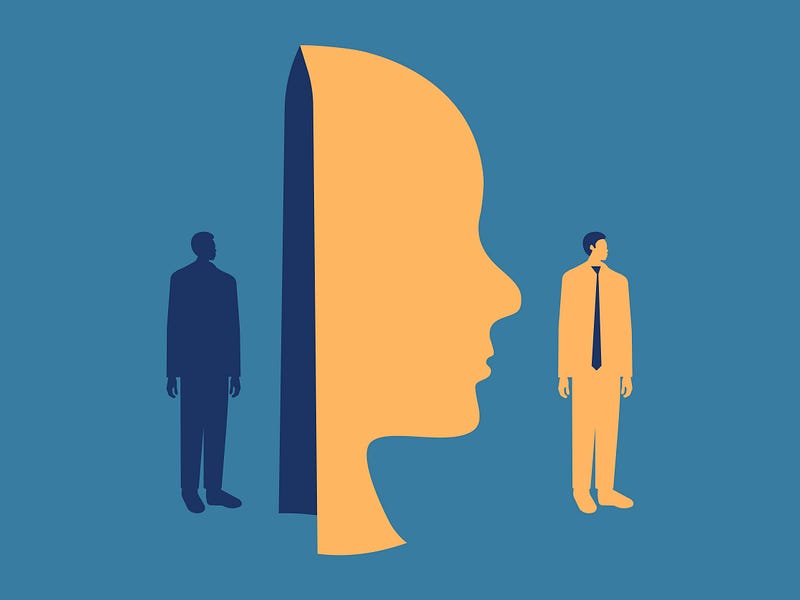
The term imposter syndrome relates to self-doubt and the fear of being discovered as a fraud. Typically, it’s about career insecurity, but you could worry you aren’t good enough to fulfill roles like being a parent or student too.
People with imposter syndrome imagine others will find out they’re incompetent and the humiliation will be tantamount to social death. They think they’re viewed as more capable than they are and don’t deserve their status. The thought of being outed mortifies them. If you suffer from imposter syndrome, a reality check can help you gain perspective.
Reality Check
Reign in your doubt. Everybody worries they aren’t up to par occasionally. Self-evaluation is part of being human. Also, if your fears are about an unfamiliar experience, like being a parent for the first time, recognize everyone’s been in your shoes. You may have intellectual know-how, but until you gain experience from practice, you can’t expect to achieve brilliant results. Being a rookie doesn’t mean you are an imposter.
You Got Where You Are for a Reason
Imposter syndrome might make you feel like your success stems from good fortune or is a mistake. But people make their own luck. You got where you are because you’re the right person for the job, and if your fears relate to anything other than your career, the same applies.
It’s Okay to Make Mistakes
Even experts make mistakes. Part of the reason they become authorities stems from having the courage to fall flat on their faces and the resolve to get back up again. They learn from blunders and their competence grows.
If you have imposter syndrome, no doubt, you worry about getting things wrong. You don’t want anyone to witness your errors because you think they will judge you harshly. The chances are they won’t make your gaffes into a big deal, however, if you admit your mistakes and don’t emphasize them.
Honesty can quell other misgivings, too. Imposter syndrome may make you want to hide your struggles or blunders, but it’s fine to admit you don’t have answers. You can always expand your know-how, and lack of it doesn’t mean you’re incapable. Your value arises from a combination of your skills, knowledge, and personality traits that grow.
If It Feels Easy, That’s Because You Know What You’re Doing
People with imposter syndrome sometimes worry when tasks are easy. Thoughts like, “I must have missed something” ruin their well-being. It might help to know it’s just as normal to feel concerned when things go well as when problems arise if you have imposter syndrome. Even business moguls aren’t immune to self-doubt when their jobs seem too simple. So remember, setbacks often have nothing to do with your professionalism or competence.
You Need Not Prove Yourself
Imposter syndrome often turns sufferers into perfectionists. You might aim to prove yourself and do far more than is necessary. It helps to notice, no matter your successes, the fear you are a fraud lingers. You can’t make it go away by working longer hours or getting more done.
Nor can accolades or other accomplishments lower the notion you’re an imposter. The way to get rid of fear is to work on your self-esteem, not struggle to show people you are worthy. You need to recognize you are valuable.
Procrastination Won’t Reduce the Fear You Are a Fake
Many people with imposter syndrome put off important tasks and projects. You might be so fearful of screwing up that you procrastinate. For a short while, putting off jobs gives you respite. But the sense of relief doesn’t last. Procrastinating makes matters worse because you have to rush to get things done at the last minute.
Comparing Yourself to Others Fuels Imposter Syndrome
If you have imposter syndrome, it’s likely you compare yourself to people you think are better than you. You check out their performance, popularity, attractiveness and other attributes and come off worse. You can’t gauge your worth when you compare yourself though, because you and your gifts are unique.
It’s Time to Expand
Imposter syndrome makes people shrink. You may hide your gifts because you don’t recognize them. When you do your best to emulate other people’s abilities, your strengths fall by the wayside. Rather than shrink and hide, it’s time to shine and expand.
You can reduce imposter syndrome by bringing your gifts to the fore. Show your strengths instead of aiming to copy other people’s. If you aren’t sure what your gifts are, consider what you love to do or would do if you had more confidence.
Are you a wonderful artist? Or a storyteller? Are you empathic? Kind? Organized? Fabulous with numbers? Identify your strengths. Jot them in a journal, and refer to them when imposter syndrome strikes, and vow to use them more in the roles you undertake. Practice them and your well-being will expand.
Don’t let imposter syndrome reduce your personal power. Take a reality check. Recognize most people suffer from self-doubt at times, and you got where you are in life because of your competence. Expand your personal power and use your gifts, then let self-worth seep into your psyche.


