
Afraid of the End of the Lockdown?
This is how we arm ourselves against leisure time stress
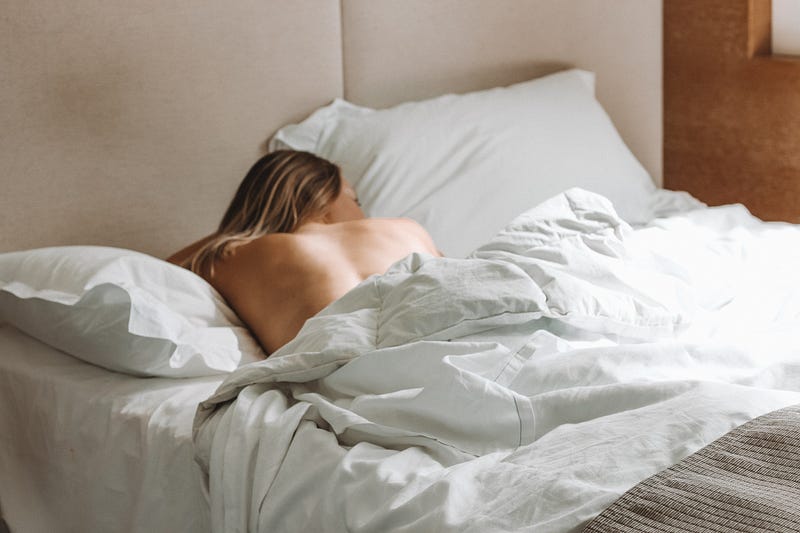
We all want our lives to go back to normal. Meetings with friends or family, shopping trips, birthday parties, and the long-awaited vacation. But why can an uneasiness or even a fear of the end of the lockdown also arise in us? And what can we do to feel comfortable during the transition and in the new-old reality — perhaps even more comfortable than before?
The lockdown was a slowdown
If someone had told us about the lockdown two years ago, we would not have thought this drastic change in our living conditions possible. Even when the time actually came, we didn’t know at first how the external restrictions would affect us psychologically. Because it’s only now that we finally find out how they feel in the long term.
This includes getting used to them and making them less of a concern. If we pay attention to that, we can see from it how adaptable we are as people. This includes not only “putting up with” certain things at some point but also arranging ourselves in the best possible way, making a virtue out of necessity, and gaining something positive from the lockdown. Keyword: deceleration.
Where does the fear of the end of the lockdown come from?
So now we live decelerated lives, hold online meetings in sweatpants — if at all — don’t have annoying commutes to work, don’t need to make excuses to ourselves about why we don’t go to the gym, and having food delivered is almost part of the good lockdown tone. After all, restaurants have to survive somehow, too.
Now, when we hear about the long-awaited relaxations, besides all the joy, we felt queasy. Not only could relaxations mean the end of convenience, but our FOMO, the fear of missing out, could boil up again. If everything is open and possible, then we’ll probably have to keep up with the others again: showing up at the office with pants and styled, presentable after-work plans, adventurous long-distance vacations, parties with as many guests as possible, selfies at the gym — we’re talking about leisure stress.
How does leisure time stress come about?
On the one hand, leisure time stress can arise because we are so interested in so many things and therefore can hardly decide whether we would rather play soccer, learn Arabic, or take the cooking class — so we just sign up for everything. However, the result can be that we don’t have a minute of idle time and even if we enjoy all the activities as much as we like, we can get stressed out.
On the other hand, leisure stress can be caused or contributed to by the fact that we compare ourselves to others. We see the lives of our peers and wonder why we still don’t do yoga or have never played an escape game. We feel the pressure that scratches at our self-worth. So we schedule our free time with activities to be as busy and interesting as others. This can easily lead to too much of a good thing and stress.
The fear of the end of the lockdown stems, among other things, from the fact that we worry about being able and supposedly having to spend ourselves again after all the possibilities of normal circumstances.
The first step when we feel the fear of end of lockdown.
As with all fears, the more we try to control them or get rid of fearful thoughts, the more we will focus on them and thus suffer from them.
The first step, therefore, is to acknowledge: Yes, it sounds strange, but I feel anxious and uncomfortable thinking about life after lockdown.
Of course, this doesn’t mean wishing the lockdown situation would last longer. Rather, it’s about being very specific about what the Lockdown has taught us. By continuing to be aware of these insights and maintaining new good habits, we can arm ourselves from floundering in normalcy.
Relaxed and decelerated even after the lockdown
It wasn’t just the external circumstances that helped many people who were already longing for deceleration before the lockdown to finally really slow down. It was also the knowledge: All people are not doing more than me right now. I’m not the only person doing little and therefore experiencing less. So I don’t have to feel bad about being at home, sleeping more, reading, and prioritizing internal rather than external.
So if we want to live more decelerated lives even after lockdown, we’re guaranteed to have to put up with others ramping up again — while we maintain our leisure.
Of course, we can enjoy our regained freedoms, meet up with friends or go on vacation. But we should always ask ourselves: am I doing this just for me or to calm my fear of missing out?
A courageous list
It takes courage to even admit to yourself that the lockdown has also brought positive aspects. It’s easy to get into explanatory trouble in front of others or yourself because, after all, we’d be happy if this pandemic hadn’t happened. But instead of holding on to this unfulfillable wish in frustration, we can also be brave and ask ourselves:
What could and can I learn from the Corona pandemic and lockdown? Make a list of positive aspects that you were able to gain from this difficult time for you.
These can be qualities such as patience, equanimity, or adaptability. But also concrete habits like sleeping 8 hours a day, meditation, reading or family time, regular phone calls to relatives, tidying up your home, yoga, or cozy couples’ evenings in front of the TV.
Awareness and planning instead of fear of the end of the lockdown
If you become aware of your positive qualities, such as patience and adaptability, which this lockdown has really demanded of all of us, you can use them to strengthen your self-worth. For example, write them down and hang them on your refrigerator.
To feel less uneasy or anxious about the end of the lockdown, you can also be specific about what habits you want to maintain and plan for them. For example, continue to take 10 minutes to meditate in the morning, even when it’s time to go back to the office. Or only go out every other weekend on one day in the evening to rest enough on the other.
If you want to suffer less in these endeavors from the thought that everyone else is supposedly experiencing much more than you, you can keep the following mantra in mind while doing so: Mindful and aware instead of stress and frustration. And normality can come.


