
Affirmative Action Overturned by SCOTUS: A Step Backwards in Our Fight for Equity, but New Paths Emerge
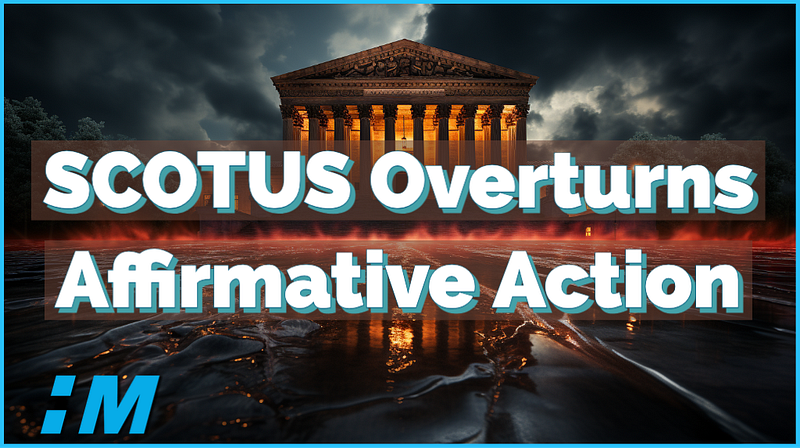
A Setback for Educational Equality: Affirmative Action Overturned
In what is a shocking turn of events for some, the Supreme Court of the United States (SCOTUS) has overturned Affirmative Action in higher education, asserting that it was a form of racial discrimination. This decision is a blow to progress, a denial of the enduring effects of systemic racism, and a significant step backwards for our nation’s commitment to equality and inclusivity.
The SCOTUS decision suggests a fundamental misunderstanding (or blatant disregard) of why Affirmative Action was necessary in the first place. “Eliminating racial discrimination means eliminating all of it,” they argue, failing to recognize that Affirmative Action was a direct response to deeply ingrained discrimination and systemic bias that has pervaded our society for centuries. The fallacy that we’re living on a level playing field is not just wrong; it’s detrimental to the advancement of those who have been historically marginalized.
Elevating Voices: Centering Communities and Showcasing Success Stories
United, we will fight tenaciously until every student — inclusive of every background — has equal access to higher education and the freedom to chase their dreams. Our nation could flourish if we harnessed the talents and potential of students from all races and ethnicities, fostering a culture of mutual respect. So, despite this ruling, we refuse to let it dictate our narrative.
Here’s what we’ll continue to do instead: We’ll choose to spotlight the communities most impacted by this decision. We’ll strive to honor the individuals whose triumphant stories of resilience and prosperity against all odds deserve applause, not repression. Now as much as ever, these narratives hold paramount importance. They’ll continue to kindle the spark within our youth, encouraging them to reach their fullest potential and debunking negative stereotypes that are often artificially attached to their identities.
We won’t just stand by as those in positions of power and privilege attempt to barricade the avenues of opportunity and leadership for our children, while keeping those same roads open for their own. Education is not a request-it’s a demand. We seek it for our people, insisting on an education system that fosters equity, inclusivity, and above all, justice.”
Paving Alternative Paths: Embracing New Mexico’s Free Higher Education
In response to the recent ruling, it’s time for us to seek out and highlight alternative paths to higher education. One such option is found in the state of New Mexico, which is leading the charge by offering free higher education to all its residents. Here’s a quick breakdown of what this means:
- Full coverage of tuition and fees at all public colleges and universities in New Mexico
- Includes both part-time and full-time students
- Open to students pursuing credit-bearing career training certificates, associate degrees, and bachelor’s degrees
- Available to all New Mexico residents, irrespective of their background or financial standing
This could be a game changer, particularly for Black students and families aspiring to achieve a 4-year college degree. Cities like Albuquerque, with their welcoming communities and supportive environments, could provide the ideal backdrop for pursuing these aspirations. It’s opportunities like these that we must seize and champion in the wake of decisions that threaten to set us back.
The Responsibility of Universities: Expanding Opportunities
While states like New Mexico step up to champion the wellbeing of their residents, universities, too, hold a crucial responsibility to broaden opportunities. Despite the likelihood that the SCOTUS ruling will trigger a restructuring of admissions processes, it’s imperative that universities continue to dismantle the barriers obstructing the path to higher education and leadership.
Inclusion has to be a core tenet of higher education. This of course will require significant changes. Universities need to champion transparency in their admissions processes, ensuring they are fair and equitable. They should reevaluate the weight given to standardized tests (or the tests themselves), recognizing the inherent bias they perpetuate. Lowering tuition costs is another crucial step that will enable more students to access higher education. And it’s also time we confronted the privileged tradition of legacy admissions, working to phase out a practice that prioritizes lineage over merit.
In light of these challenges, universities should consider adopting a Targeted Universalism approach. This model allows for universal goals to be established while acknowledging that different resources and strategies may be needed to ensure that all students, regardless of their backgrounds or current situations, can achieve these goals. This approach helps ensure that everyone, especially those from marginalized or disadvantaged communities, has the support they need to access higher education
We can’t afford to let recent setbacks deter or dissuade us. Instead, we have to use them as the inspiration to double down our efforts, ensuring that the doors of opportunity remain open to all, inclusive all of races or socio-economic statuses.

The Continuation of the Fight for Equal Opportunity
Regardless of the relentless attempts by anti-civil rights factions to sow discord among the people, our unity remains uncompromised. We are committed to equal opportunity and freedom from discrimination. We know that when everyone has access to higher education, we all benefit. Education is a well-established path to liberation. We understand the fundamental truth that when higher education is accessible to everyone, the benefits ripple through our entire society. Our strength lies in our unity, and together, we’ll persist in shaping a future that’s brighter and more inclusive.
Therefore, our struggle for educational justice and equal opportunity will not stop. We can’t stop, won’t stop. In a nation as diverse as ours, it’s crucial that students from all walks of life — uninhibited by the zip code of their birthplace — learn, grow, and thrive together in our colleges and universities. Every student is entitled to feel valued, to chase their dreams, and to contribute to the fine fabric of the future of this country. Our fight isn’t just about achieving equality in education; it’s about creating a society where everyone is equally supported to succeed.
Your version is already quite compelling and well-structured. Here’s a slight refinement for grammar and clarity:
Standing Against Age-Old Injustice, Renewing Our Resolve
This pushback isn’t new. It’s part of a long history of attempts to dismantle civil rights and deny fairness to people of color. After all, anti-Black racist policy has been the bedrock of this country. However, we are resolute, focused, and refuse to back down. We’ll persist in our fight against educational inequalities, ensuring that every student, regardless of their race or ethnicity, is set up to thrive. Black people deserve to thrive.
Our commitment to racial equity must be unwavering. Together, we will continue the fight until every student has an equal opportunity to access higher education and realize their dreams. Now, let’s explore new opportunities for higher education, like those offered by the state of New Mexico. Education, of course, is just one piece of the puzzle, albeit a significant one.
When I say we want land, food, housing, education, clothing, justice, and peace, I speak for the people. We will convert this adversity into action and continue our quest for equality and justice in the face of resistance.
Originally published at https://hashimmteuzi.com on June 29, 2023.


