avatarDanielle Herring

Free AI web copilot to create summaries, insights and extended knowledge, download it at here

3415

Abstract

eate vegan versions of your favorite recipes.</h1><p id="d794">The 1896 vegan cookbook,<i> <a href="https://archive.org/details/cu31924003564774/page/n183/mode/2up">The Fat of the Land and How to Live On It</a></i>, provided plant-based baking tips, including the recommendation to replace dairy products and animal fats with vegetable fats and nuts, which are staples of many modern vegan recipes.</p><blockquote id="db56"><p>Substitute vegetable fats and nuts for animal fats and dairy products. They are less expensive, more healthful and but little more than half the quantity is required for any desired result. The food is sweeter, lighter, and devoid of any greasy odor or taste. (p. 177)</p></blockquote><figure id="9400"><img src="https://cdn-images-1.readmedium.com/v2/resize:fit:800/0*TCsf3YryQLgF36vb"><figcaption>Vegan Birthday! By Sugar Daze <a href="https://openverse.org/image/9c1961c8-dbfd-4062-8f2e-c7f400ac932e?q=vegan%20pastry">openverse</a> <a href="https://creativecommons.org/licenses/by-nc-nd/2.0/">Image License</a></figcaption></figure><h1 id="e11e">#4 Share delicious vegan food with friends.</h1><p id="7ef5"><a href="https://archive.org/details/cu31924003564774/page/n213/mode/2up"><i>The Fat of the Land</i></a><i> </i>also provided readers with advice on entertaining while maintaining a plant-based diet, a dilemma sometimes faced by modern vegans. The book recommended creating appealing plant-based offerings suited to the occasion.</p><blockquote id="f3af"><p>But if we must eat to express our sociability, let us set before our guests luscious fruits, unsullied with caterers additions and decorated with nature’s appropriate leaves and flowers, rather than the milliners art. These served with wine freshly pressed from the grape, or even pure sparkling water are sufficient for the daintiest repast. Should stronger food be desired the nut family will supply it, from the snow-white mound of cocoanut to the plebeian hickories, may be obtained sufficient variety to satisfy the most critical. If something more elaborate be essential invite the golden wheat to contribute a tempting array of various kinds of bread, and when still more is demanded, then engage the vegetable host to assist in furnishing color and variety to your table and with the addition of nut meats in lieu of flesh, a dinner fit for an empress may be served. (p. 207-208)</p></blockquote><figure id="8df0"><img src="https://cdn-images-1.readmedium.com/v2/resize:fit:800/0*OiiVMXIFT2bUnQpx"><figcaption>Vegan Festival Mongolia by Orgio89 <a href="https://commons.wikimedia.org/wiki/File:20230826_144501_Vegan_Festival_Mongolia_2023.jpg">Wikimedia Commons</a> <a href="https://creativecommons.org/licenses/by-sa/4.0/deed.en">Image License</a></figcaption></figure><h1 id="87a7">#5 Veganism is more than a diet, but don’t become overwhelmed!</h1><p id="9e1c">The 1910 vegan cookbook <a href="https://ia903202.us.archive.org/12/items/noanimalfoodandn22829gut/22829-8.txt"><i>No Animal Food</i></a> indicates that ethical veganism involves avoiding animal products in other aspects of life such as clothing, but advises the reader to not become overly consumed with avoiding every animal product. Enjoying your life as a vegan can be an important part of encouraging others to reduce their consumption of animal products and considering veganism for themselves.</p><blockquote id="dc3a"><p>We must endeavour i

Options

n practical life to carry out to the best of our ability our philosophical and ethical convictions, for any lapse in such endeavour is what constitutes immorality. We must live consistently with theory so long as our chief purpose in life is advanced by so doing, but we must be inconsistent when by antinomianism¹ we better forward this purpose. To illustrate: All morally-minded people desire to serve as a force working for the happiness of the race. We are convinced that the slaughter of animals for food is needless, and that it entails much physical and mental suffering among men and animals and is therefore immoral. Knowing this we should exert our best efforts to counteract the wrong, firstly, by regulating our own conduct so as not to take either an active or passive part in this needless massacre of sub-human life, and secondly, by making those facts widely known which show the necessity for food reform.</p></blockquote><blockquote id="4d63"><p>Now to go to the ultimate extreme as regards our own conduct we should make no use of such things as leather, bone, catgut, etc. We should not even so much as attend a concert where the players use catgut strings, for however far distantly related cause and effect may be, the fact remains that the more the demand, no matter how small, the more the supply. […] He who would practise such absurd sansculottism² as this would have to resort to the severest seclusion, and plainly enough we cannot approve of such fanaticism. By turning antinomian when necessary and staying amongst our fellows, making known our views according to our ability and opportunity, we shall be doing more towards establishing the proper relation between man and sub-man than by turning cenobite³ and refusing all intercourse and association with our fellows. Let us do small wrong that we may accomplish great good. Let us practise our creed so far as to abstain from the eating of animal food, and from the use of furs, feathers, seal and fox skins, and similar ornaments, to obtain which necessitates the violation of our fundamental principles.</p></blockquote><p id="880b">The first vegan cookbooks show that vegans of the past valued the rights of animals and the power of plants as food. Their advice, some of it remarkably relevant a century later, helped others to make steps towards a more ethical future.</p><p id="6049">Notes:</p><ol><li><a href="https://www.merriam-webster.com/dictionary/antinomian">antinomianism</a>: theological term of Greek origin that colloquially means the rejection of socially established morality.</li><li><a href="https://www.merriam-webster.com/dictionary/sansculotte#:~:text=%3A%20an%20extreme%20radical%20republican%20in,%CB%8Csanz%2Dku%CC%87%2D%CB%88l%C3%A4%2Dtik">sansculottism</a>: radical extremism (usually in reference to politics.)</li><li><a href="https://www.merriam-webster.com/dictionary/cenobite">cenobite</a>: a member of a religious group living in a monastic community.</li></ol><p id="98eb"><b><i>Thank you for reading!</i></b></p><p id="5461">For more vegan, vegetarian, and botanical histories, follow Plant Based Past on Medium.</p><p id="83b3">You can sign up for email alerts to receive the next story when it becomes available, just by clicking the envelope icon.</p><p id="f2e0">Next Week: <i>Taraxo, Postum, and Breakfast Powders: A Vegetarian History of Tea and Coffee Alternatives</i></p></article></body>

Advice from the Past on Going Vegan
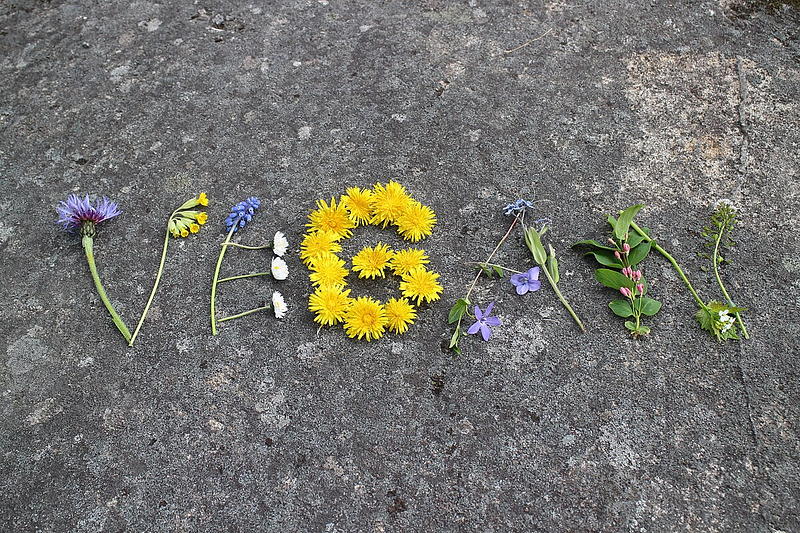
Vegan by Helen Alfrevegan Wikimedia Commons Image License

If you’re curious about going vegan, there is an abundance of print books and websites now available to help any beginner in their journey towards a more plant-based diet and ethical lifestyle. Some of the earliest vegan cookbooks also advised their readers on how to change their diet, and I think some of that advice is still relevant to anyone currently vegan or curious about trying it out today. Here’s five pieces of advice from the past on going vegan.
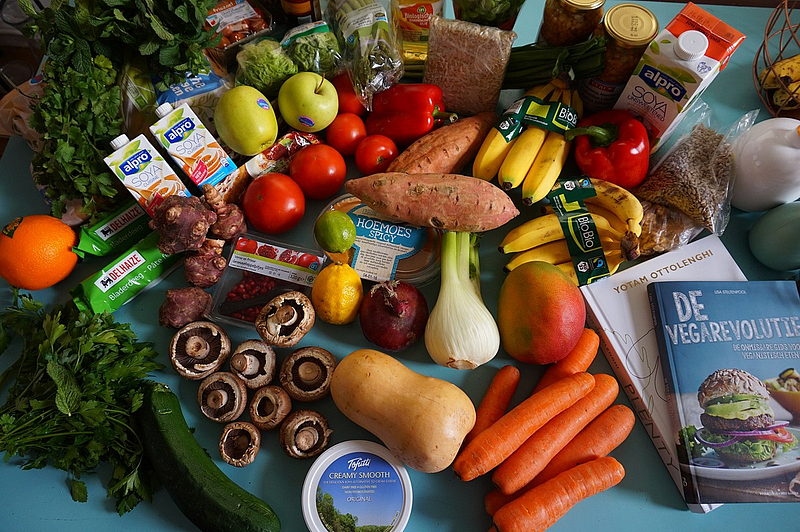
Vegan and Vegetarian Grocery Shopping and Cookery Books Wikimedia Commons Public Domain

#1 Learn about plant-based nutrition.

Having knowledge about nutrition is important when it comes to planning plant-based meals. This 1865 vegan cookbook, The Hygienic Cook Book advises the reader to research “vegetable diets” and their benefits:

Let those who think meat an indispensable article of diet, investigate this subject, and they will learn that man can live longer, enjoy better health, and endure greater hardships upon a vegetable diet, than one of flesh. (p. 15)
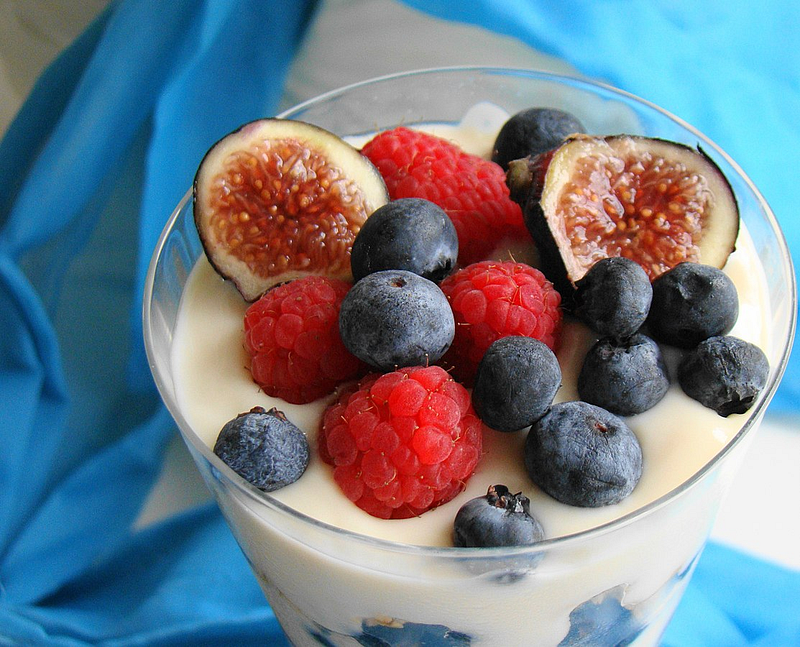
Vegan Parfait by Vegan Feast Catering Wikimedia Commons Image License

#2 Eat varied and satisfying meals.

From the advice in the 1887 vegan cookbook, The Vegetarian Cookbook, it’s clear that early vegans also knew the importance of incorporating a variety of foods, including fresh produce to create a healthy and satisfying plant-based diet.

A sufficient breakfast should be taken, a light dinner, and a substantial supper. A breakfast of rolls and coffee is not a sufficient meal. Fruit of some sort should be had at least twice a day. (p. 50)
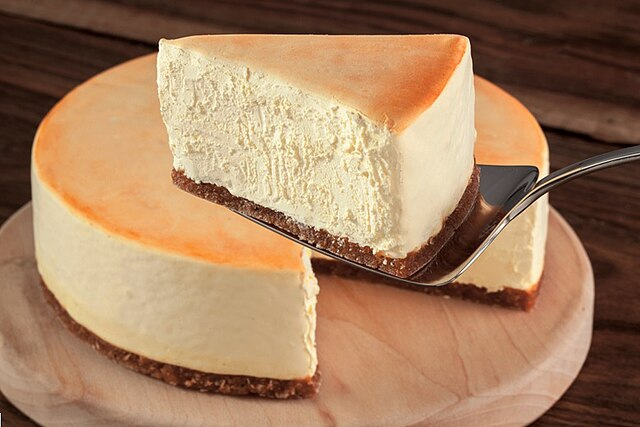
Vegan Cheesecake by Sirabellas Wikimedia Commons Image License

#3 Try easy swaps to recreate vegan versions of your favorite recipes.

The 1896 vegan cookbook, The Fat of the Land and How to Live On It, provided plant-based baking tips, including the recommendation to replace dairy products and animal fats with vegetable fats and nuts, which are staples of many modern vegan recipes.

Substitute vegetable fats and nuts for animal fats and dairy products. They are less expensive, more healthful and but little more than half the quantity is required for any desired result. The food is sweeter, lighter, and devoid of any greasy odor or taste. (p. 177)

Vegan Birthday! By Sugar Daze openverse Image License

#4 Share delicious vegan food with friends.

The Fat of the Land also provided readers with advice on entertaining while maintaining a plant-based diet, a dilemma sometimes faced by modern vegans. The book recommended creating appealing plant-based offerings suited to the occasion.

But if we must eat to express our sociability, let us set before our guests luscious fruits, unsullied with caterers additions and decorated with nature’s appropriate leaves and flowers, rather than the milliners art. These served with wine freshly pressed from the grape, or even pure sparkling water are sufficient for the daintiest repast. Should stronger food be desired the nut family will supply it, from the snow-white mound of cocoanut to the plebeian hickories, may be obtained sufficient variety to satisfy the most critical. If something more elaborate be essential invite the golden wheat to contribute a tempting array of various kinds of bread, and when still more is demanded, then engage the vegetable host to assist in furnishing color and variety to your table and with the addition of nut meats in lieu of flesh, a dinner fit for an empress may be served. (p. 207-208)
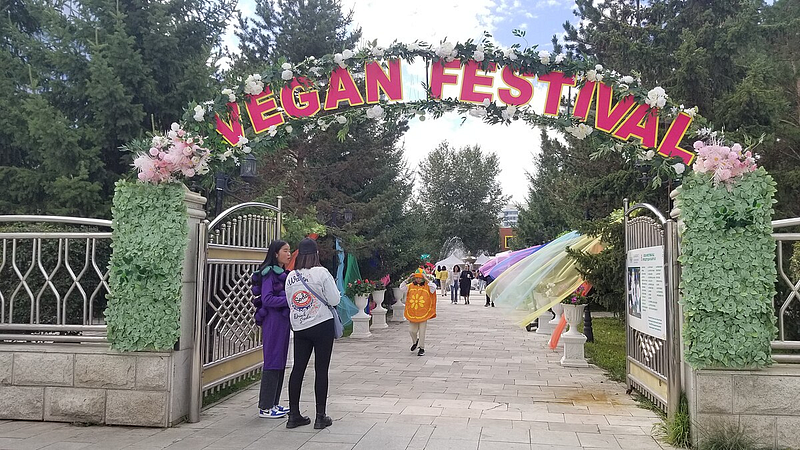
Vegan Festival Mongolia by Orgio89 Wikimedia Commons Image License

#5 Veganism is more than a diet, but don’t become overwhelmed!

The 1910 vegan cookbook No Animal Food indicates that ethical veganism involves avoiding animal products in other aspects of life such as clothing, but advises the reader to not become overly consumed with avoiding every animal product. Enjoying your life as a vegan can be an important part of encouraging others to reduce their consumption of animal products and considering veganism for themselves.

We must endeavour in practical life to carry out to the best of our ability our philosophical and ethical convictions, for any lapse in such endeavour is what constitutes immorality. We must live consistently with theory so long as our chief purpose in life is advanced by so doing, but we must be inconsistent when by antinomianism¹ we better forward this purpose. To illustrate: All morally-minded people desire to serve as a force working for the happiness of the race. We are convinced that the slaughter of animals for food is needless, and that it entails much physical and mental suffering among men and animals and is therefore immoral. Knowing this we should exert our best efforts to counteract the wrong, firstly, by regulating our own conduct so as not to take either an active or passive part in this needless massacre of sub-human life, and secondly, by making those facts widely known which show the necessity for food reform.

Now to go to the ultimate extreme as regards our own conduct we should make no use of such things as leather, bone, catgut, etc. We should not even so much as attend a concert where the players use catgut strings, for however far distantly related cause and effect may be, the fact remains that the more the demand, no matter how small, the more the supply. […] He who would practise such absurd sansculottism² as this would have to resort to the severest seclusion, and plainly enough we cannot approve of such fanaticism. By turning antinomian when necessary and staying amongst our fellows, making known our views according to our ability and opportunity, we shall be doing more towards establishing the proper relation between man and sub-man than by turning cenobite³ and refusing all intercourse and association with our fellows. Let us do small wrong that we may accomplish great good. Let us practise our creed so far as to abstain from the eating of animal food, and from the use of furs, feathers, seal and fox skins, and similar ornaments, to obtain which necessitates the violation of our fundamental principles.

The first vegan cookbooks show that vegans of the past valued the rights of animals and the power of plants as food. Their advice, some of it remarkably relevant a century later, helped others to make steps towards a more ethical future.

Notes:

  1. antinomianism: theological term of Greek origin that colloquially means the rejection of socially established morality.
  2. sansculottism: radical extremism (usually in reference to politics.)
  3. cenobite: a member of a religious group living in a monastic community.

Thank you for reading!

For more vegan, vegetarian, and botanical histories, follow Plant Based Past on Medium.

You can sign up for email alerts to receive the next story when it becomes available, just by clicking the envelope icon.

Next Week: Taraxo, Postum, and Breakfast Powders: A Vegetarian History of Tea and Coffee Alternatives

Vegan
History
Food History
Cookbooks
Advice
Recommended from ReadMedium