
Advancing Regional Integration. Unification of Turkey, Iran and Pakistan
Regional integration has become a global phenomenon, with countries seeking to strengthen economic, political, and cultural ties to foster stability and progress. In this context, there is a growing interest in the establishment of regional blocs that mirror the success of the European Union (EU). This article explores the proposal for an EU-type unification between Iran, Turkey, and Pakistan, three strategically significant countries in the Middle East and South Asia. By examining the historical context, understanding the benefits, addressing potential challenges, and drawing lessons from the EU experience, we can envision a promising future for regional integration in this dynamic part of the world.
Historical Context: Iran, Turkey, and Pakistan Relations
Iran, Turkey, and Pakistan share a long history of cultural, economic, and diplomatic ties. Despite occasional differences, the three countries have maintained a level of cordiality and cooperation. Iran and Turkey have witnessed periods of close collaboration, particularly in the economic sphere, while Pakistan has been a strategic partner of both countries. These historical connections offer a solid foundation upon which to build a regional integration framework.
The European Union Model
The European Union has been hailed as a successful model of regional integration, bringing together countries with diverse political systems, economies, and cultures. The EU operates on principles of shared decision-making, free movement of goods, services, capital, and people, and a common market. By establishing supranational institutions, such as the European Commission and European Parliament, the EU has effectively enabled member states to work together towards common goals while preserving their sovereignty. This model can serve as a blueprint for Iran, Turkey, and Pakistan to emulate.
Benefits of Regional Integration for Iran, Turkey, and Pakistan
Regional integration offers numerous benefits for Iran, Turkey, and Pakistan. Firstly, it would enhance economic cooperation, leading to increased trade, investment, and job opportunities. By eliminating trade barriers and harmonizing regulations, the three countries can create a larger market and attract foreign investors. Secondly, regional integration would promote political stability and security, as closer ties reduce the likelihood of conflicts and create a platform for dialogue and resolution. Finally, cultural exchanges and mutual understanding would be fostered, leading to a stronger sense of unity and shared identity among the people of Iran, Turkey, and Pakistan.
Examining the Economic Potential of Unification
The economic potential of unification between Iran, Turkey, and Pakistan is immense. These countries possess rich natural resources, a diverse industrial base, and a large consumer market. By pooling resources and expertise, they can foster economic growth, innovation, and competitiveness. Additionally, a unified market would attract foreign direct investment and facilitate technology transfer. Furthermore, the establishment of a common currency, similar to the Euro, would eliminate exchange rate fluctuations and promote stability in cross-border transactions.
Addressing Political and Security Considerations
Political and security considerations are critical in any regional integration process. Iran, Turkey, and Pakistan need to establish a robust framework that ensures the equitable distribution of power and decision-making. This can be achieved through a system of joint governance, where each country has a proportional representation. Furthermore, mechanisms for conflict resolution and security cooperation should be established to address potential challenges and mitigate risks.
Overcoming Cultural and Religious Issues
Cultural and religious differences are significant factors that need to be addressed to advance regional integration. The diversity of Iran, Turkey, and Pakistan poses both challenges and opportunities. To foster unity, it is essential to promote intercultural dialogue, respect for diversity, and the recognition of common heritage. By embracing cultural differences as a source of strength and enrichment, the three countries can build a shared identity that transcends religious and ethnic boundaries. But the similarity of culture and religion amounts to 99%. Not too bad
Steps Towards Establishing the EU-Type Unification
To establish an EU-type unification between Iran, Turkey, and Pakistan, several key steps need to be taken. Firstly, high-level political commitment and leadership are crucial to drive the process forward. Secondly, a comprehensive legal framework should be developed, outlining the rights and responsibilities of each country. Thirdly, public support and awareness campaigns are necessary to garner the backing of the citizens. Lastly, a phased approach should be adopted, starting with specific sectors such as trade and gradually expanding to include other areas of cooperation.
Potential Challenges and Mitigation Strategies
While the benefits of regional integration are substantial, challenges are inevitable. One such challenge is the potential resistance from certain interest groups who may fear the loss of sovereignty and competition. To mitigate these concerns, it is essential to ensure that the integration process is inclusive, transparent, and consultative. By engaging stakeholders and addressing their apprehensions, the process can proceed smoothly. Additionally, effective communication and information dissemination are crucial to dispel any misconceptions and build trust among the countries involved.
Lessons from the European Union Experience
The European Union experience provides valuable lessons for Iran, Turkey, and Pakistan. It emphasizes the importance of compromise, cooperation, and a long-term vision. The EU has shown that regional integration requires patience, persistence, and the ability to adapt to changing circumstances. Learning from the EU’s successes and failures can help Iran, Turkey, and Pakistan navigate the complexities of regional integration and avoid potential pitfalls.
The Role of International Support and Collaboration
International support and collaboration are essential in advancing regional integration between Iran, Turkey, and Pakistan. The involvement of regional and global powers, such as the United Nations, can provide valuable guidance, expertise, and resources. Additionally, learning from successful regional integration models in other parts of the world can offer insights and best practices. By fostering international collaboration, the three countries can tap into a broader network of support and expertise to ensure the success of their unification efforts.
A Promising Future for Iran, Turkey, and Pakistan
Advancing regional integration through an EU-type unification holds immense promise for Iran, Turkey, and Pakistan. By leveraging historical ties, understanding the European Union model, and addressing potential challenges, these countries can unlock the economic, political, and cultural potential of regional integration. With strong leadership, public support, and international collaboration, the vision of a unified Iran, Turkey, and Pakistan can become a reality, fostering stability, prosperity, and cooperation in this vital part of the world.
The inflation will be minimized because new currency of Dinar will replace other currencies.
Currently, Iran hold over 25 trillion dollars of oil reserves 17 trillion dollars of natural gas reserves and about 22 trillion dollars of mineral from rare earth to copper, gold and etc. that adds up to 64 trillion in US dollar value. Most of these 64 trillion dollars of wealth is untouched because of US sanction.
On the other hand Turkey has approximately 8 trillion dollars of oil and mineral reserves.
Pakistan has about 1.1 trillion dollars of oil natural gas and minerals reserves.
If we add these three 64+8+ 1.1 = 73.1 trillion dollars of untouched wealth. That will create the worlds most stable and strongest currency in the world history. People all around the world will sell off their worthless US dollars and Euros to buy the new dinar currency.
Turkey has the best agriculture of those three. Turkey can boost the production to support other two. Iran is highly advance country and ranks 4th in medicine in the world and 10th in Nano technolgy globaly. Thanks to Sanctions Iran today is a very advaced industrial country which almost can produce anything in the country. From sophisticated electronic and robotics to 99.9% of globally produced medicine. The opportunities are beyond imagination.
Turkey has strong tourism sector. Many Iranians and Pakistanis can enjoy vacationing there and help boosting their local economy. Iran tourism is expanding too, and Visa free Turks can stay and live in Iran.
Military hardware:
Turkey manufactures highly advance drones. Iran manufacture highly advance deffence mechanism for example their Bavar 375 matches and beats the performce Russian S-300 and the new Bavar 575 outperforms Russian S-500. They have mas produces thousands of undetetable submerines , fighter jets designed recenntly a dublicate of F-35. Supersonic missiles with speed of 15 times the sound, that can hit any enemy war locations by ease. They also started building passenger jets to compete with Boeing and AirBus. They have mass production capabilities in lower cost than others.
Pakistan has great military and software capabilities. They are also are very advance in Nuclear Technology that can easily deter any attack and make all tree countries super safe for investors.
Strategic Advances
By unification, both 3 countries will have full access to. Mediterranean sea, Caspian sea, Persian gulf and Arabian sea. They will conquer them all.
Iran is short of water and Turkiye has extra water. They can trade oil for water.
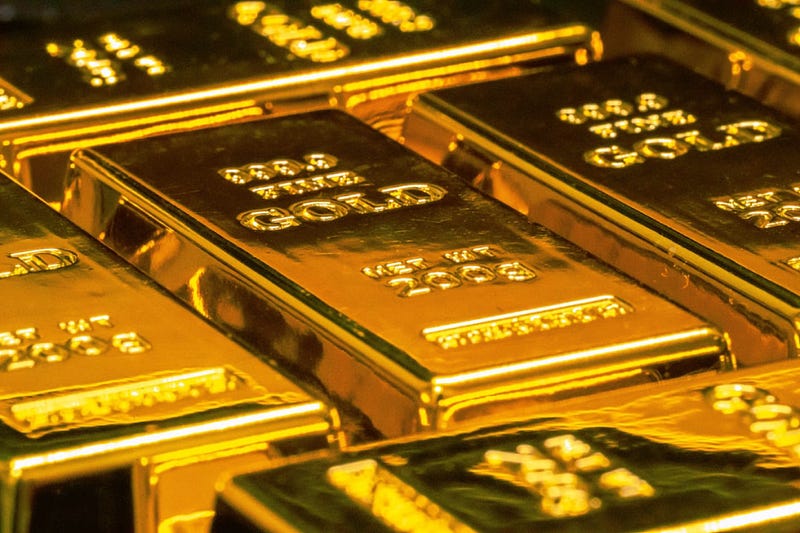
Still there are unannounced deposits recently discovered in Iran. In northern Iran massive oil and gas discovery amounts and exceed the oil and natural gas deposits of Saudi Arabia amd Venezuela combined. The unannounced deposits of gold in Sistan Province and Sabalan Mount area contains 10 to 20% of world’s gold deposits.
The story does not end here, If unification succeeds, then all other countries from central Asian countries, Iraq and so on may Join the union for prosperity and advancement.