
Some Adopted Kids Still Feel Worthless
My nagging feeling persisted after many years
The Adoption
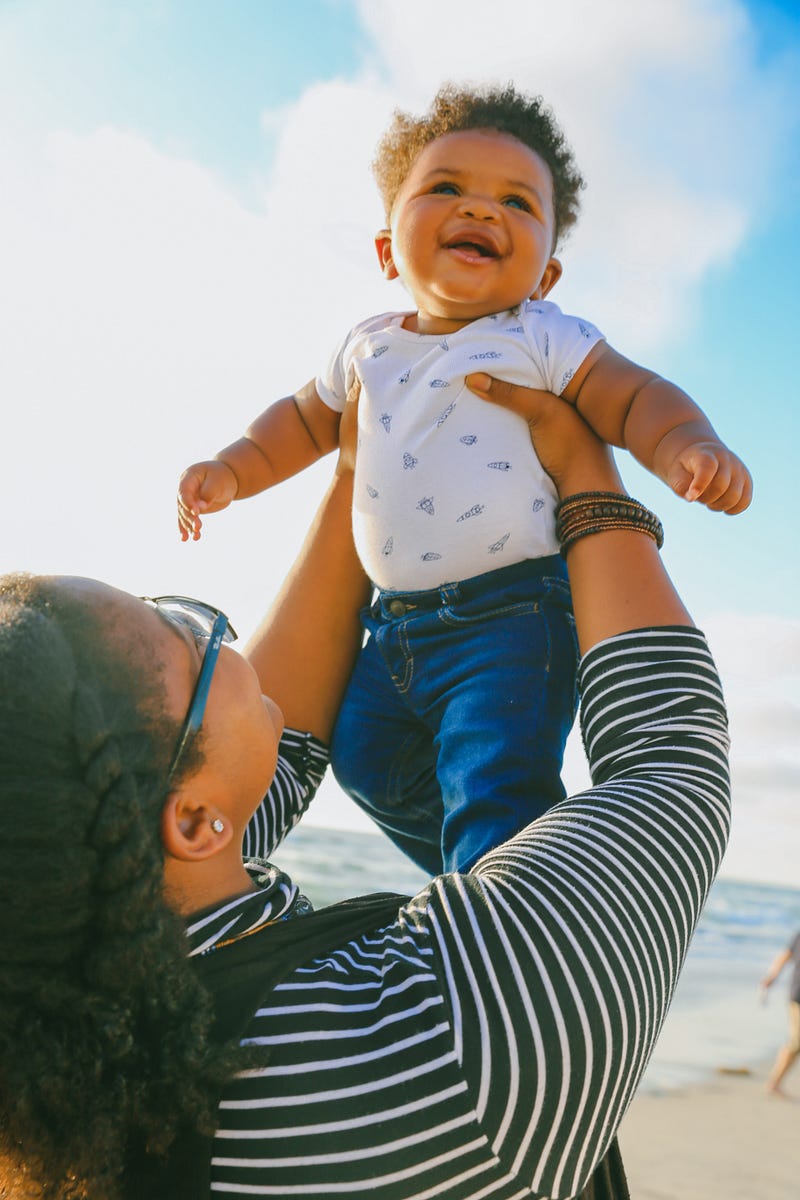
I was adopted at six months. My parents always tried to make me feel “wanted.” I remember the cards they sent as adoption announcements, saying I was “selected, not expected,” and how happy they were to add me to their family. As I grew, I, too, began to tell people that I was “selected, not expected.”
When people asked about my adoption, I would smile widely and exclaim how badly my family “wanted” me and how lucky they felt when the adoption finally went through. Still, there was that nagging feeling…
In elementary school, my mom enrolled me in every activity imaginable, and I blossomed. From gymnastics to piano, violin, tap, ballet, ice-skating, and baton-twirling, I participated with zeal. I enjoyed staying busy and was grateful for their generosity.
Furthermore, they never made me feel like an outsider. They felt like my “real” family, sometimes treating me with more care than my older brother, a biological child. Most of my friends couldn’t believe that I was adopted because I seemed so well-adjusted. People told me I looked and acted just like my parents were blood relations. Still, I had that nagging feeling…I ignored it as best I could.
Coping

To cope, I imagined that I was like Mork (Robin Williams) on that old show, Mork and Mindy. I pretended that I had arrived in this world out of the sky, in a floating egg that lightly touched down, opening to reveal my new life on planet Earth. I saw myself as a kind of extra-terrestrial who had the good fortune of being “taken in” by a human family.
That story seemed to temper my curiosity about my adoptive past. Still, that nagging feeling lingered, whispering:
1. You are different; your history makes that so.
2. Where did you come from?
3. Who did you leave behind?
4. Who gave you up?
5. Why didn’t they want you?
As I grew into an adolescent and my parents divorced, I began to feel the stress of family life. I realized that families don’t always stay together. Frankly, I was relieved when my parents split up because it meant their constant fighting would stop. My father got custody of me but slowly succumbed to alcoholism, which left me feeling abandoned, even when he was present.
I struggled with anxiety and depression, and I developed even deeper abandonment issues. My mom was physically and mentally absent. She moved out of the state. She and I didn’t get along well, and I felt abandoned by her, as well. Then, there was that ever-present, nagging feeling about having also been abandoned by my biological family.
Numbing

It seemed abandonment was the theme of my life! I had a hard time getting through high school and college, and I began to party and drink socially to calm my insecurities. As before, I kept that nagging feeling deep within, numbing it so that the theme of abandonment became nothing but a blur for several years. Nevertheless, it never left.
Kids of My Own
In my late 20s, I got married and had two beautiful children. This was a glorious time. Seeing another human who looked just like me was shocking and amazing. Most people take that for granted because they have always had a biological family. But for adoptees, this experience is novel and priceless.
It was then that my curiosity regarding my biological family began to grow. This was not because I felt like I didn’t have a family but because I did. Sadly, I felt at a total loss when the doctor asked me about my family’s health history for the benefit of my two children. I had no answers. My health history was a mystery, and I needed to demystify it by seeking the identity of my biological mother.
Making Contact
She wasn’t hard to find. She still lived in the same city as me. I completed some brief library research. After obtaining my social adoptive history from the state, I easily found my biological mother and simply gave her a call. I was 31 years old by now, and when she answered, I quickly proffered that I didn’t want a new family; I simply wanted my health history for the children’s sake. She agreed, and we met for lunch.
I’ll never forget glancing down at her hands as she talked and realizing that those were my hands. I grabbed hers in mine, exclaiming that I had never seen another adult’s hands that looked just like mine! I was incredulous. It made me smile. Tears came to her eyes, too.
She shared her health history and gave me a necklace to commemorate our meeting. I thought that would be enough, and yet, I left with that nagging feeling:
1. Why didn’t she want me? (I was the youngest of four girls and the only one she put up for adoption)
2. What was different about me?
3. Why was I discarded?
Special Days?

As the years went on, Mother’s Day would arrive, and I would wonder whether it was “appropriate” to send her a Mother’s Day card. I reasoned that she was my mother in name and blood only; I already had a mother, so there was no need to celebrate my biological mother on Mother’s Day. Besides, she had other children who probably celebrated it with her. When her birthday would roll around, I always considered buying a birthday card but never did. She wasn’t my mother; she simply gave birth to me; that was my reasoning.
Once my kids became teenagers, I asked them if they wanted to meet their biological grandmother and their aunt (my sister). I thought it was necessary to give them the choice but not require it. My daughter opted to meet them, and my son opted to stay home. That was fine with me.
The meeting was surreal, with everyone laughing and smiling. It felt a bit forced to me because I had not spoken with my biological mother for many years. Yet, all seemed delighted to meet my daughter and saddened that my son chose not to join us. Of course, I had to respect my son’s wishes. My biological mother agreed but expressed regret that she may never get to meet him in her lifetime. He never did, and he seems to have no regret. Nor do I.
The End of an Era
That day, on our way home from having met her, my daughter expressed gratitude for the opportunity. That was the last time I saw my biological mother and sister. My sister died of lupus soon after that meeting, and my mother died five years later from complications of lung cancer.
Finding out about her death was a strange experience. One holiday, I contemplated calling my biological mother. I had a feeling that I should, but I couldn’t pinpoint why. Then, it occurred to me that she may no longer be living. So, I Googled her.
Sure enough, I found the obituary. It was short– no more than a blurb in the newspaper. Just like that, her life was over. And even after her death, I still had that nagging feeling:
1. How could she give me up?
2. Didn’t she want me?
3. Why wasn’t I good enough?
4. Were my sisters more worthy?
5. Was she glad to have met me?
Today, I look back at her life, and I’m grateful I had the chance to meet her. It meant I got some questions answered, which is more than I can say for some adoptees. Meeting her meant that I got to see pictures of my father, sisters, aunts, uncles, and cousins, which gave me enough of a history to lean on, even though I never met those people. It made me feel more real. I do not regret meeting her.
Regret
There is one thing I do regret, though. She advised me early on that I should not meet my birth father because she said, “He was not a good person.” I trusted her and did not pursue his acquaintance. Later, I learned through his sisters that he knew about me, and he had always wanted to meet me before he died but felt it was inappropriate to reach out.
Strangely, receiving that information was a blessing as well, because I always wondered whether his being a bad person made me a bad person. Now, I knew that the story about him was untrue.
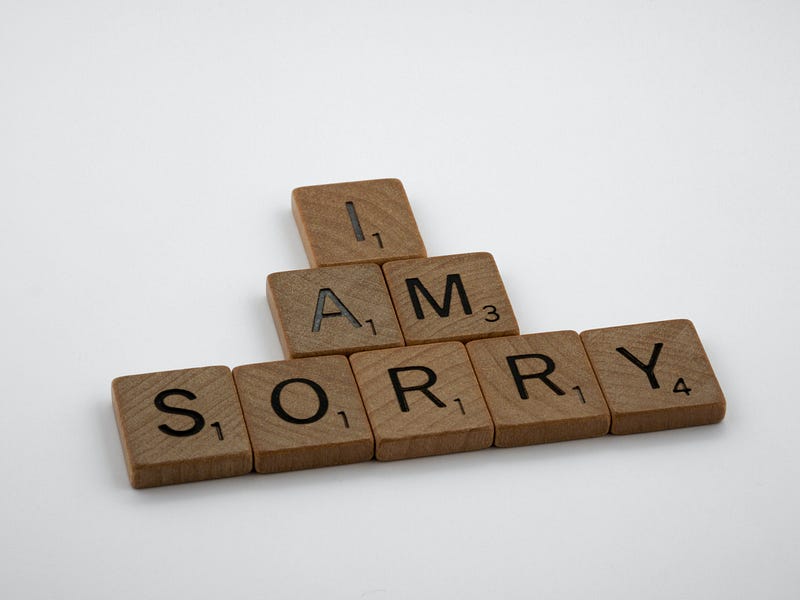
His side of the family now embraces me as their own, and that reconciliation has been very healing, albeit a bit too late. I regret giving up my opportunity to meet my biological father before his death. I wish I could tell him I’m sorry.
Now
Today, as an adoptee in my mid-fifties, I still get that nagging feeling. Sometimes, I project it onto my current relationships.
1. Am I worthy?
2. Am I good enough?
3. Am I smart enough?
4. Will people stick around for the long haul?
5. Who will abandon me next?
6. Can I weather confrontation?
7. Am I worthy of being loved?
8. Do I belong?
Adoptees face a unique set of challenges. Maybe I will always have that nagging feeling. Nevertheless, I forge ahead, acknowledging my basic goodness and value as a constant personal affirmation. I choose friends who do the same. It’s no wonder that “words of affirmation” is my primary love language. I need to hear that I am worthy.
My parents have always done their best to verbally fulfill my need to be affirmed. I appreciate that. Maybe one day, I’ll be able to say, “I’ve lost that nagging feeling.” I am waiting patiently for that glorious day, but if it never comes, I will share my story with as many other adoptees as possible. Perhaps I can remind them that they, too, were “selected, not expected.”
Hey there! MyHey there! My name is Stacey Patterson, J.D. I hope you enjoyed my story. If you did, why not give me some claps, a response, and a follow? I’d love it if you’d subscribe to receive an email when I post. That way you won’t miss any of my mayhem in the future. Enjoy more of my stories HERE. Thanks for reading!