
Adding Lightness
Because life can be heavy. Strategies included.
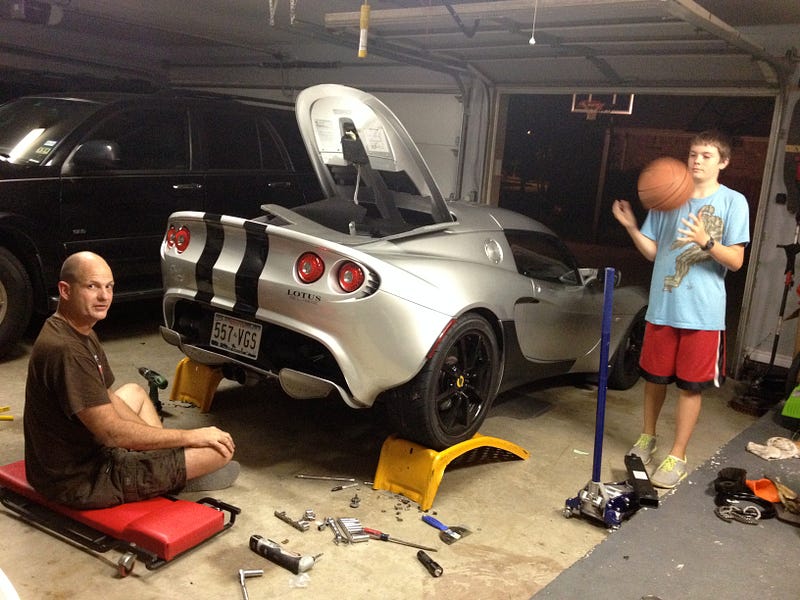
My husband loves speed, any kind — boats, planes, bikes — and especially fast cars. I can see it in his face, the lift, the freedom, the relief he gets from going really, really fast. Recently after a particularly successful driving event, he lectured me on the benefits of “adding lightness” to a car.
“That doesn’t even make sense,” I sniffed. “You can’t add lightness.” He took a deep breath to try and help me understand.
“Oh yes you can,” he proclaimed, finger wagging. “Remove anything and everything unnecessary to the speed of the car and you add lightness. No air conditioning, no radio, ditch the extra seats. The car has less weight to haul around the track, so naturally it’s faster. And you win.”
Not long after that I received a similar lecture from a dear friend, frequent teacher and fantasy body double during one of her famed power yoga classes. We were attempting a gut-busting, gravity-defying pose when she cooed in professional voice-over artist tones . . .
“Free yourself of the things you don’t need.”
(I wondered if Jeff had paid her to say it, and felt his presence nodding in ‘I told you so’ agreement.)
Resisting the urge to sit down and debate their logic, I hushed the excuses and blindly obeyed. My quivering right leg magically lifted a precious inch or two and the pose was complete. (Out of the corner of my eye I know I saw Deanna smile).
“See, miracles happen every day when we release stifling expectations and unnecessary burdens. Let go and just BE.” She says reassuring things like this all the time and would make a terrific life coach.
My point here: Regular life can be very heavy. The favorite neighbor with cancer, the grandmother suffering as she passes, entire neighborhoods destroyed by storm and fire — when you’re carrying burdens like these, just a trip to the grocery store can feel like a prison sentence.
Let’s add some lightness. I’m ready.
How do we do that? How can we respectfully and responsibly attend to our concerns, help the people we love, and still have some breathing space to enjoy life, be free and happy? How do we let go of what we can’t control and what doesn’t really, truly matter — and pick up some speed?
Here are ideas that have helped me, each inspired or directly lifted from favorite sources, particularly The Four Agreements, one of my best friends, my Dad and The Bible. I hope they help you too.
Protect What’s Yours
If we’re going to help others have better lives, we must take time to restore and guard our own mental and emotional energy. This isn’t selfishness; we’re maintaining a precious resource — the ability to fully and healthfully connect with the people who matter most.
That means it really is okay and even sometimes vital to sit all by yourself with a cherry/extra-lime coke, take a deep breath and listen to the radio at Sonic with the windows rolled down, thinking about nothing in particular, for the twenty minutes between work and picking up your child from school. Ahh.
Release What’s Not
Empathy and compassion are wonderful things, but we can take them too far.
As we all do, I love helping people out of difficulties, but can’t relieve anyone by becoming mired down, wallowing in their sorrow and misery. My feeling bad doesn’t solve their problems.
My feeling good, on the other hand, and helping them think through other options in a positive way might actually help lighten their load.
Admit Your Humanity
A while back my Dad told me his favorite Bible verse is Psalms 46:10, “Be still and know that I am God.” Sometimes when I can’t relax, I meditate on it.
There are two parts to the sentence. First, “Be still. . .” To me that means, calm your worried mind and frenzied body. Rid yourself of distractions. Don’t move a muscle. Rest. Breathe.
Second, “ . . . know that I am God.” If you believe in a higher power, then this wisdom suggests we’re not in control of or responsible for every single thing. You and I don’t get to be in charge of who does and doesn’t get sick or hurt, who loses a loved one and when.
This verse helps me remember, “All I can do is my best with what I have today. The rest isn’t up to me.”
To see more articles from me, sign up here to receive an email each time I post.
Curious about coaching? Ready for some outside help? Learn more at www.pennyrackley.com.
Available for freelance writing at [email protected].