
Add These 5 Nutrients to Your Diet Today (And Every Day) to Avoid Alzheimer’s
Deficiency of these micronutrients is highly linked to Alzheimer’s: Scientists Warn

Alzheimer’s disease is the most common type of dementia.
It is a progressive disease of the brain, beginning with mild memory loss. It may involve different parts of the brain that control thought, memory, and language.
Therefore, we may notice some of the following behaviors in patients with Alzheimer’s Disease:
They …
- Repeat statements and questions over and over.
- Need to remember conversations, appointments, or events.
- Misplace items, often putting them in places that are very difficult to find.
- Frequently, get lost in places they used to know well.
- Need to remember the names of family members and everyday objects.
- Need help finding the right words for things, expressing thoughts, or participating in conversations.
Why am I telling all these today?
Because November is National Alzheimer’s Awareness Month.
It is a time to increase awareness around the disease and the more than 6 million Americans living with it.
It is a calling time to be more aware and understand the needs of patients and their caregivers, a good time to know what the early symptoms may look like, and a perfect time to understand what we can do to avoid the disease and how can we tap into the power of new scientific studies about the disease.
What are the numbers globally?
Worldwide, at least 55 million people are living with Alzheimer’s disease or other dementias, and the number is on the rise at an alarming rate. The current trend suggests that this number will double every 20 years until at least 2040.
Is there a cure?
Currently, there is no defined “cure” for this disease, so the best we can do is to understand how to avoid it.
The good news is that eating the right foods can help prevent or slow down the progression of Alzheimer’s.
The brain changes of Alzheimer’s can begin as early as 10 years before any actual symptoms start to show up. Therefore, prevention is the best line of defense against this disease.
What did the study say?
According to a recent study published in the Journal of Alzheimer’s Disease, scientists found a strikingly low level of some crucial nutrients, just half of that from healthy brains!!
Deficiency of these 5 crucial groups of food can impact the brain adversely and increase the odds of getting AD.
Let’s look into all these nutrients and their sources!
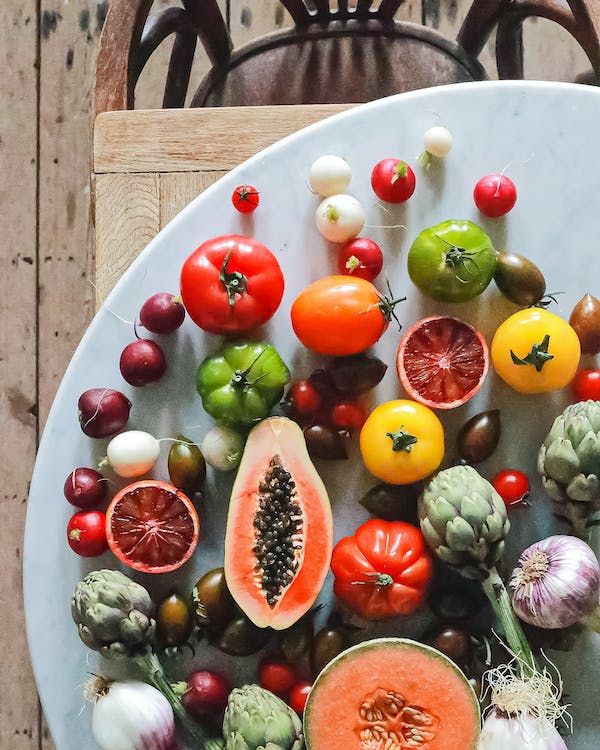
Lutein: The Eye Vitamin
- It also protects the eyes from sun damage and Macular Degeneration.
- Think of all dark green, yellow, and orange foods to find this nutrient: Kale, Spinach, Broccoli, Bell Pepper, Lettuce, Parsley, Pistachios, Pumpkin, Sweet corn, Brussels sprouts, Sweet Peas, etc.
- Make sure to increase their absorption into the body by consuming them with olive oil or Cow’s Ghee.
Lycopene:
- Think of all the things you can eat which are ruby red and pink!!
- Tomatoes, watermelon, grapefruit, apricots, grapes, peaches, cranberries, guava, red cabbage, and red pepper are all abundant with this wonderful nutrient.
Zeaxanthin:
- Load up on egg yolk, orange bell pepper, oranges, squash, kiwis, grapes, zucchini, carrots, and goji berries to amp up their amount in the body.
Retinol, aka vitamin A:
- Think of all the colorful yellow and orange fruits- mango, papaya, nectarine, orange, guava, passionfruit, apricots, cantaloupe, etc. You now have more reasons to eat them often!
- Veggies like red bell pepper, carrots, turnips, lettuce, spinach, swiss chard, and sweet potatoes are rich sources of Retinol.
- Milk and dairy products, cheese, yogurt, etc., all contain Vitamin A.
- Animal-sourced foods like liver and oily fish are excellent sources of retinol.
Alpha-tocopherol, aka vitamin E:
A potent anti-oxidant and another vital superfood.
- It is found in nuts like almonds, walnuts, pistachios, cashews, peanuts, hazelnuts, brazil nuts, pine nuts, and pecans.
- Seeds like sunflower and pumpkin seeds are also excellent sources of alpha-tocopherol.
- Vegetable oils, sunflower oil, and wheat germ oil also provide this nutrient.
- Fruits like avocados and mangoes contain a good amount of alpha-tocopherol.
All of these essential anti-oxidants have the potential to prevent or delay the cell damage of Alzheimer’s. It can significantly lower the risk of developing the disease in the first place!!
These studies, combined with studies regarding the MIND diet (Mediterranean-DASH Intervention for Neurodegenerative Delay), emphasize the significant role diet plays in a healthy brain and healthy aging. A diet rich in fruits, vegetables, legumes, nuts, fish, dairy, and a small amount of meat and sweets lowers the risk of developing Alzheimer’s disease and keeps the brain in top condition.
Make these healthy changes a part of your regular diet (I am adding this to my New Year’s resolutions) and incorporate them into your routine today for a healthier brain and a healthier you tomorrow!