Adapt or Die
Strategic Leadership and Creativity

Rational preplanned strategies do not always work out as planned and must be adaptable. Dealing with rapid, complex, and often discontinuous change requires flexible leadership. This means understanding the nature and implications of external change, the ability to develop effective strategies that account for change, and the will as well as the ability to actively manage the momentum of the organization.
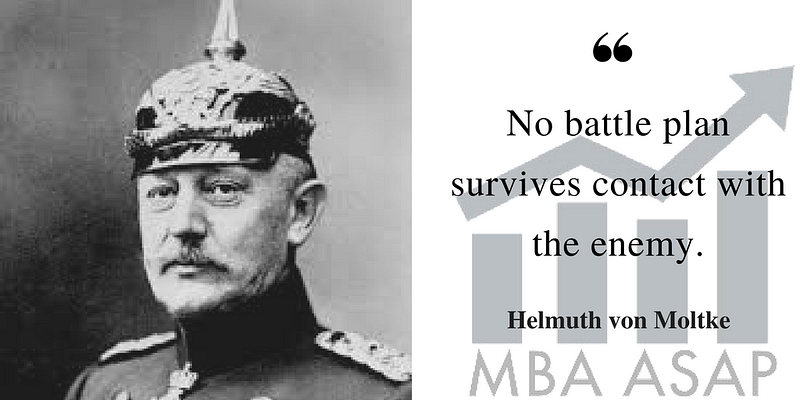
Strategy isn’t static and changes in course will emerge; one must be aware and willing to adapt and pivot.
“It is not the strongest of the species that survive, nor the most intelligent, but the one most responsive to change.”
Charles Darwin
As leaders we are not simply being responsive to changes, we are charged with creating the future. The best way to predict the future is to create it. Create new visions for success and be prepared to make significant improvements along the way.
Our understanding of the future is hazy at best and impacts our clear idea of direction and purpose. To make an idea reality often means ‘groping’ your way to your goal.
Groping is a process of trying things and monitoring feedback as to their success. If something works, keep doing it and perhaps allocate more resources in that direction. If something doesn’t work, tweak and adjust the process and see if anything positive results; if not, abandon that path.
Testing two variations at once and comparing results is called A/B testing. A/B testing has become popular as online methods to employ it and measure it have become available. Google has been an innovator in developing and providing A/B testing methodologies. Groping is a forward leaning methodology that leaders should apply.
Leadership takes constant active vigilance. If the strategy is not actively managed, it will not happen. In his great book Leadership is an Art Max DePree says,
“The only legitimate work in an organization is work that contributes to the accomplishment of the strategic plan. It takes the orchestration of management as well as leadership to perpetuate these capabilities into the future.”
When it comes to the relationship between strategy and leadership let’s make a distinction between planning and plans. Plans are static documents that are by definition out of date and lack relevance. Planning is the process of analyzing future scenarios and contingencies and coming up with effective ways to exploit or avoid them. Winston Churchill put it succinctly:
“Plans are useless, but planning is invaluable.”
Here is a list of qualities that David Ogilvy looked for in creative leaders:
· High standards of personal ethics
· Big people, without pettiness
· Guts under pressure, resilience in defeat
· Brilliant brains — not safe plodders
· A capacity for hard work and midnight oil
· Charisma — charm and persuasiveness
· A streak of unorthodoxy — creative innovators
· The courage to make tough decisions
· Inspiring enthusiasts — with trust and gusto
· A sense of humor
This is a great list of traits to aspire to, and to look for in others.
Skip Business School. Educate Yourself.