
Activists Who Murder: Youth Violence in Mao’s China
This is what happens when an ideology replaces your morality
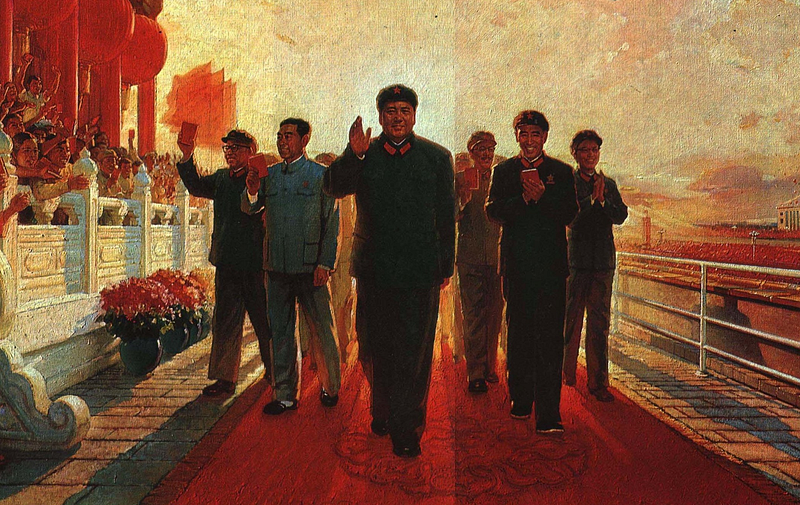
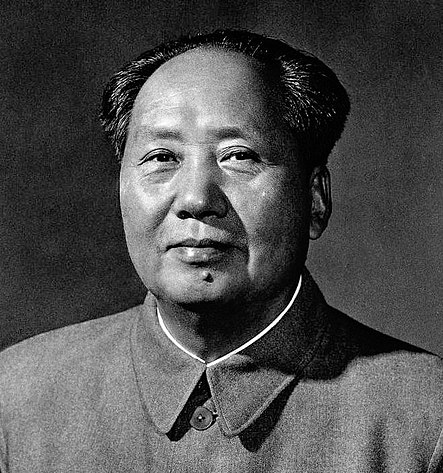
Young people are more likely to be seduced by political radicalism. This trend has been consistent throughout history, and China’s communist revolution was no exception. Mao Zedong, also known as Chairman Mao, was at the forefront of the revolution. Mao wanted to remove the old order and turn his country into a communist state.
But Mao knew he couldn’t do this on his own. So, determined to see his political vision become a reality, he harnessed the youth of China and let them do the dirty work.
The Red Guards
Despite the horrors of the Great Chinese Famine (1959–1961), Mao was keen to push forward with his far-left agenda. Indeed, he wanted to transform China on a cultural level by destroying the past and cleansing society of anything connected with capitalism.
To begin with, the sons and daughters of prominent politicians persuaded their friends to become activists. The movement then spread to various schools and universities across the country with the help of Mao’s propaganda.
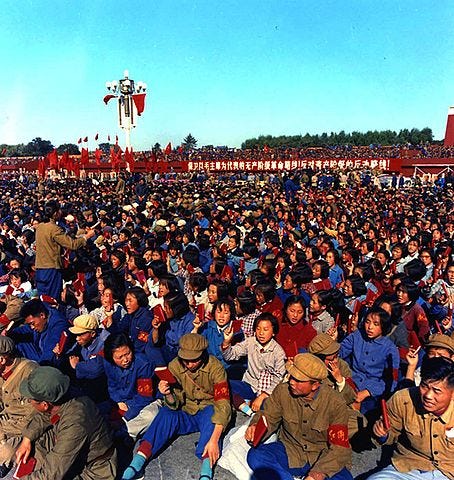
Young people started to wear paramilitary uniforms with red armbands, and they called themselves the Red Guards. They also bought copies of The Little Red Book, which was full of well-known speeches and quotations from Mao.
On the 18th of August 1966, Mao staged a rally in Beijing’s Tiananmen Square. Hundreds of thousands of young people attended the rally, chanting their revolutionary slogans and displaying their red armbands.
This huge event was a watershed moment. The violence was about to begin.
The Power of Youth
Mao’s young activists caused devastation wherever they went, and their top priority was to destroy China’s cultural past. They raided libraries, burned books, vandalized museums, tore down statues, and ruined theatres and opera houses.
The Red Guards also targeted people. Anyone accused of being a capitalist — such as landlords and rich peasants — was attacked, humiliated, and sometimes even killed by the Red Guards.
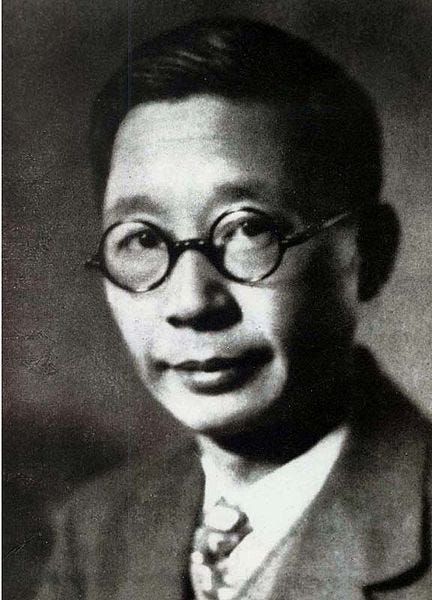
Teachers and writers were seen as threats to the revolution as well. The Red Guards beat them up and shamed them in public. The novelist Lao She, for instance, was taken to a public building and humiliated in front of a jeering crowd. The Red Guards shaved his head and beat him savagely. Lao was so traumatized by the attack that he committed suicide the next day.
As time went on, the Red Guards expanded their targets. They turned on classmates, neighbors, store owners, and entrepreneurs. Again, humiliation and violence were fundamental to their revolutionary tactics. They also encouraged children to snitch on their parents and teachers if they spoke out against the revolution.
Finally, the Red Guards were keen to show their devotion to Mao. They did their utmost to ensure their leader’s face was featured in as many places as possible. Posters of Mao were displayed in homes, trains, buses, and public spaces.
China’s Lost Generation
Though Mao had been the prime instigator, he knew the violence had to stop. In July 1968, he disbanded the Red Guards, and the Cultural Revolution officially ended in April 1969.
But the damage was done. Millions had lost their homes, their possessions, and their jobs. Others had been executed, beaten into submission, or exiled to the countryside.
The younger generation was ruined by the Cultural Revolution. They had spent the last few years inciting violence or fleeing from it. They had no education or work experience, and they became known as China’s Lost Generation. Many were sent to the countryside to work with the peasants.
Ironically, Mao’s Cultural Revolution destroyed the lives of its most adamant supporters.
Sources
Mao Zedong (2003) by Anne Faulkner
The Tyrants (2006) by Clive Foss
Dictators (2000) by Robert Green
Mao Zedong (2010) by Kimberley Heuston
The Chinese Revolution and Mao Zedong in World History (2004) by Ann Malaspina
Monsters: History’s Most Evil Men and Women (2009) by Simon Sebag Montefiore


.jpg)