
Achilles Tendon Rupture — How It Happen?
First Day of My Achilles Tendon Rupture
This is my first post on Medium, and I will be sharing my entire experience as I go through the healing process of my right Achilles tendon rupture after surgery. At 48 years old I still can’t believe that such an injury happened to me, but after doing some research, I realized I’m not alone, and it’s certainly not the end of the world. I’ve accepted it and am committed to working on my recovery so can you.
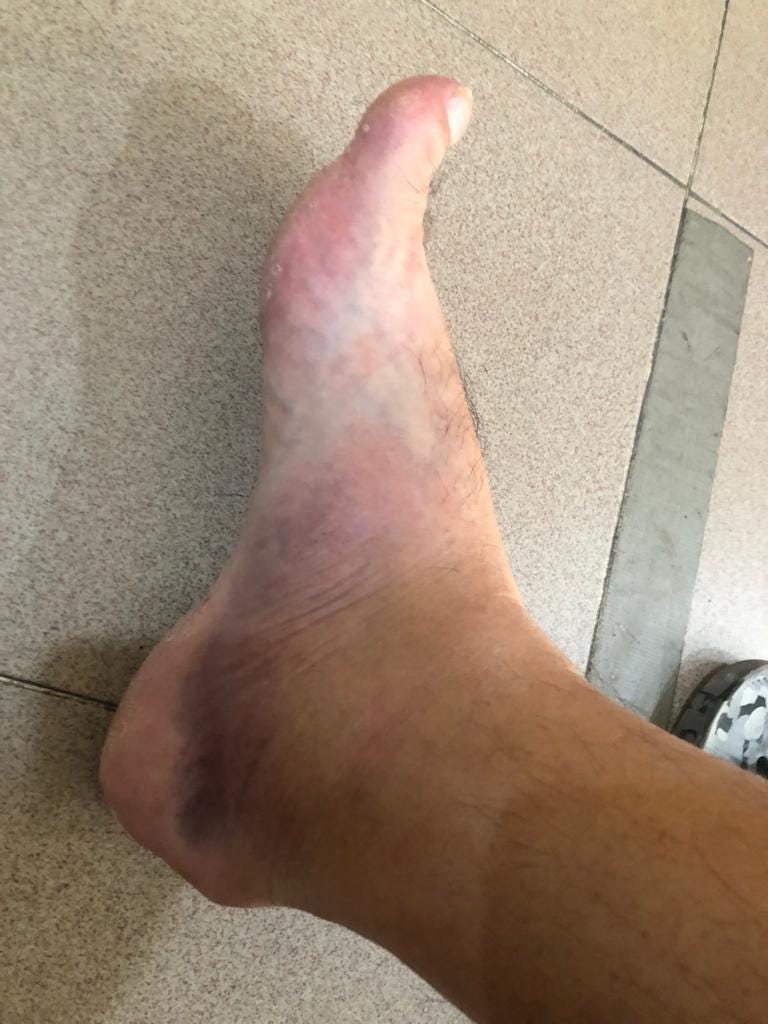
It had been a very long time since COVID, and I hadn’t played football in a while. On August 24, 2023, I joined my colleagues to play street soccer. When I received a pass from my teammate and was preparing to make a simple stop and pass, there was a sudden snap accompanied by a high level of pain at the back of my ankle, causing me to lose my balance. It felt like the soccer court was floating beneath me. I turned my back to see if someone had tackled me from behind, but there was no one there, not even nearby.
I Didn’t Know My Injury Was Serious!
There were medics around when I got injured, checking my ankle to see if it could move up and down, left and right. It looked okay, and they applied ice to reduce the swelling. It was obvious I wouldn’t be able to go to work the next day, so in the evening, I hobbled to a clinic near my house, in pain. When the doctor saw my leg, he told me it didn’t look good. After conducting some physical tests, he suspected a partial tear in my Achilles tendon. I was advised to apply ice as often as possible, rest my injured leg, and use a pillow under it during sleep to reduce swelling. I was given a day of medical leave to rest and the upcoming weekend.
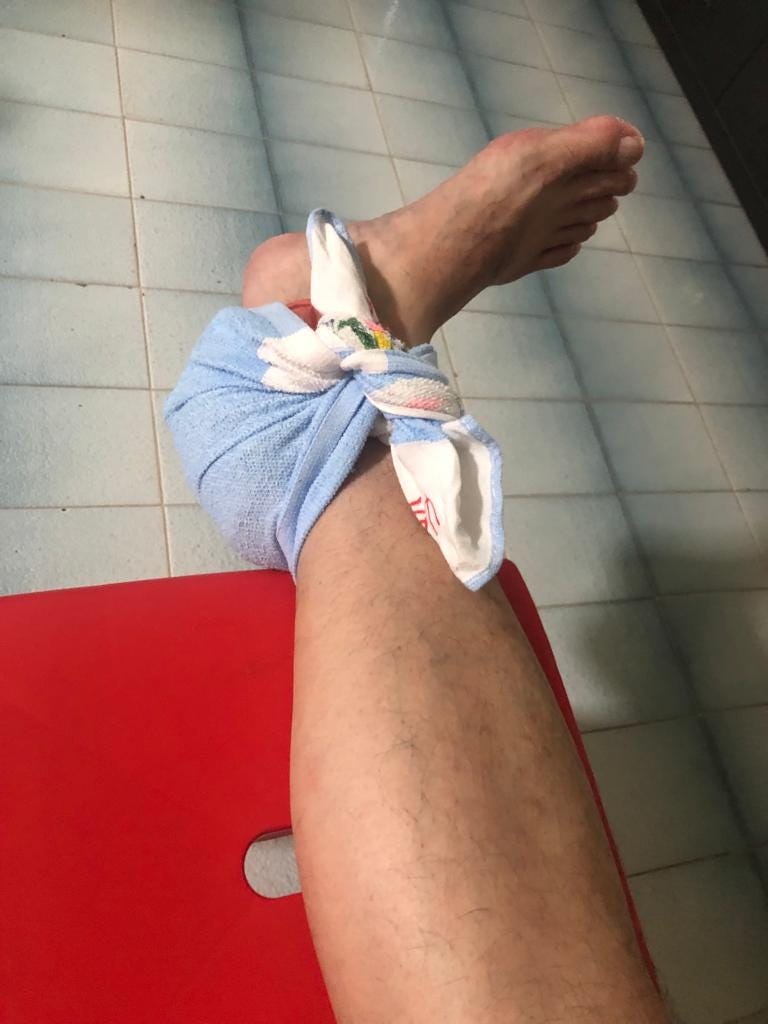
Thinking I could still walk with a slight limp, I went out for meals and continued my routine. That’s when I noticed my leg starting to bruise and swell. On October 27, 2023, I returned to the same clinic for another consultation. The doctor then gave me a referral letter for an X-ray the next day. It was at this point that I realized my right leg was in a serious condition. Without further delay, I asked the doctor to refer me to the hospital for further examination the following day.
A&E Department
On October 28, 2023, I went to the hospital for my check-up. There was quite a wait until I got to see a doctor. At first glance, he could tell that my right Achilles tendon had ruptured. To convince me, he asked me to get onto the bed in a kneeling position. He squeezed my left calf, and my foot responded and moved, but my injured right leg didn’t respond at all. There was also a noticeable gap between my ankle and lower calf.
https://youtube.com/shorts/Y78fv9tItLE?si=-pxVwjpbmjlsKeaW
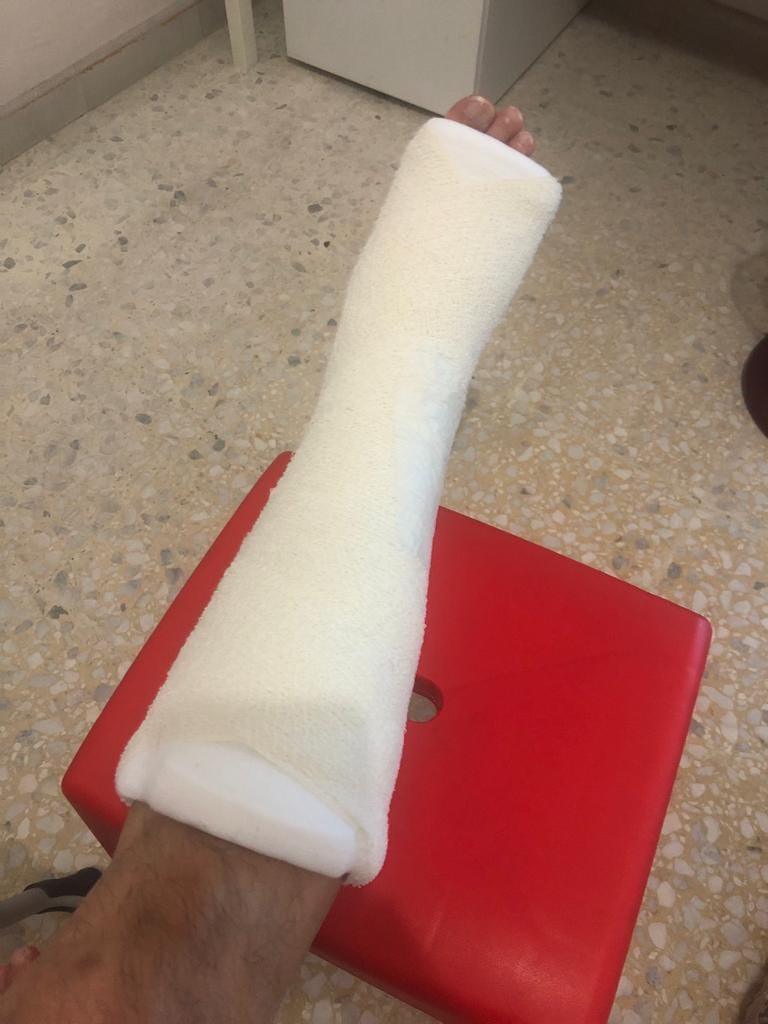
He arranged an appointment with a specialist for further examination and to provide me with detailed information about what I needed to prepare for. He instructed the nurse to apply a splint bandage to my leg, with the foot pointing down to prevent any movement that could further damage the tendon. The nurse also provided crutches and taught me how to use them for getting around the house.
Appointment with Specialist
On October 30th 2023, I had my appointment with the specialist. The doctor and her team removed my splint cast and examined the condition of my leg. She delivered some concerning news, indicating that the situation was not looking good. She advised me to undergo an X-ray examination. After the X-ray, the doctor discovered that part of my ankle bones, which attach to my Achilles tendon, was also damaged. Considering my age, she recommended surgery to repair the Achilles tendon, and I agreed. The nurse replaced the splint cast, giving me no choice in the matter.
Next, I needed to schedule an anesthesia consultation to determine if I was fit for surgery. However, the department’s appointment schedule was full, so I had to return the following day.
On September 1st 2023, I managed to meet with the anesthesia doctor to go through blood pressure and blood tests. The doctor also inquired about my medical history. I informed her that I had latent TB back in 2010, which had been successfully treated. Fortunately, everything appeared to be in good order, and an appointment was scheduled for surgery on September 4th at 9 am. It was to be a day surgery, but the doctor advised me to stay overnight for observation.
Life at Home Before Surgery
Getting around the house with crutches is far from enjoyable. I’ve had to make a lot of adjustments. I can’t even go out to buy my own meals, and while food delivery is an option, it tends to be more expensive. Fortunately, my father is here to lend a hand with buying groceries and setting the table. Having family around to help out is truly a blessing.
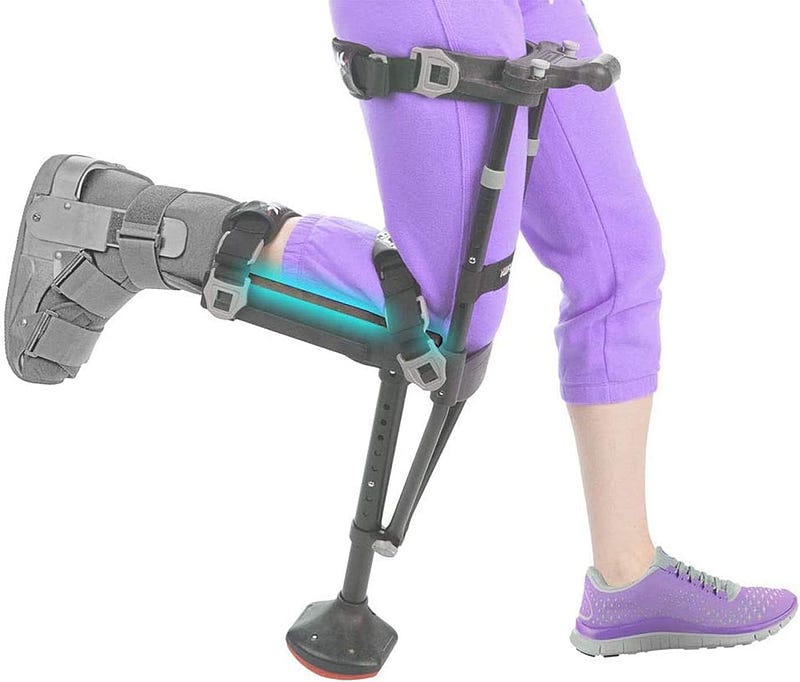
I did some research about what to do if you’re alone in such a situation, and I found some alternatives. To fulfill your daily needs and get meals, you can consider using a knee scooter. It allows you to place your injured leg’s knee on top and push off with your other leg, similar to a skate scooter.

Another option is a knee walker, where you attach your knee and have extended support to the ground. This way, you can walk without using your hands, leaving them free to carry things.
Next, there’s the issue of toilet trips. It used to be the most mundane part of our daily lives, but it’s now turned into a Ninja warrior obstacle course. Whatever the challenge, let’s find a way to overcome it.
Urination Routine: Even if you’re a young guy or a grown man, the best position is to sit on the toilet bowl. It is extremely tiring to stand on one leg and balance. Another option is to place a chair where you can rest your knee and urinate as usual.
Passing Stool: Obviously, it’s most comfortable to be seated comfortably on the toilet bowl, but don’t forget that your injured leg can’t be hanging in mid-air. Prepare a low stool to rest your leg on without any weight pressure.
Next, off to enjoy a refreshing shower, which I look forward to every day. Keep in mind your splint bandage to keep dry at all times! I use a normal transparent trash bag to wrap my right leg with masking tape to secure it around. Ensure there is no gap for water to get through.
Another option is to use a waterproof cast and bandage protector designed specifically for shower purposes. You just need to slot your injured leg into it with no hassle. This can be a convenient solution to keep your cast or bandage dry while enjoying a shower.
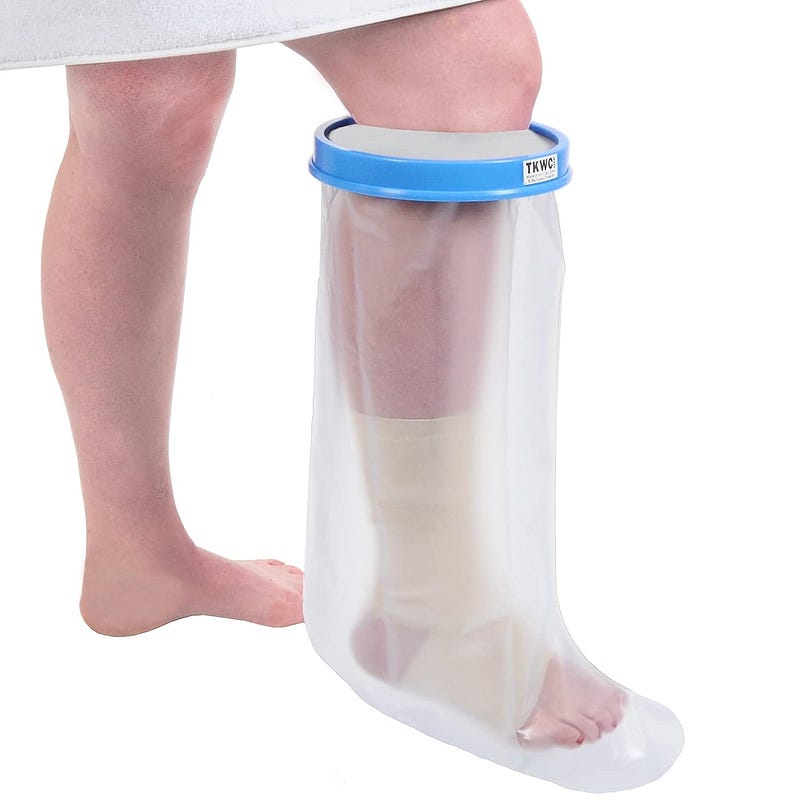
Get a chair to sit comfortably and have a great shower. After the shower, make sure you dry yourself thoroughly and be very careful when you stand up. Ensure you have a clear point of contact for support, as the toilet floor can be slippery. Falling down will make matters worse.
I’ve had two falls, one before surgery and one after surgery. I will touch on that later.
The Day of Surgery
On September 4th, 2023, the moment I had been waiting for and simultaneously the most nerve-wracking part of the day had arrived. I had fasted before midnight the night before, with strict instructions not to smoke or consume alcohol for two days prior to the surgery.
I arrived at the hospital before 9 am, registered at the counter, and was guided to the waiting room. Once again, I went through a Q&A session before changing into the surgery attire.
In the waiting area, I noticed many other anxious patients waiting for their turn to enter the operating theater. I waited for quite some time and realized it was already 1:30 pm. My anxiety began to get the better of me when finally, a nurse called out my name and assisted me in a wheelchair for the surgery.
It was almost 2 pm when I was transferred to wait outside the operating theater. Here came another tough choice presented by the anesthesia team: did I want to undergo a half-body anesthesia that would numb my lower spine and below, or a full-body anesthesia?
They explained the pros and cons of both options, and feeling quite tired, I chose the full-body anesthesia. And so, I was ready for the surgery. After taking a few breaths of the anesthesia, I completely drifted into unconsciousness. The next moment, I felt someone gently tap my shoulder and saw that my leg was back in the splint cast again. “Sir, your surgery was completed successfully.”
Yes! Thank goodness, I had just gone through the most challenging moment in this journey of Achilles tendon rupture repair.
Summary
I’ve shared the first week in details of my Achilles tendon injury, the process of navigating various hospital departments before the surgery, life at home, and the day of the surgery.
In my next articles, I will delve into the progress of managing pain during the healing process and discuss safety precautions to be aware of. To all of you, please stay safe.
“Hey there! Just a quick heads-up — this article contains affiliate links. That means, if you decide to buy the product through my link, I’ll earn a small commission, and it won’t cost you anything extra. Thanks for your support!”