
Achieving Sustainable and Ethical Corporate Practices for a Better Future
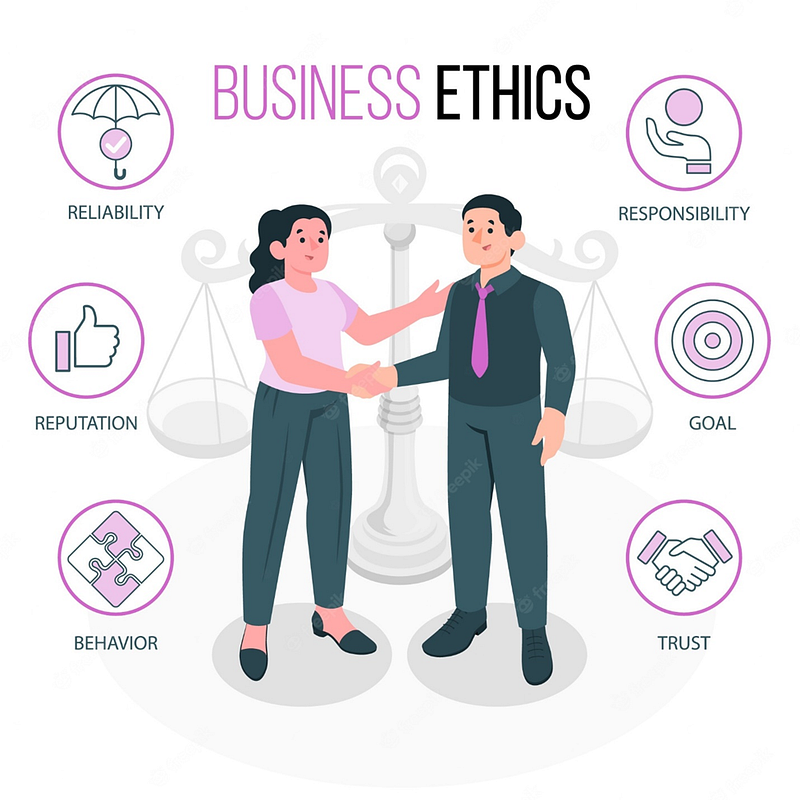
Image Source: FreeImages
The concept of corporate sustainability has become an important topic of discussion in the corporate world, as companies increasingly strive to become more socially responsible and environmentally conscious. In this blog, we will discuss the importance of sustainable and ethical corporate practices and the various principles, initiatives, and strategies that companies can adopt to achieve them.
Introduction to Sustainable and Ethical Corporate Practices
Sustainable and ethical corporate practices are business practices that are designed to be environmentally friendly, socially responsible, and economically beneficial. These practices include reducing the environmental impact of operations, ensuring ethical business practices, and taking into account the social, environmental, and economic implications of business decisions.
The concept of corporate sustainability is becoming increasingly important as companies look to reduce their environmental impact, increase their social responsibility, and remain profitable. Companies are increasingly recognizing the need to adopt sustainable and ethical practices to remain competitive and remain successful in the long term.
Benefits of Sustainable and Ethical Corporate Practices
The benefits of sustainable and ethical corporate practices are numerous. These practices can help to reduce the environmental impact of operations, ensure ethical business practices, and take into account the social, environmental, and economic implications of business decisions.
The adoption of sustainable and ethical practices can help to improve a company’s reputation and create a positive public image. This can lead to increased customer loyalty and sales, as well as increased efficiency and cost savings. Additionally, sustainable and ethical practices can help to attract and retain employees, as well as improve employee engagement and morale.
Sustainable and ethical practices can also help to foster trust and goodwill with stakeholders, suppliers, and customers, leading to improved relationships and increased collaboration. Finally, these practices can help to reduce risk and increase long-term profitability, as companies become better prepared to face future challenges.
Principles of Sustainability and Ethics
The principles of sustainability and ethics are the foundation of sustainable and ethical corporate practices. These principles are based on the idea that companies should strive to protect the environment, promote social justice, and create economic value.
The principles of sustainability and ethics include the following:
- Respect for the environment: Companies should strive to reduce their environmental impact and ensure that their operations are conducted in an environmentally responsible manner.
- Respect for human rights: Companies should ensure that they are not directly or indirectly involved in any activity that violates human rights.
- Respect for the community: Companies should ensure that their operations have a positive impact on the local community and are conducted in a socially responsible manner.
- Respect for the law: Companies should ensure that their operations are conducted by all applicable laws and regulations.
- Respect for diversity: Companies should strive to create an inclusive and diverse workplace that is free from discrimination and harassment.
- Respect for ethical behavior: Companies should strive to act ethically and responsibly at alltimes.
Corporate Social Responsibility
Corporate social responsibility (CSR) is an important part of sustainable and ethical corporate practices. CSR refers to a company’s commitment to taking responsibility for the social and environmental impacts of its operations. This includes reducing the environmental impact of operations, engaging in ethical business practices, and taking into account the social, environmental, and economic implications of business decisions.
Companies can demonstrate their commitment to CSR by implementing a variety of initiatives and strategies, such as investing in sustainable projects, engaging in local community activities, and taking steps to reduce their environmental footprint. Additionally, companies should ensure that their operations are conducted ethically and that they are compliant with all applicable laws and regulations.
Green Business Operations and Green Marketing Strategy
Green business operations and green marketing strategies are important components of sustainable and ethical corporate practices. Green business operations refer to the practices and processes that are designed to reduce the environmental impacts of operations, while green marketing strategies refer to the strategies used to promote and sell products and services in an environmentally friendly manner.
Companies can reduce their environmental impact by implementing various green business operations, such as using renewable energy sources, reducing waste and emissions, and conserving natural resources. Additionally, companies can engage in green marketing strategies, such as using sustainable packaging and materials, promoting energy-efficient products, and creating campaigns that highlight their commitment to sustainability.
Environmental Management Systems and Corporate Governance
Environmental management systems and corporate governance are important components of sustainable and ethical corporate practices. Environmental management systems refer to the processes and procedures that companies use to manage their environmental impact, while corporate governance refers to the principles and practices that companies use to ensure responsible management of their operations.
Companies should strive to implement environmental management systems that are designed to reduce their environmental impact, such as reducing waste and emissions, conserving natural resources, and using renewable energy sources. Additionally, companies should ensure that their operations are in line with corporate governance principles, such as accountability, transparency, and good corporate citizenship.
Sustainable Supply Chain Management
Sustainable supply chain management is an important component of sustainable and ethical corporate practices. Sustainable supply chain management refers to the processes and procedures that companies use to ensure that their supply chains are environmentally friendly and socially responsible.
Companies should strive to implement sustainable supply chain management processes, such as reducing emissions and waste, using renewable energy sources, and engaging in ethical business practices. Additionally, companies should ensure that their suppliers are compliant with all applicable laws and regulations and that they are taking appropriate steps to reduce their environmental impact.
Ethical Decision-Making in Business Operations
Ethical decision-making in business operations is an important component of sustainable and ethical corporate practices. Ethical decision-making in business operations refers to the processes and procedures that companies use to ensure that their decisions are made ethically.
Companies should strive to ensure that their decisions are based on ethical principles, such as respect for the environment, respect for human rights, respect for the community, and respect for the law. Additionally, companies should ensure that their decisions are in line with their corporate values and mission statement.
Sustainable Investments, Ethical Consumerism, and Other Sustainability Initiatives
Sustainable investments, ethical consumerism, and other sustainability initiatives are important components of sustainable and ethical corporate practices. Sustainable investments refer to investments that are designed to have a positive environmental and social impact. Ethical consumerism refers to the practice of making purchasing decisions based on ethical principles.
Sustainable investments can help to reduce the environmental impact of operations and create economic value. Additionally, companies should strive to create products and services that are in line with ethical consumerism. Finally, companies should engage in other sustainability initiatives, such as reducing waste and emissions, using renewable energy sources, and engaging in corporate social responsibility.
Conclusion
In conclusion, sustainable and ethical corporate practices are becoming increasingly important as companies strive to become more socially responsible and environmentally conscious. Companies should strive to adopt sustainable and ethical practices to remain competitive and remain successful in the long term. The adoption of sustainable and ethical corporate practices can help to reduce the environmental impact of operations, ensure ethical business practices, and take into account the social, environmental, and economic implications of business decisions. Additionally, these practices can help to improve a company’s reputation, create a positive public image, attract and retain employees, foster trust and goodwill with stakeholders, reduce risk, and increase long-term profitability.
By adopting sustainable and ethical corporate practices, companies can ensure that they are doing their part to create a better future. Companies should strive to implement sustainable and ethical practices to remain competitive and successful in the long term. By doing so, they can help to create a better future for all.
Sources:
- Fuller, T., & Tilley, F. (2005, March). Corporate ethical futures: responsibility for the shadow on the future of today’s ethical corporations. Futures, 37(2–3), 183–197. https://doi.org/10.1016/j.futures.2004.03.030
- Saha, R. (2016). Corporate Social Responsibility Practices: Pathways for Inclusive and Sustainable Future. Training & Development Journal, 7(2), 77. https://doi.org/10.5958/2231-069x.2016.00011.1
- Wang, C. J. (2014, August 5). Do ethical and sustainable practices matter? International Journal of Contemporary Hospitality Management, 26(6), 930–947. https://doi.org/10.1108/ijchm-01-2013-0001


