Accidental Mutation Saves Human Being?
Humans used to co-exist with other similar species.
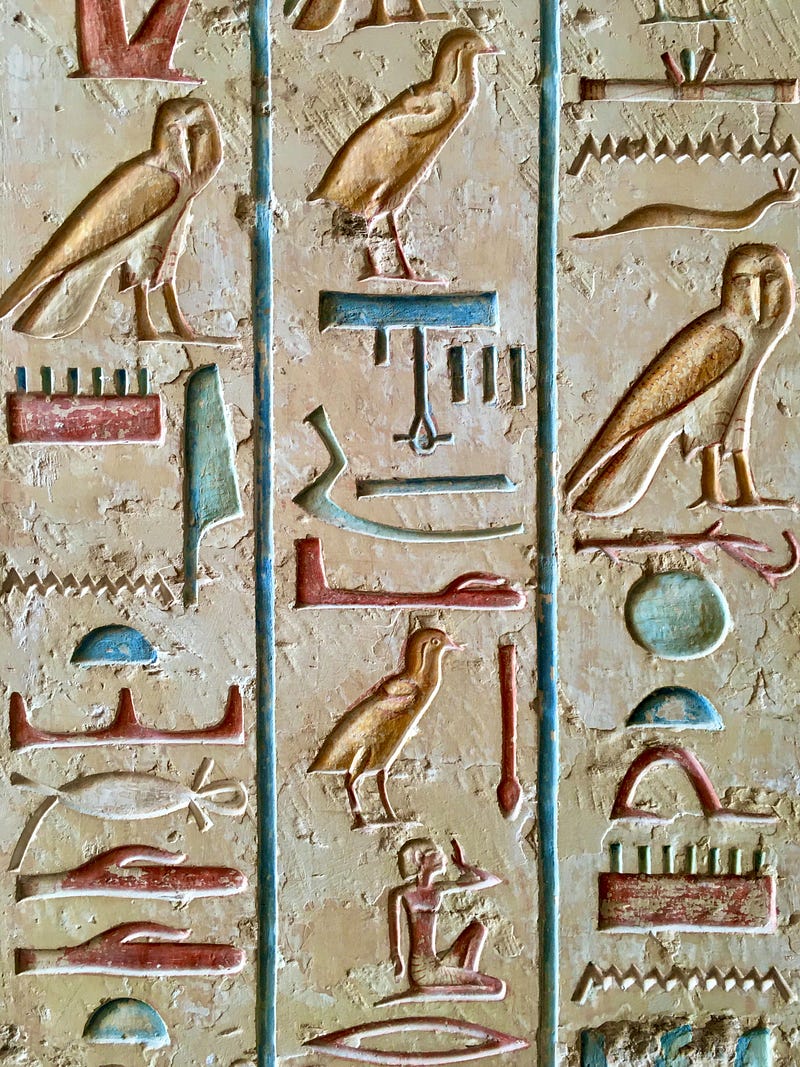
One important fact, the human genetic nowadays points to a species called Homo Sapiens, only less than 10% of the genetic points to another species under the same Genus, Homo Neanderthals, or Homo Erectus, etc.
Thousand years ago, humans coexist with another similar species like Homo Neanderthals or Homo Erectus, but how come, today more than 90% of human genetic points to a species called Homo Sapiens? It means that the other species has extinct. Why?
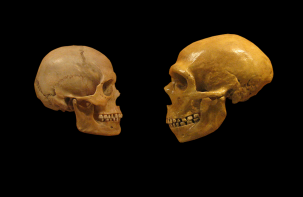
A lot of people believe that the key to our successful species is intelligence. But is that really the case? The size of the brain is somehow correlated to intelligence, and it turns out Neanderthals actually has a bigger brain, which means that they are possibly smarter than Sapiens. But why do Sapiens dominate?
In the old days, our ancestors’ communication ability was very limited. However, at some points, Sapiens started to be able to tell complicated stories. The most possible explanation of this phenomenon is believed to be an accidental mutation. Somehow at some points, a mutation happens that allows Sapiens to communicate so well that they persist until today. They call it a cognitive revolution.
The role of the cognitive revolution is simple, it allows people to communicate between groups. In ancient times, people tend to only interact with small circles of people, their small families. But with this revolution, they have the ability to create nonexistent abstract things that will later bind many people together.
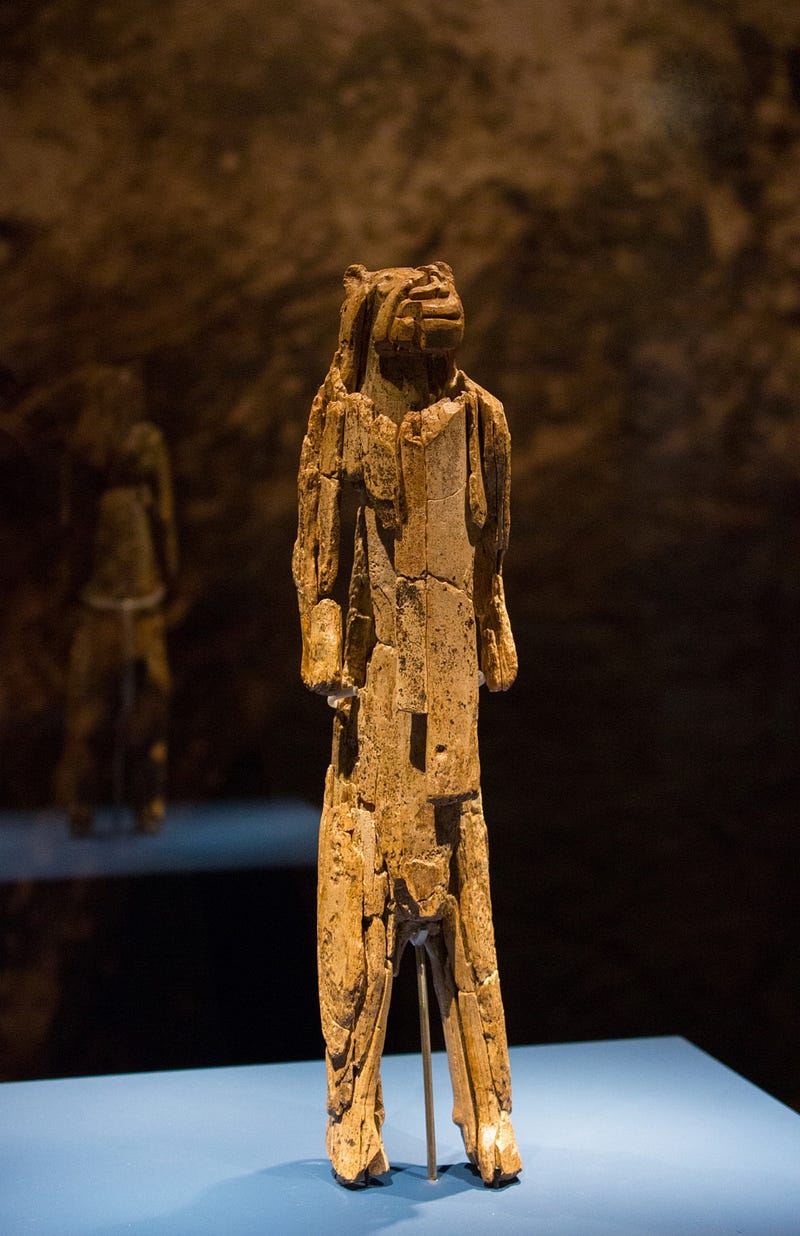
It started simple, before the mutation, we speak like animals, only able to communicate something like “Danger! Danger!”. The revolution allows us to expand our communication into something like “Be careful, there is a lion near the river, the lion is sleeping since yesterday.” Furthermore, the mutation allows people to imagine nonexistent beings, just like the 40.000 years old lion man sculpture found in a Germany Cave.
The revolution allows Sapiens to create a belief that binds people together. Religions, for instance, bind thousands of strangers to do something together. Sapiens did not only create beliefs, they created imagined reality. Go find a monkey, ask for its banana in exchange for money. No monkey or other species would ever agree to exchange food for a piece of inedible paper. But Homo Sapiens will, because our species has created a very complex imagined reality, like money, and for some reason, our entire species seems to fully believe in it.
This binding creates cooperation, by this mutation, Homo Sapiens has the ability to cooperate widely through the beliefs and imagined realities, whereas our cousin species although might be smarter, lack that ability. It is easy to say that one versus one hundred, the one hundred will definitely win. This is the key to successful world domination.
So, what do you think?
Credits: The way of thinking in this article is more or less based on the book “Sapiens: A Brief History of Humankind” by Yuval Noah Harari.


