
About Being Misunderstood
The Importance of Understanding That Everyone is Fighting Their Own Hidden Battles
In a world that is very quick to judge and slow to understand, the narrative of being misunderstood isn’t unique, but the depth of its impact varies greatly from person to person. My journey, perhaps like many others, has been one punctuated by moments of acute misunderstanding, not just in the fleeting interactions of daily life but in the foundational experiences that shaped me.

The Early Years: A Silent Battle
Growing up felt like being in a silent film — drama everywhere but without a sound. My teenage years were a maze of betrayals, mocking laughs, and friendships gone wrong. Each felt like a punch to my already shaky self-esteem. Friends who disappeared, romances that turned sour, and hurtful labels weren’t just typical growing pains; they were hits to a facade already on the verge of collapse. To the outside world, I might have seemed quiet, but inside, there was a storm of confusion and pain, worsened by a home life that offered little comfort or understanding.
The bullies back then could spot my weaknesses a mile away, yet they were blind to the scars I carried. My awkwardness and missteps were their entertainment, but they couldn’t see the real battle I was fighting — a battle against invisible forces that left me with wounds no one else could see. I felt isolated, like I was in a glass cage, visible yet completely alone, my real struggles hidden behind a reflective barrier.
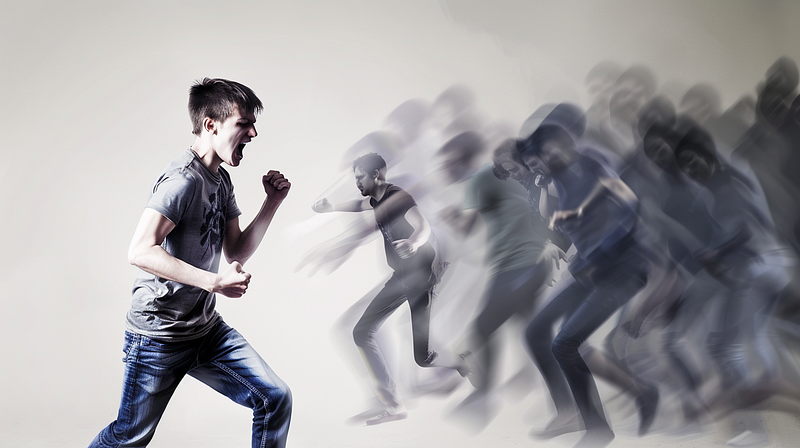
The real challenge wasn’t just the bullying from others but the turmoil inside me, something I couldn’t even put into words. Growing up in a home filled with neglect and suffering abuse from an older sibling, I lacked the language and understanding to share what I was going through. This silence only widened the gap between how others saw me and what was really going on inside. My odd behaviors were just the tip of the iceberg, signs of a much deeper and complex fight within.
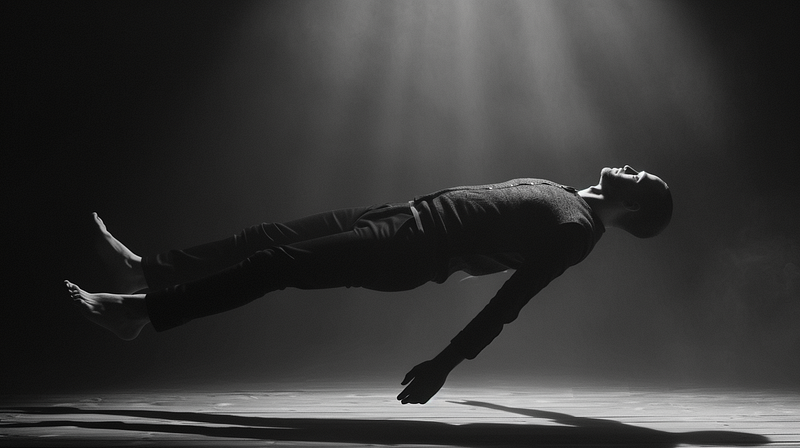
Looking back, the silence was the toughest part. Without the means to express my pain or navigate my feelings, I was left to battle shadows — enemies that were invisible, leaving wounds buried deep inside. Those silent years were the foundation for a journey toward understanding, both from myself and others. They taught me a crucial lesson: being seen is not just about being visible; it’s about the depth of understanding that comes from truly being listened to.
Adulthood and Its Challenges
Stepping into adulthood, the misunderstandings from my past took on new shapes, popping up in places where being vulnerable is often ignored or even looked down on. My time in the military and later in my career felt like just new arenas for my ongoing internal struggles. Instead of understanding or concern, my moments of anxiety or pulling back were quickly branded as unprofessional. My fight with substance abuse, which was really just a flawed way to try to cope with the constant storm of CPTSD, was dismissed as a simple lack of self-control. These weren’t just moments where I failed to connect; they highlighted a wider issue of not seeing the deep trauma behind certain actions.

The symptoms of Complex Post-Traumatic Stress Disorder (CPTSD) that I dealt with every day — like sudden emotional ups and downs, being overly alert, and feeling incredibly isolated — were invisible to those around me. To my colleagues and bosses, my struggles just seemed like I wasn’t up to the job or had personal shortcomings. They missed the constant vigilance I lived with, always on guard against threats that were gone but still felt so real to me. This lack of understanding in my adult life just made me feel more alone, turning my work life into another place where I felt misunderstood and invisible.
Despite these hurdles, my adult life has been a slow journey towards understanding myself better and healing, bit by bit. The difficulties I faced in the military and afterward really drove home how much we all need empathy and understanding, no matter where we are in life. They’ve shown me that signs of trauma aren’t always obvious and that the actions we’re quickest to judge are often the loudest calls for help. Through dealing with CPTSD, I’ve learned to be patient with myself and others, and I’ve seen how empathy can reveal the hidden struggles that shape our lives.
The Message I Wish to Convey
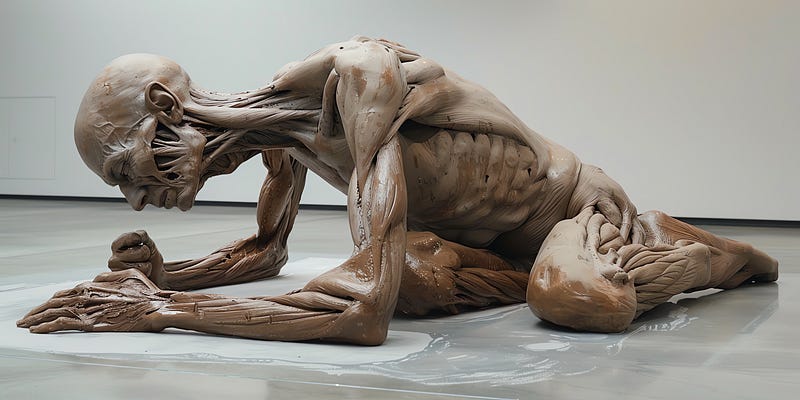
If I could have a moment with those who’ve misunderstood me through the years, I’d want them to see beyond the surface. Every perceived oddity or weakness was rooted in a battle with trauma, affecting every facet of my life. Living with undiagnosed CPTSD is a reality that many might not recognize, where symptoms can mimic or worsen behaviors that are easy to ridicule.
But more than seeking understanding, I’d emphasize the importance of empathy. The lesson I’ve learned, and hope to share, is that looking beyond the surface can reveal the hidden battles each of us fights. Kindness and understanding can, and do, make a profound difference.
Empathy and Understanding
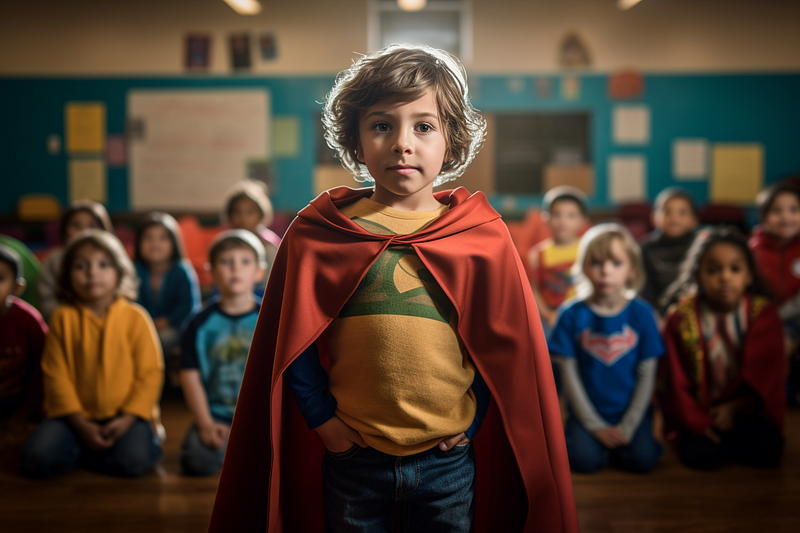
Empathy holds profound power in transforming our interactions into meaningful connections. It’s the bridge that allows us to cross into someone else’s world, to see through their eyes, and feel with their heart. Yet, this bridge is seldom easy to construct, especially when faced with behaviors or experiences far removed from our own. The challenge, then, is not just to listen but to listen with intent to understand, to set aside our judgments and preconceptions, and to truly engage with the stories unfolding before us.
Understanding follows empathy, it’s an acknowledgment that while we may not fully grasp every nuance of someone’s experience, we recognize the complexity of their journey. This understanding is crucial in reframing our perceptions, allowing us to see beyond the surface-level oddities or behaviors that might initially draw our judgment. It’s about peeling back the layers, recognizing the hidden battles that shape these outward expressions, and appreciating the strength it takes to navigate them.
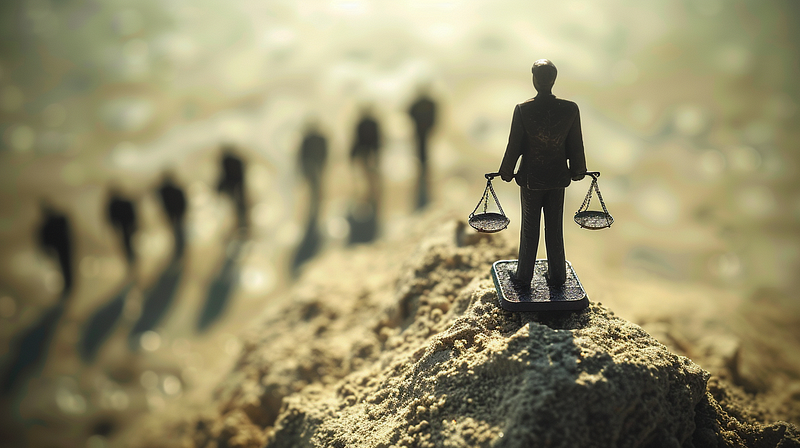
A call for empathy and understanding is a call to action for each of us. It urges us to pause, reflect, and choose kindness in our interactions. To remember that behind every face is a story, often untold, that deserves our patience and our respect. This isn’t just about making space for others but about enriching our own lives with a deeper sense of connection and humanity.
Thank you for making it to the end of this article. I truly appreciate the time you’ve spent reading my work, and also hope you enjoyed the imagery along with it, as they were all hand-crafted by me via Midjourney. It’s been a pleasure researching and writing it for you. Your support is incredibly valuable to me. If you liked what you read, consider showing your appreciation with a clap, leaving a comment, or perhaps even following for more content like this. Your engagement really makes a difference!


