
Abandon Your TBR List and Do This If You Want To Be a More Productive Reader
The unique productivity hack you’ve never heard of that will help you read 10x more books

I see a lot of advice on how to read more books. But as someone who has read over 1500 books in my life, I have never seen anyone recommend this unique productivity hack that I’m about to share with you.
It all starts with your TBR — that’s your ‘To Be Read’ list. And if you don’t have a TBR then I’m guessing you have lots of notes either physical or digital of books that you want to read. These notes are essentially scattered TBR lists.
There are two problems with your TBR. I know this because there were once two problems with my TBR.
Problem one: We add books to our TBR without really knowing whether we truly want to read them. Example: A friend recommends a book to you, it sounds good but hasn’t completely grabbed you. You add it to your TBR anyway but forget about it quickly. Each time you go back to your TBR you see it again but can’t really remember why you added it. A year later it’s still on your list. This leads to —
Problem two: You have a growing list of books you will NEVER read.
Essentially, it’s just another list you won’t get through. As if you need the pressure.
The bottom line is, your TBR becomes your WBR — that’s Won’t Be Read, for the uninitiated.
Sure, you may read some of the books on your TBR, but how long does it take you each time to go through your list and find a book you want to read. It’s more time lost when there is a better solution.
Now, there may be some of you saying that you do read all the books you put on your TBR. But I’d still argue that this system I’m going to share with you is a much more productive way of scheduling the books you want to read.
The Solution
Last year I read 15 Secrets Only Successful People Know About Time Management, it has absolutely nothing to do with reading but it had an awesome productivity hack that worked so well for the rest of my life that I thought I’d apply it to my TBR too.
This is the hack in two parts:
- Stop writing lists. Lists are always being added to and are never completed. You waste time constantly referring back to lists and they only serve to remind you of all the things you have yet to do. Or all the books you have yet to read or will never read.
- Instead, add the task, in this case, the book, straight to your calendar.
During this process, you not only identify what books you do genuinely want to read but you also eliminate the long lists of books you will never read. This is how it works in practice.
This Is How It Works In Practice
Scenario 1
Your friend: “I just finished this totally awesome book about otters. Did you know they hold hands while they're sleeping? Isn’t that cute? You just have to read it. You’ll love it! It’s called The Secret Life of Otters.” (Side note: This is not a real book but otters do hold hands while they’re sleeping.)
You: “Umm, okay, it could be interesting.” You pull out your phone and instead of adding it to your TBR, you open your calendar. You select a day and time where you can spare 5 or 10 minutes to research the book further as you’re not totally convinced it’s your cup of tea.
Two days later. . .
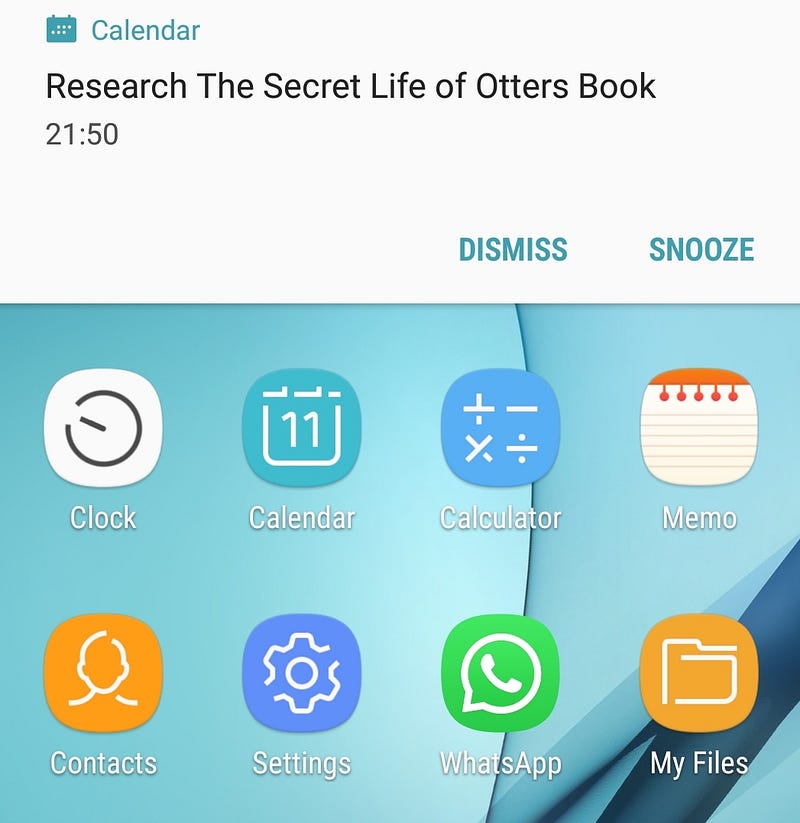
Your calendar alarm beeps reminding you to research The Secret Life of Otters. You check some reviews online and read a synopsis of the book. You decide it is not the type of book you want to invest time in reading. End of story. It does not continue to sit on your TBR list, never to be read.
Scenario 2
You’re reading Books Are Our Superpower and Elizabeth Dawber (that’s me) recommends a book called We Have Always Lived in the Castle. She describes it as a mystery/psychological horror which sounds interesting and you’re intrigued by the unusual quote from the book too. You open up the calendar on your phone and create a 10-minute slot on Sunday to research the book some more.
Sunday comes around, your calendar reminder beeps, and you delve into some of the online reviews for the book. You’re even more intrigued and decide to go ahead and order the book.
To make sure you actually read the book and it doesn’t end up on your bookshelf gathering dust once it’s arrived, you open your calendar again and schedule a time to read it. But first, you need to work out two things:
- How long the book is. I normally just check the audio book-length in the Audible App as I tend to listen to audiobooks more now that I’m a digital nomad. Even if you’re not listening to the audiobook, the timing is a good indicator as to have much time you need to block out in your calendar anyway. Alternatively, you can check the page length online and work out how long it will take you to read if you know your reading speed per page.
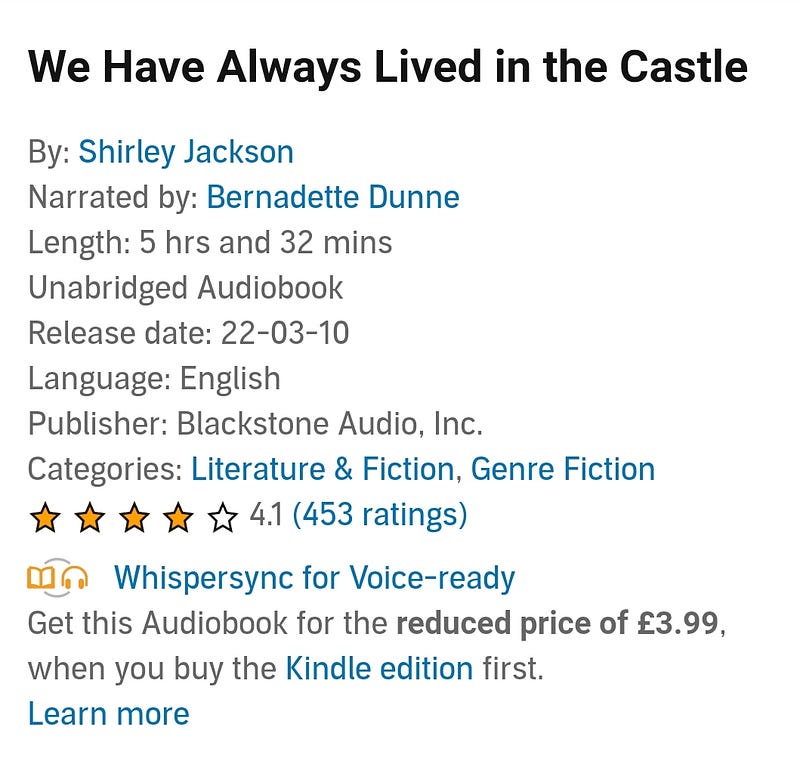
2. Now decide when do you have time to read the book? On your commute, during your lunch break, or before bed? Schedule time slots straight into your calendar to remind you to read. As We Have Always Lived in the Castle is 5 hours and 32 minutes long, I’ve scheduled 30 minutes from 8–8.30 AM and from 5–5.30 PM Monday — Friday, plus an additional 32 minutes on a Saturday at noon.
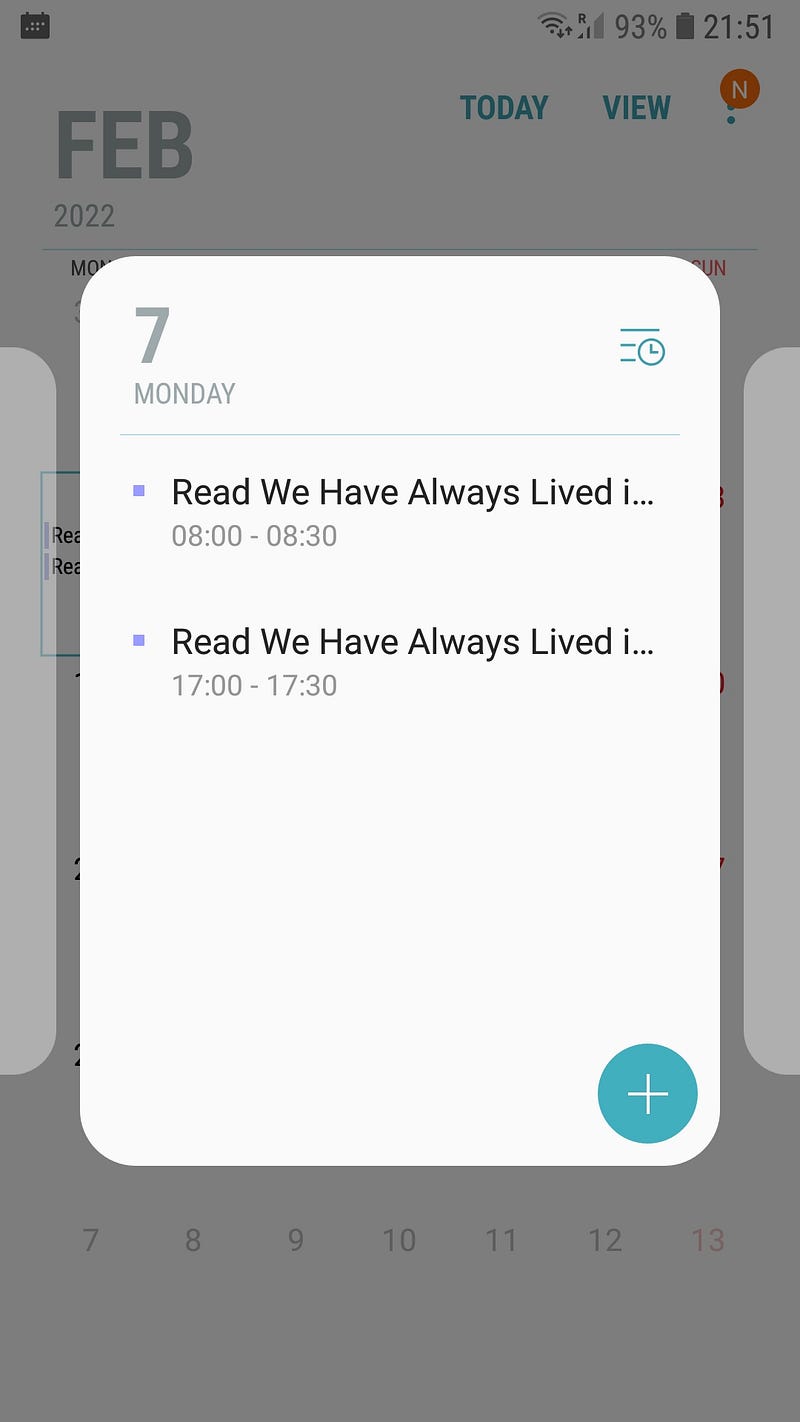
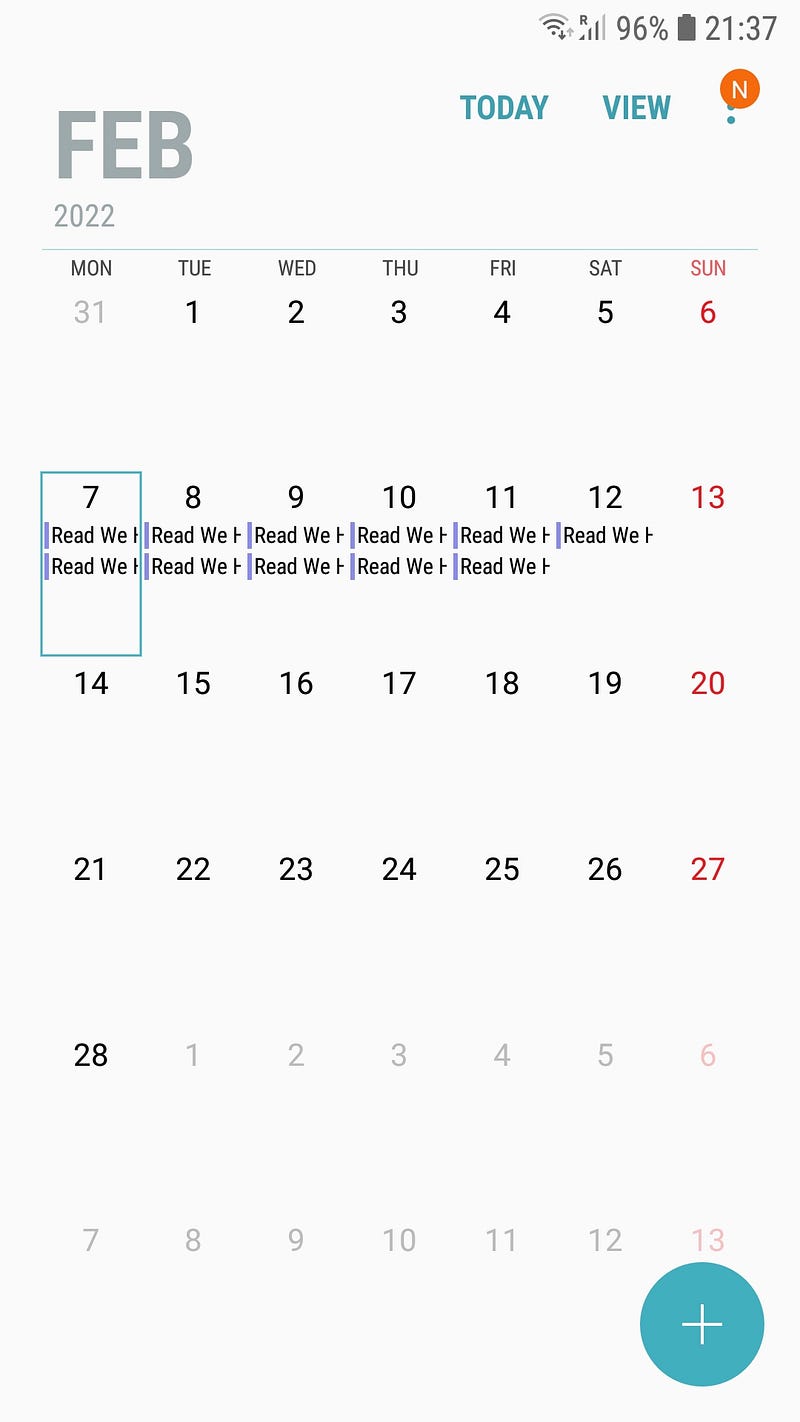
You can continue adding books this way and scheduling them one after the other. Even if you’re scheduling them weeks or months later that’s fine. You can always adjust the dates and times if you need to but the fact that you’ve scheduled them gives you a much higher chance that you’ll actually read them. And if you’ve completed step one properly — the research — then you’ll have eliminated your TBR and a long list of books you’ll likely never read.
Conclusion
This complete system for researching and scheduling books to be read helps you by:
- Eliminating books that you will never read.
- Removing the need for a TBR list.
- Making you a more productive reader because you are not spending time going back over lists of books that you’ve looked at many times before.
- Eliminating the stress of just having another to-do list that you’ll never finish.
- Increasing the likelihood you’ll read more books as you’ve carved out time in your schedule to do so.
- Gives you a dopamine boost (that’s the happy hormone) every time you see how organized your reading habits are and what exciting book you have on your calendar to read next.
I’ve been using this technique for about a year now, and I wish I had discovered it sooner as it saves me so much time and energy. What do you think of this reading strategy? Let me know in the comments.
Looking for your next read? I think you’ll love these books: